


 Asian Stocks Fall as Bond Yields Surge Ahead of Trump-Xi Summit
  U.S. 10-Year Treasury Yield Hits 2007 High as Fed Rate Hike Bets Rise
  US Stock Futures Fall as Treasury Yields Surge Ahead of Trump-Xi Summit
  South Korea, US Discuss Warship Building Cooperation
  US 10-Year Treasury Yield at 6% Emerges as New Market Risk Threshold
  Mexico-US Trade Talks Delayed to October as Tariff Negotiations Continue
  Fed Unveils Stablecoin Rules Under GENIUS Act
  European Stocks Fall as Bond Yields and Geopolitical Risks Weigh
  Wall Street Falls as Treasury Yields Surge, Oil Rebounds on Iran Tensions
  Russian Envoy Dmitriev Heads to US for Ukraine Talks
  Japan Private-Sector Growth Slows as Domestic Demand Weakens
  Oil Prices Jump 3% as Houthi Attack Revives Supply Fears
  European Stocks Slip as Iran Tensions Offset Strong Eurozone Data
  US Dollar Hits Two-Month High as Fed Rate Hike Bets Rise
  Soybean Futures Slip as Traders Await Trump-Xi Trade Signals
  RBI Uses $10 Billion Currency Swaps to Drain Excess Rupee Liquidity
  U.S. Dollar Hits Two-Month High as Oil, Treasury Yields Surge


 Add as a preferred source on Google
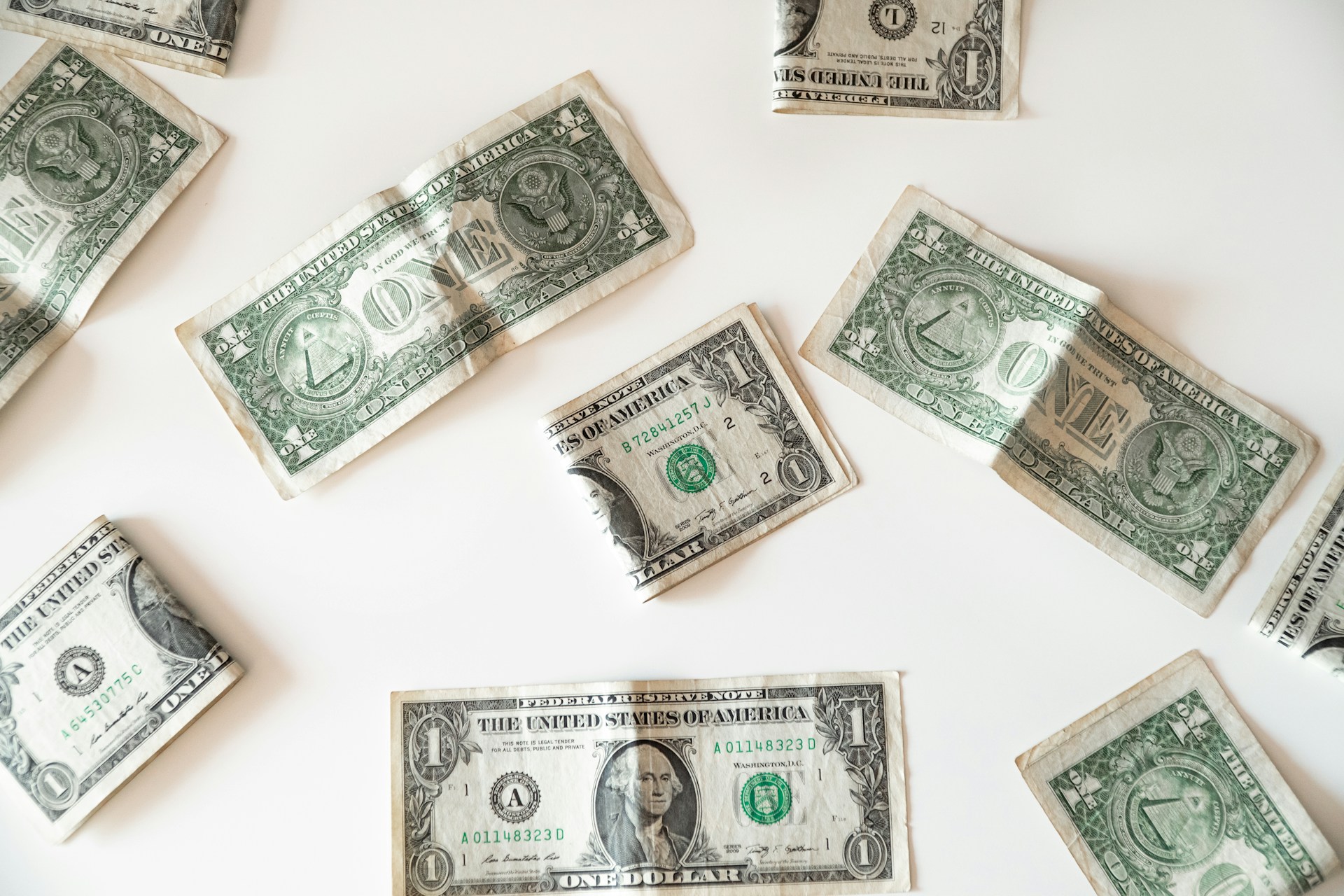
The U.S. dollar edged lower on Tuesday, extending its losing streak to a fourth consecutive session as investor sentiment improved on growing expectations of a peace agreement between the United States and Iran. Market participants are also closely watching key central bank decisions from the Federal Reserve, Bank of Japan (BoJ), and Reserve Bank of Australia (RBA), which are shaping global forex market trends.
The U.S. Dollar Index (DXY), which measures the greenback against a basket of major currencies, slipped 0.1% to 99.56. The decline came as reports indicated that Washington and Tehran are expected to sign a memorandum of understanding (MoU) in Switzerland on Friday, raising hopes for a de-escalation of tensions in the Middle East. President Donald Trump stated that the Strait of Hormuz would fully reopen following the agreement, potentially easing disruptions to global energy supplies.
Despite optimism surrounding the deal, uncertainty remains over the exact terms, particularly regarding Iran’s nuclear commitments. Conflicting reports have emerged, while speculation about a proposed $300 billion investment fund tied to Iran has been dismissed by Trump.
The prospect of improved regional stability pushed oil prices below $80 per barrel for the first time since March. Lower crude prices have eased inflation concerns that had previously fueled expectations of additional interest rate hikes from major central banks.
Attention now turns to Wednesday’s Federal Reserve policy announcement. While the Fed is widely expected to keep interest rates unchanged, investors will closely monitor economic projections and comments from Fed Chair Kevin Warsh for clues on future monetary policy.
In Asia, the Bank of Japan raised its benchmark interest rate by 25 basis points to 1.0%, marking its highest level in more than three decades as policymakers continue efforts to normalize monetary policy and address inflation. Analysts suggest that declining oil prices could support a stronger yen and potentially drive USD/JPY lower in the coming months.
Meanwhile, the Australian dollar weakened after the Reserve Bank of Australia paused its recent tightening cycle, leaving rates unchanged at 4.35%. The British pound remained largely stable ahead of the Bank of England’s policy meeting, where officials are expected to maintain current rates amid weak economic growth and ongoing fiscal pressures.
Currency traders are expected to remain focused on geopolitical developments, oil price movements, and central bank guidance as these factors continue to influence global foreign exchange markets.







