


 Soybean Futures Slip as Traders Await Trump-Xi Trade Signals
  Mexico-US Trade Talks Delayed to October as Tariff Negotiations Continue
  China’s ‘Lipstick King’ Says AI Won’t Replace Livestream Hosts
  Wall Street Ends Flat as Oil, Treasury Yields and Fed Jitters Rattle Markets
  Japan Private-Sector Growth Slows as Domestic Demand Weakens
  U.S. 10-Year Treasury Yield Hits 2007 High as Fed Rate Hike Bets Rise
  US 10-Year Treasury Yield at 6% Emerges as New Market Risk Threshold
  Oil Prices Surge as U.S.-Iran Diplomacy Hopes Fade
  European Stocks Fall as Bond Yields and Geopolitical Risks Weigh
  Gold Drops Over 1% as Dollar, Treasury Yields Surge on Fed Rate Hike Bets
  Fed Unveils Stablecoin Rules Under GENIUS Act
  Trump, Xi Focus on Trade and AI at White House Summit
  Asian Stocks Fall as Bond Yields Surge Ahead of Trump-Xi Summit
  European Stocks Slip as Iran Tensions Offset Strong Eurozone Data
  US, China Extend Trade Truce to Jan. 10 Ahead of Trump-Xi Summit
  Dollar Hits Two-Month High as Fed Rate Hike Bets Rise


 Add as a preferred source on Google
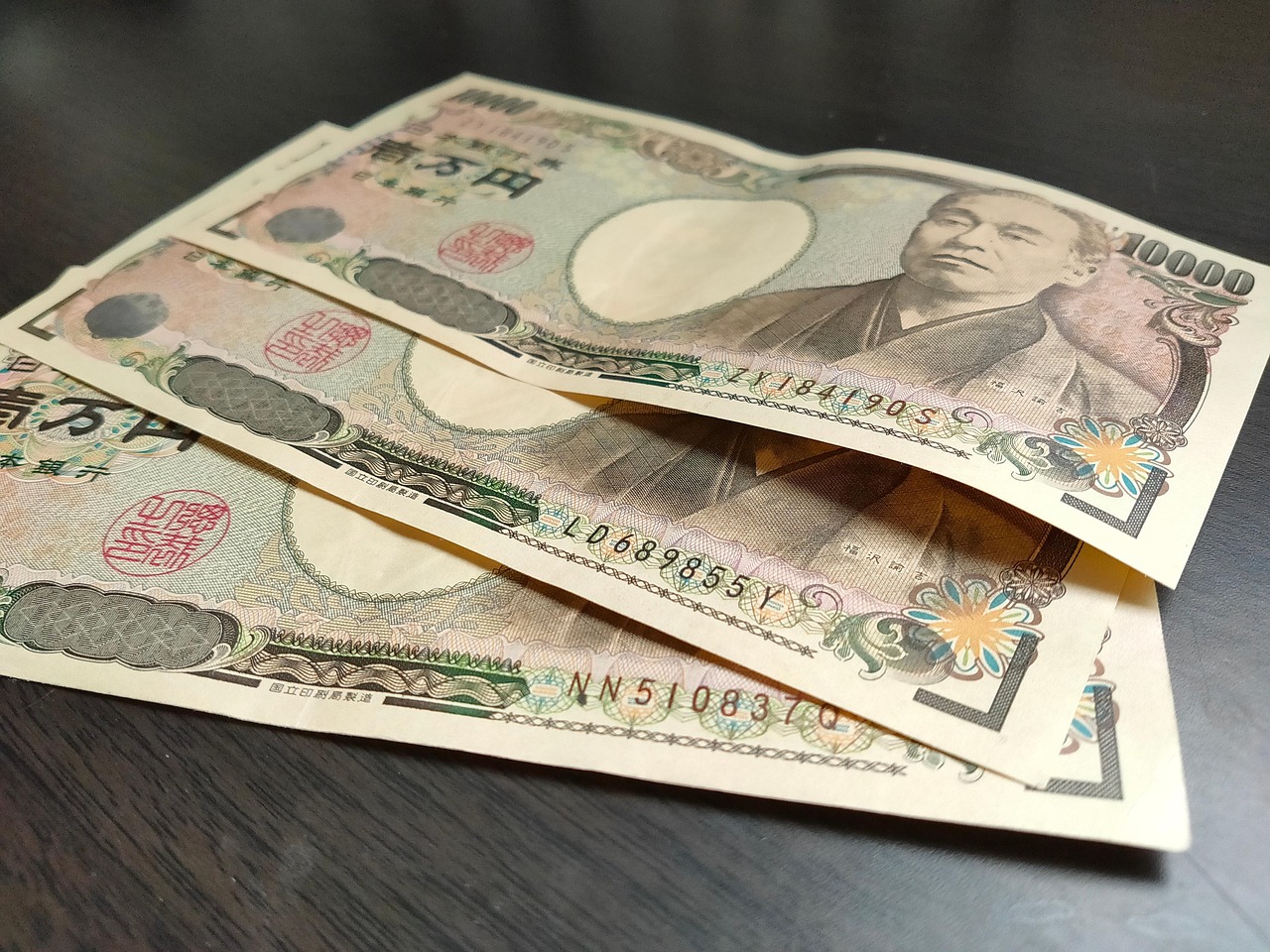
Asian currencies recovered modestly on Thursday after suffering steep losses in the previous session, while the U.S. dollar remained close to a two-month high following the Federal Reserve’s latest policy announcement.
The U.S. Dollar Index (DXY) rose 0.2% during Asian trading hours, extending gains after a sharp 0.6% jump on Wednesday that pushed the index to its strongest level since late March. The dollar’s strength came after the Federal Reserve kept interest rates unchanged but signaled that additional monetary tightening remains possible.
According to updated Fed projections, nine of the 19 policymakers expect at least one more interest rate hike in 2026. The hawkish outlook prompted traders to increase bets on future rate increases, with CME FedWatch data indicating an 83% probability of a rate hike by December. Higher Treasury yields also provided support for the greenback.
Among major Asian currencies, the Japanese yen remained under pressure. The USD/JPY pair slipped 0.1% but stayed near multi-year highs after surging to 160.80 on Wednesday, a level that exceeded the threshold that previously triggered intervention by Japanese authorities. Market analysts believe officials could tolerate further weakness in the yen before stepping into the market again.
The South Korean won showed signs of recovery, with the USD/KRW pair falling 0.4% after a strong dollar-driven rally in the previous session. Meanwhile, the Australian dollar rebounded, with AUD/USD gaining 0.3% after a sharp decline on Wednesday.
China’s yuan remained largely stable, while the Singapore dollar and Indian rupee traded with limited movement against the U.S. dollar.
Asian foreign exchange markets also found support from declining oil prices and improving investor sentiment after the United States and Iran signed an interim peace agreement. The deal extends a ceasefire and establishes a framework for broader negotiations, reducing concerns about potential disruptions to Middle East oil supplies.
Lower crude oil prices helped ease inflation concerns across major energy-importing Asian economies. However, analysts expect the U.S. dollar to remain well supported in the near term as investors anticipate the Federal Reserve will maintain a restrictive monetary policy stance for longer, keeping pressure on regional currencies despite Thursday’s stabilization.







