


 Asian Stocks Fall as Surging Bond Yields Rattle Markets
  Japan Private-Sector Growth Slows as Domestic Demand Weakens
  Wall Street Ends Flat as Oil, Treasury Yields and Fed Jitters Rattle Markets
  US Stock Futures Fall as Treasury Yields Surge Ahead of Trump-Xi Summit
  Fed Unveils Stablecoin Rules Under GENIUS Act
  European Stocks Fall as Bond Yields and Geopolitical Risks Weigh
  Oil Prices Surge as U.S.-Iran Diplomacy Hopes Fade
  Gold Holds Near $4,275 as Rising Treasury Yields Fuel Fed Rate Hike Bets
  U.S. Dollar Hits Two-Month High as Oil, Treasury Yields Surge
  South Korea, US Discuss Warship Building Cooperation
  China’s ‘Lipstick King’ Says AI Won’t Replace Livestream Hosts
  Dollar Holds Near Two-Month High as Yen Approaches 160
  Russian Envoy Dmitriev Heads to US for Ukraine Talks
  Gold Prices Fall as Treasury Yields Rise on Fed Rate Hike Bets
  U.S. 10-Year Treasury Yield Hits 2007 High as Fed Rate Hike Bets Rise
  US, China Extend Trade Truce to Jan. 10 Ahead of Trump-Xi Summit
  Trump, Xi Focus on Trade and AI at White House Summit


 Add as a preferred source on Google
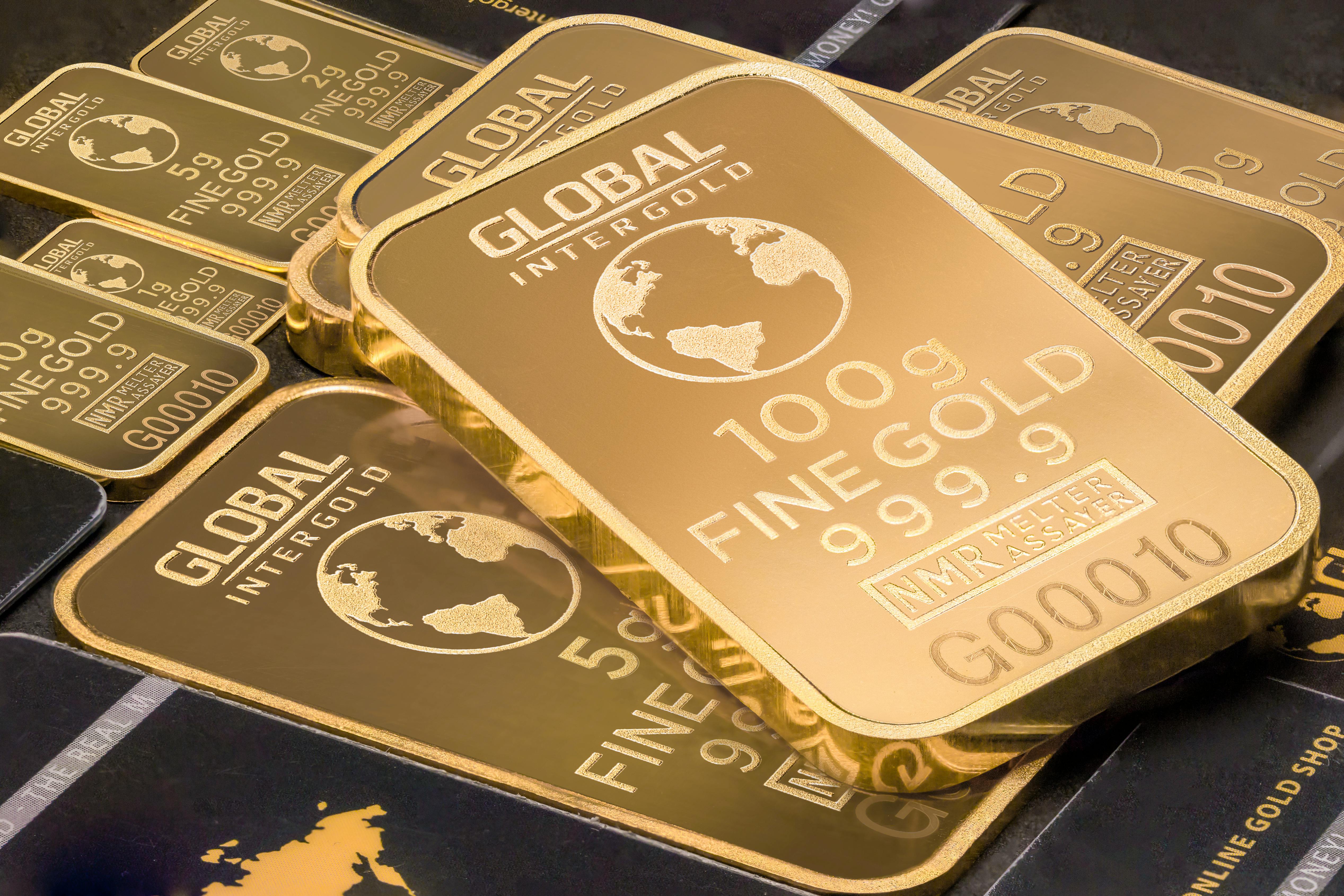
Gold prices remained relatively stable during Asian trading on Monday, as ongoing geopolitical tensions in the Middle East and uncertainty surrounding global interest rates continued to influence market sentiment. Despite its traditional role as a safe-haven asset, gold has struggled to gain momentum, recording losses over the past two months due to rising inflation concerns linked to the escalating U.S.-Iran conflict.
Spot gold hovered around $4,612.98 per ounce, while gold futures slipped 0.4% to $4,624.14 per ounce. Investors remain cautious as the potential economic fallout from the conflict, particularly its impact on energy prices and inflation, offsets the usual demand for gold during times of uncertainty.
Meanwhile, other precious metals showed modest gains. Silver prices increased by 0.4% to $75.6945 per ounce, and platinum climbed 0.9% to $2,010.0 per ounce, reflecting selective investor interest in the broader metals market.
Geopolitical developments continue to shape price movements. U.S. President Donald Trump recently announced a new initiative aimed at supporting commercial shipping through the Strait of Hormuz, a critical global oil route. While details remain unclear, the move is expected to involve increased U.S. military presence in the region. Iranian officials have warned that such actions could violate the fragile ceasefire, raising concerns about further escalation.
The uncertainty surrounding the Strait of Hormuz has kept oil prices elevated, contributing to inflation fears across global markets. This scenario complicates the outlook for gold, as higher inflation typically prompts central banks to consider tightening monetary policy.
Minneapolis Federal Reserve President Neel Kashkari indicated that prolonged conflict could increase inflation risks and limit the Federal Reserve’s ability to provide clear guidance on interest rates. He did not rule out potential rate hikes, a stance echoed by other global central banks, including the European Central Bank, Bank of England, and Bank of Japan. The Reserve Bank of Australia is also expected to raise rates soon.
Higher interest rates generally weaken gold’s appeal since it does not yield interest, making it less attractive compared to other income-generating assets. As a result, gold prices may continue to face pressure despite ongoing geopolitical uncertainty.







