


 Oil Prices Ease as Iran Tensions Clash With Diplomacy Hopes
  Mexico-US Trade Talks Delayed to October as Tariff Negotiations Continue
  U.S. Dollar Hits Two-Month High as Oil, Treasury Yields Surge
  US Stock Futures Fall as Treasury Yields Surge Ahead of Trump-Xi Summit
  Fed Unveils Stablecoin Rules Under GENIUS Act
  Asian Stocks Fall as Surging Bond Yields Rattle Markets
  Australia Unemployment Hits Five-Year High Despite Strong Jobs Growth
  Wall Street Ends Flat as Oil, Treasury Yields and Fed Jitters Rattle Markets
  Dollar Holds Near Two-Month High as Yen Approaches 160
  Asian Stocks Fall as Bond Yields Surge Ahead of Trump-Xi Summit
  Wall Street Falls as Treasury Yields Surge, Oil Rebounds on Iran Tensions
  Asian Currencies Mixed as Dollar Holds Near Two-Month High
  Soybean Futures Slip as Traders Await Trump-Xi Trade Signals
  US 10-Year Treasury Yield at 6% Emerges as New Market Risk Threshold
  Gold Prices Fall as Treasury Yields Rise on Fed Rate Hike Bets
  RBI Uses $10 Billion Currency Swaps to Drain Excess Rupee Liquidity
  US, China Extend Trade Truce to Jan. 10 Ahead of Trump-Xi Summit


 Add as a preferred source on Google
Asian stock markets opened the week on a positive note, led by a strong surge in South Korean equities and renewed momentum in Hong Kong’s technology sector. Investor sentiment across the region improved as markets reacted to last week’s gains on Wall Street, although trading activity remained relatively muted due to public holidays in Japan and mainland China.
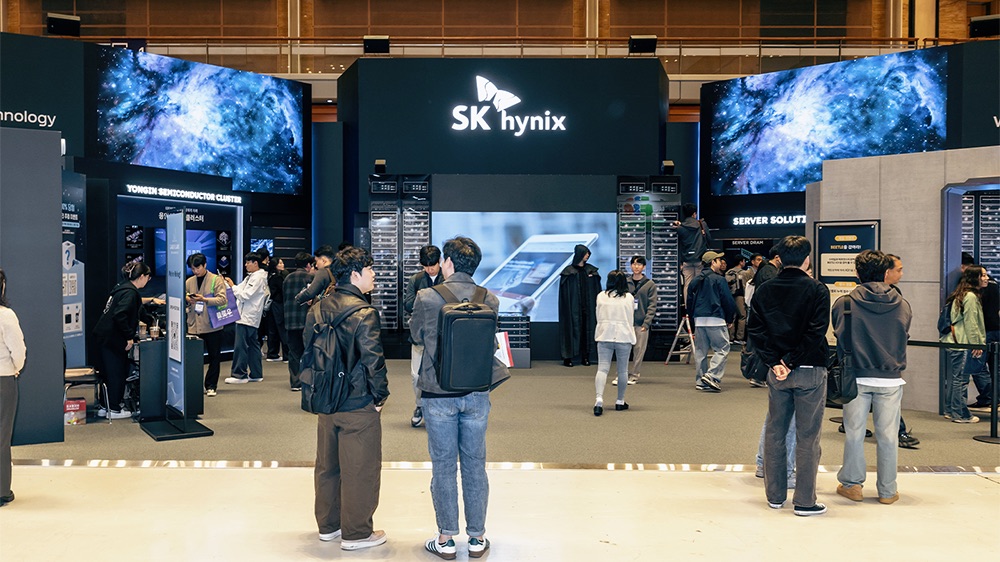
South Korea’s KOSPI index emerged as the top performer, jumping around 3.5% to reach an all-time high. The rally was largely driven by robust gains in major semiconductor companies, particularly Samsung Electronics and SK Hynix. SK Hynix recorded an impressive surge of nearly 7%, while Samsung rose close to 3%. Both companies recently reported strong first-quarter earnings, fueled by continued demand and supply constraints in the global memory chip market. As key suppliers to artificial intelligence leaders like Nvidia, these chipmakers are well-positioned to benefit from the ongoing AI boom, which continues to support pricing power and revenue growth.
Hong Kong’s Hang Seng Index also advanced by approximately 1.7%, supported by a rebound in technology stocks. Major players such as Baidu, Semiconductor Manufacturing International Corporation (SMIC), and Xiaomi posted gains exceeding 4%. Baidu recovered from prior losses, while SMIC continued to benefit from optimism surrounding China’s AI-driven growth potential. Xiaomi’s stock gained momentum after the company reported selling more than 30,000 electric vehicles in April, signaling a strong recovery in its EV segment.
Other regional markets followed the positive trend. Singapore’s Straits Times Index edged higher, and India’s Nifty 50 futures showed modest gains. However, Australia’s ASX 200 underperformed, slipping slightly amid expectations that the Reserve Bank of Australia may implement another interest rate hike to combat persistent inflation. Rising energy prices linked to geopolitical tensions, including the Iran conflict, have further reinforced a cautious outlook among investors.
Meanwhile, S&P 500 futures remained relatively stable in Asian trading, as global markets await key economic indicators, including U.S. nonfarm payrolls data and corporate earnings reports. Investors also continue to monitor geopolitical risks, particularly developments involving the U.S. and Iran, which could impact market stability and energy prices in the near term.







