


 Japan Private-Sector Growth Slows as Domestic Demand Weakens
  Netanyahu Defends Israel at UN as Delegates Stage Walkout
  RBI Uses $10 Billion Currency Swaps to Drain Excess Rupee Liquidity
  Mexico-US Trade Talks Delayed to October as Tariff Negotiations Continue
  Sudan Rejects US Legitimacy Remarks, Defends Sovereignty
  US 10-Year Treasury Yield at 6% Emerges as New Market Risk Threshold
  South Korea, US Discuss Warship Building Cooperation
  Gold Drops Over 1% as Dollar, Treasury Yields Surge on Fed Rate Hike Bets
  Russian Missile and Drone Attack on Kyiv Kills Two, Damages Maternity Hospital
  Fed Unveils Stablecoin Rules Under GENIUS Act
  Gaza Faces Evacuation Crisis as War-Damaged Buildings Risk Collapse
  Australia Unemployment Hits Five-Year High Despite Strong Jobs Growth
  France Defends Netanyahu Airspace Clearance Despite ICC Warrant
  Russian Envoy Dmitriev Heads to US for Ukraine Talks
  Wall Street Ends Flat as Oil, Treasury Yields and Fed Jitters Rattle Markets
  Yemen Violence Displaces 130,000 as Civilian Toll Rises
  Oil Prices Jump 3% as Houthi Attack Revives Supply Fears


 Add as a preferred source on Google
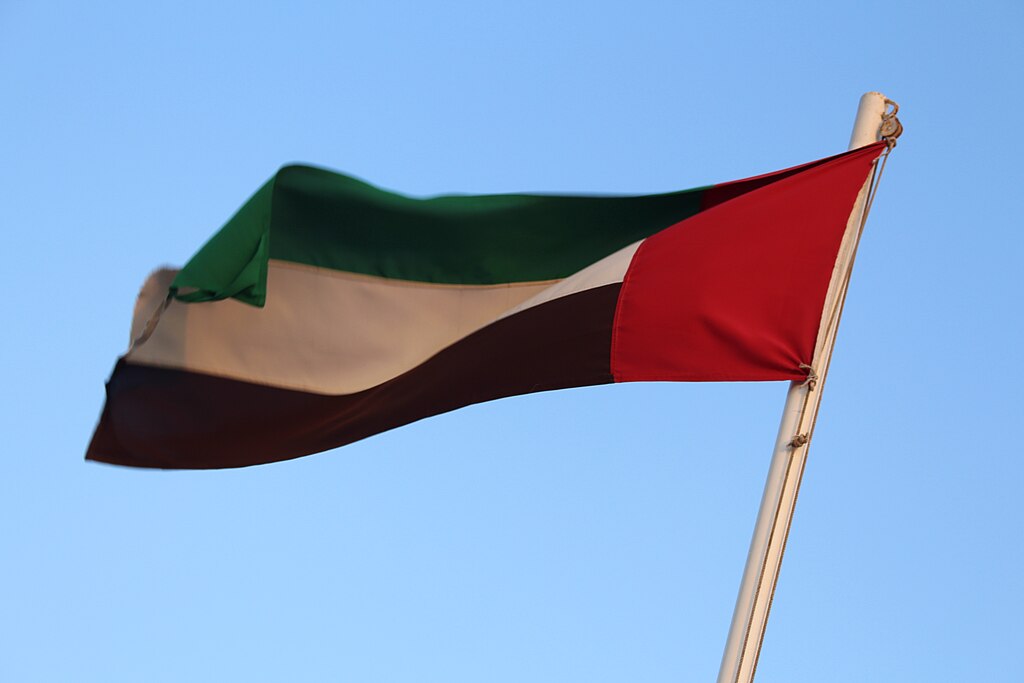
The United Arab Emirates (UAE) has officially exited the Organization of Arab Petroleum Exporting Countries (OAPEC), marking a major shift in its approach to global energy policy. The move was confirmed in a statement released by the organization on Sunday and comes shortly after the UAE announced its withdrawal from OPEC and OPEC+ on April 28. The country is now focusing on expanding its own oil production capacity and pursuing a more independent energy strategy.
OAPEC, established in 1968, was created to promote cooperation among Arab oil-exporting nations. Unlike OPEC, it does not set production targets or influence output levels. The UAE’s departure reflects its growing preference for autonomy rather than participation in collective oil frameworks, especially as it aims to strengthen its position in the global energy market.
Supporting this strategy, Abu Dhabi National Oil Company (ADNOC) recently revealed plans to award 200 billion dirhams (around $55 billion) in projects between 2026 and 2028. These investments are part of ADNOC’s broader five-year capital expenditure plan, which is designed to boost production, improve infrastructure, and meet increasing global demand for energy. The initiative will also support large-scale project development across ADNOC’s operations, reinforcing the UAE’s long-term growth objectives.
At the same time, geopolitical tensions are impacting oil markets worldwide. The ongoing conflict involving Iran has intensified divisions among Gulf nations and resulted in the closure of the Strait of Hormuz, a key route for oil exports. This disruption has reduced the region’s ability to respond to supply shocks and has contributed to increased market volatility.
Brent crude oil prices are currently hovering around $107.77, reflecting uncertainty driven by supply concerns and geopolitical risks. As the UAE distances itself from traditional alliances like OAPEC and OPEC+, its independent strategy could significantly influence global oil supply and pricing trends in the coming years.







