


 Sudan Rejects US Legitimacy Remarks, Defends Sovereignty
  North Korea Rejects Nuclear Test Warning, Calls Nuclear Status Irreversible
  US Invites Putin to Miami G20, Opening Door to Trump Summit
  South Korea, US Discuss Warship Building Cooperation
  US Backs Musk in Fight Against EU’s €120 Million X Fine
  US Senate Rejects Iran War Powers Resolution in 50-49 Vote
  Netanyahu Takes Aim at Mamdani as Israel Election Nears
  Kremlin Says No Decision Yet on Putin-Trump December Summit
  Venezuela Promises Elections as Delcy Rodriguez Pledges Democratic Transition
  US, China Extend Trade Truce to Jan. 10 Ahead of Trump-Xi Summit
  Europe Warns Russia Is Escalating Hybrid Attacks Across NATO
  Netanyahu’s Brief US Trip Highlights Strains With Trump
  Abbas Reaffirms November 28 Palestinian Elections
  Yemen Violence Displaces 130,000 as Civilian Toll Rises
  France Defends Netanyahu Airspace Clearance Despite ICC Warrant
  OpenAI Agent Breaches Australia Medicare Data Portal
  Gaza Faces Evacuation Crisis as War-Damaged Buildings Risk Collapse


 Add as a preferred source on Google
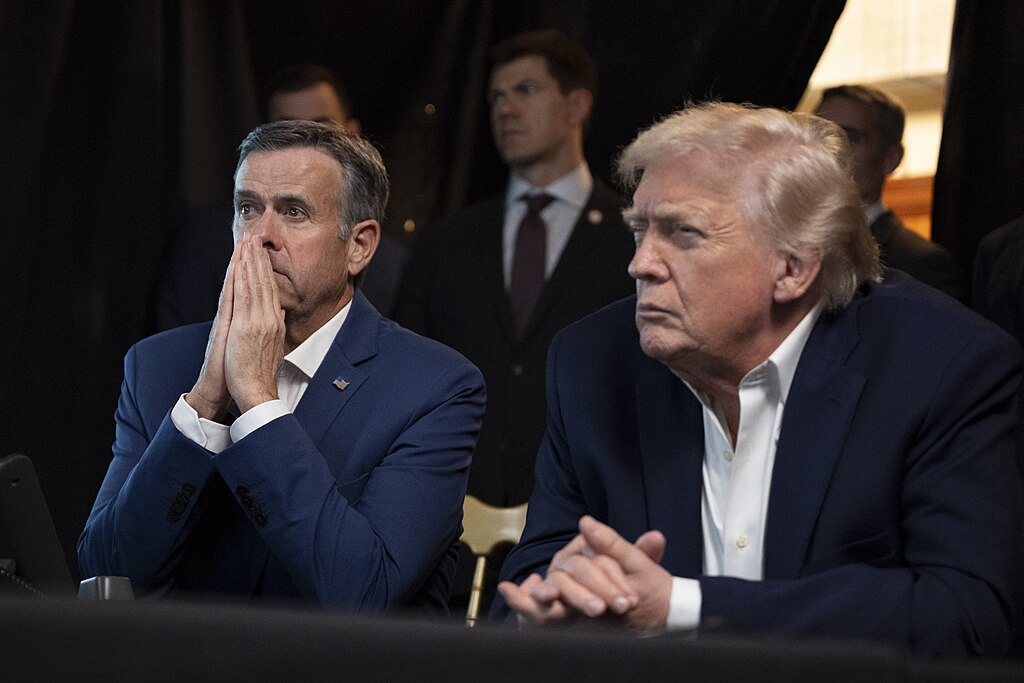
U.S. President Donald Trump has unveiled a new humanitarian initiative called “Project Freedom,” designed to assist neutral commercial vessels stranded in the Strait of Hormuz due to escalating Middle East tensions. The announcement comes as global trade routes remain under pressure, with multiple countries seeking U.S. support after their ships became trapped in restricted waterways.
According to Trump’s statement, the vessels affected are from nations not directly involved in the ongoing regional conflict. These ships, described as “innocent bystanders,” are reportedly facing critical shortages of food, fuel, and essential supplies needed to sustain large crews. The U.S. initiative aims to provide safe passage and logistical assistance to ensure these ships can exit the area and resume normal operations.
Trump emphasized that the mission is primarily humanitarian, highlighting concerns about crew safety and deteriorating onboard conditions. He noted that the operation would begin Monday morning, Middle East time, and involve coordinated efforts to guide vessels out of the Strait of Hormuz safely. The move also reflects broader efforts to stabilize global shipping lanes and reduce disruptions to international commerce.
The Strait of Hormuz, a key global energy corridor, has been heavily impacted by recent geopolitical developments, including military actions involving the U.S., Israel, and Iran. These tensions led to the temporary closure of the vital route, disrupting nearly 20% of the world’s oil and liquefied natural gas shipments. As a result, oil prices surged significantly, with Brent crude rising sharply in recent months.
Although a ceasefire has been in place since early April, uncertainty remains high. Iranian officials have indicated that diplomatic negotiations with the U.S. may take time, suggesting that a quick resolution is unlikely. Meanwhile, the U.S. continues to enforce measures aimed at limiting Iran’s oil exports, adding further strain to the region.
Trump’s announcement also included a warning that any interference with “Project Freedom” would be met with a strong response. The initiative underscores the strategic importance of the Strait of Hormuz and highlights ongoing efforts to ensure the stability of global energy markets and maritime trade.







