


 Oil Prices Jump 3% as Houthi Attack Revives Supply Fears
  Dollar Holds Near Two-Month High as Yen Approaches 160
  Mexico-US Trade Talks Delayed to October as Tariff Negotiations Continue
  Fed Unveils Stablecoin Rules Under GENIUS Act
  European Stocks Fall as Bond Yields and Geopolitical Risks Weigh
  Asian Stocks Fall as Surging Bond Yields Rattle Markets
  Oil Prices Surge as U.S.-Iran Diplomacy Hopes Fade
  Gold Prices Fall as Treasury Yields Rise on Fed Rate Hike Bets
  Australia Unemployment Hits Five-Year High Despite Strong Jobs Growth
  US 10-Year Treasury Yield at 6% Emerges as New Market Risk Threshold
  Trump, Xi Focus on Trade and AI at White House Summit
  Asian Currencies Mixed as Dollar Holds Near Two-Month High
  US, China Extend Trade Truce to Jan. 10 Ahead of Trump-Xi Summit
  Fed Unveils Stablecoin Rules Under GENIUS Act
  Wall Street Ends Flat as Oil, Treasury Yields and Fed Jitters Rattle Markets
  Japanese Bank Stocks Surge as Bond Yields Fuel Rate Hike Bets
  Asian Stocks Fall as Bond Yields Surge Ahead of Trump-Xi Summit


 Add as a preferred source on Google
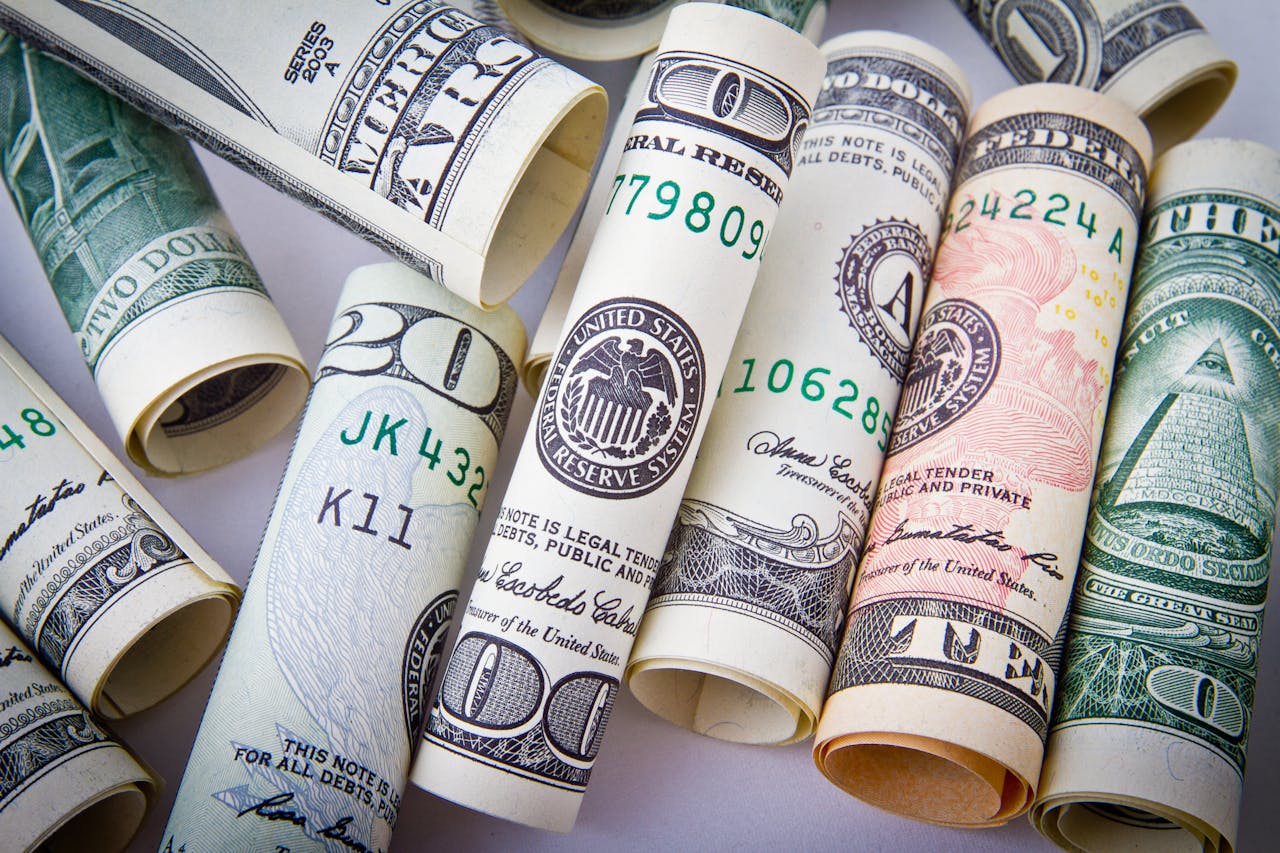
The U.S. dollar remained steady in Asian trading on Monday, while most Asian currencies moved within a narrow range as investors weighed geopolitical risks and uncertainty surrounding U.S. interest rates. Trading activity was relatively subdued due to public holidays in Japan and mainland China, limiting overall market momentum.
The Japanese yen strengthened further after reports of government intervention boosted the currency last week, particularly after the USD/JPY pair crossed the critical 160 level. Meanwhile, the Australian dollar hovered near a four-year high ahead of the Reserve Bank of Australia’s anticipated interest rate hike. Markets widely expect the RBA to raise rates by 25 basis points, marking its third increase this year as policymakers respond to renewed inflation pressures.
Global currency markets showed little reaction to U.S. President Donald Trump’s announcement of a potential operation to support shipping through the Strait of Hormuz, alongside ongoing indirect talks with Iran. However, the prolonged Iran conflict continues to influence investor sentiment, especially due to its potential impact on oil prices and inflation, which has provided underlying support for the dollar.
The U.S. Dollar Index remained stable above the 98 level. Minneapolis Federal Reserve President Neel Kashkari signaled a cautious outlook, highlighting that persistent geopolitical tensions could fuel inflation. He did not rule out further rate hikes and indicated that the Federal Reserve may delay rate cuts due to economic uncertainty. His stance reflects a more hawkish tone from the Fed, surprising some market participants.
Across Asia, currencies showed modest movements. The South Korean won and Singapore dollar edged slightly higher against the dollar, while the Indian rupee remained near record lows. The Chinese yuan also saw minor gains, and the yen continued to outperform.
Investors are now closely watching upcoming U.S. nonfarm payrolls data for further insight into the strength of the economy and future monetary policy direction.







