


 Oil Prices Fall on U.S.-Iran Hormuz Deal Hopes
  Wall Street Ends Flat as Oil, Treasury Yields and Fed Jitters Rattle Markets
  Dollar Holds Near Two-Month High as Yen Approaches 160
  European Stocks Fall as Bond Yields and Geopolitical Risks Weigh
  UK PM Burnham to Unveil Economic Vision at Labour Conference
  South Korea Tax Windfall Could Top 50 Trillion Won on Chip Boom
  Asian Stocks Fall as Surging Bond Yields Rattle Markets
  Fed Unveils Stablecoin Rules Under GENIUS Act
  Oil Prices Jump 3% as Houthi Attack Revives Supply Fears
  US Stock Futures Fall as Treasury Yields Surge Ahead of Trump-Xi Summit
  US Comfortable With Canada Trade Standoff as Import Bans Loom
  Japanese Bank Stocks Surge as Bond Yields Fuel Rate Hike Bets
  Europe’s AI Data Centre Boom Strengthens Case for Nuclear Power
  Trump to Ease U.S. Fuel-Economy Standards
  Fed Unveils Stablecoin Rules Under GENIUS Act
  Fed’s Hammack Says Bond Yield Surge Is Not Driven by Inflation Fears
  Dollar Falls as Oil Eases, Yen Jumps on Intervention Signals


 Add as a preferred source on Google
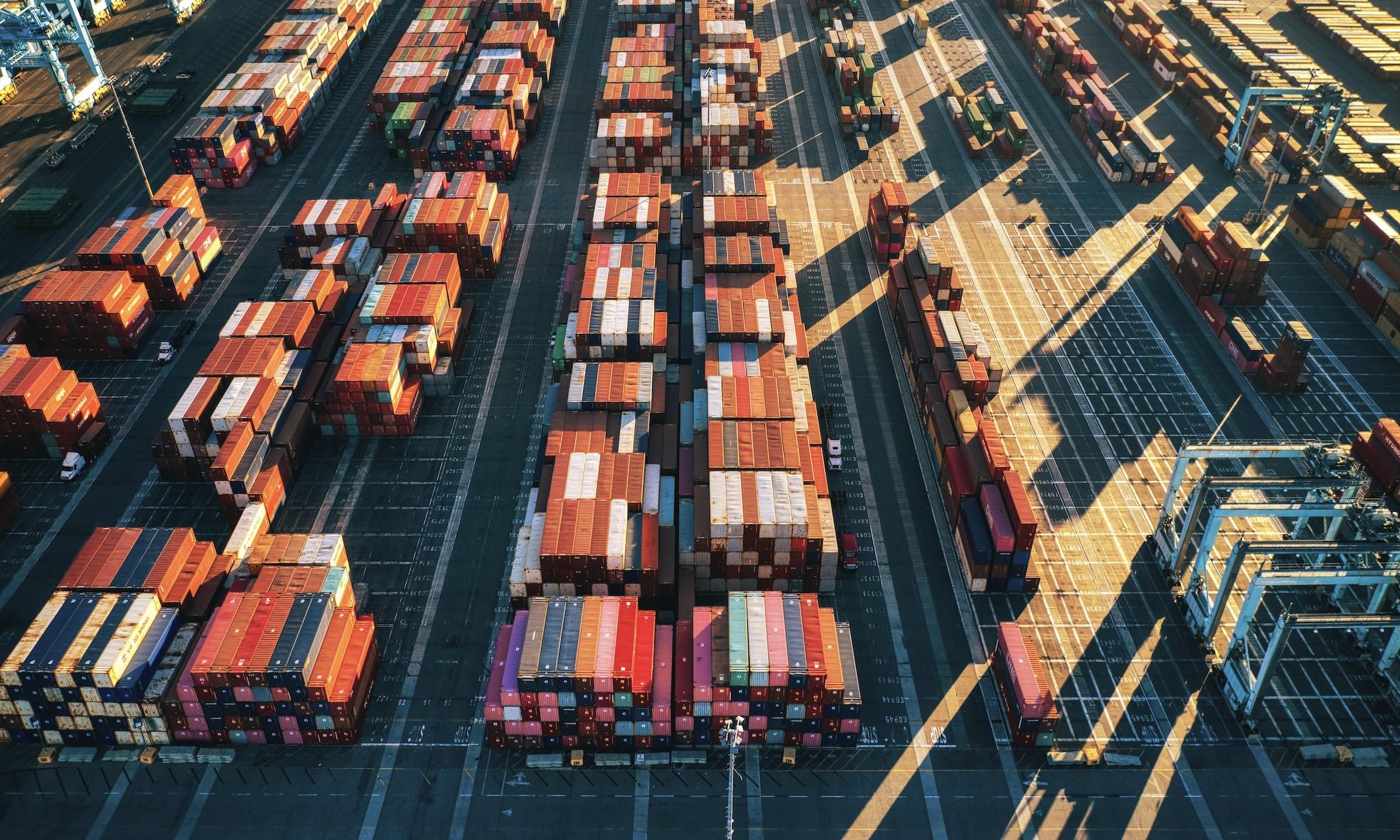
Trade and economy officials from the Group of Seven (G7) wealthy democracies have reaffirmed their commitment to collaborate in securing seamless supply chains for critical resources, such as energy and food, despite existing global uncertainties.
In a joint statement, the participating nations emphasized their dedication to maintaining a free and fair trading system that upholds the principles of the rule of law.
Strengthening economic resilience and security were also highlighted as integral elements of their shared mission, as per Japan Today.
Geo-Political Events Threatening Stable Supply
The Business Standard reported that during the two-day event held in Osaka, Foreign Minister Yoko Kamikawa, one of the co-hosts, pointed out recent events such as Russia's invasion of Ukraine and the Israel-Hamas war as potential threats to stable energy and food supplies.
These geo-political tensions underscored the importance of ensuring uninterrupted access to essential resources.
Collaborative Efforts of G7 and Invited Nations
The G7, consisting of the United States, Canada, France, Germany, Italy, Japan, and Britain, extended their invitation to several nations, including the European Union, Australia, Chile, India, Indonesia, and Kenya, for their participation in the two-day meeting. Economic organizations such as the World Trade Organization were also present to contribute to the discussions.
Developed nations are increasingly concerned about the stability of the supply chain for computer chips and crucial minerals, including lithium. With the rising demand for electric vehicles and green energy, securing these resources has become paramount to economic progress and sustainability.
Yasutoshi Nishimura, the Japanese minister in charge of trade and the economy, emphasized the potential power of guest nations like Australia and India in reinforcing the supply chain of critical materials. Collaborating with strong allies becomes crucial in ensuring the stability and availability of essential resources.
Trade Policy's Role in Addressing Global Challenges
Participants engaged in discussions on how trade policy can play a vital role in tackling climate change, enhancing food security, promoting digital trade, and working towards sustainable development. Recognizing the significance of trade in addressing global challenges ensures a comprehensive and collaborative approach.
While China's absence was notable, the discussions shed light on its significance as a focal point. China has imposed export restrictions on gallium and germanium, essential metals in computer chips and solar cells, in the name of national security. "Economic coercion" was indirectly referred to, highlighting concerns over China leveraging economic dependencies.
Photo: Venti Views/Unsplash







