


 White House Bars CNN, MS NOW and Politico Reporters
  US Federal Register Drops Alibaba Qwen AI Search Tool
  US-China Talks Target AI, Tariffs Ahead of Trump-Xi Summit
  Novo Nordisk Weighs Direct NYSE Listing to Boost U.S. Profile
  Trump Says U.S.-Iran Peace Deal Near After UN Talks
  Trump Board of Peace Unveils $2.45 Billion Gaza Recovery Plan
  UK Home Asking Prices Rise for First Time Since May
  Gold Prices Hold Steady Ahead of Trump-Xi Summit, Middle East Risks
  France Debt-to-GDP Ratio Seen Hitting Record 119.3% in 2026
  Apple Pay Set for India Launch With Axis Bank
  Asian Stocks Mixed Ahead of Trump-Xi Meeting
  Taiwan Vows to Advance US Arms Sales Ahead of Trump-Xi Meeting
  Gold Prices Rise as Oil Slump Eases Fed Rate Hike Fears
  Vietnam, US Trade Deal Could Be Signed Soon, To Lam Says
  Petrobras Joins Brazil Diesel Subsidy Program
  OpenAI Urges US-Led Global Standards for Frontier AI
  Trump Administration Prepares Sanctions Against Entire ICC


 Add as a preferred source on Google
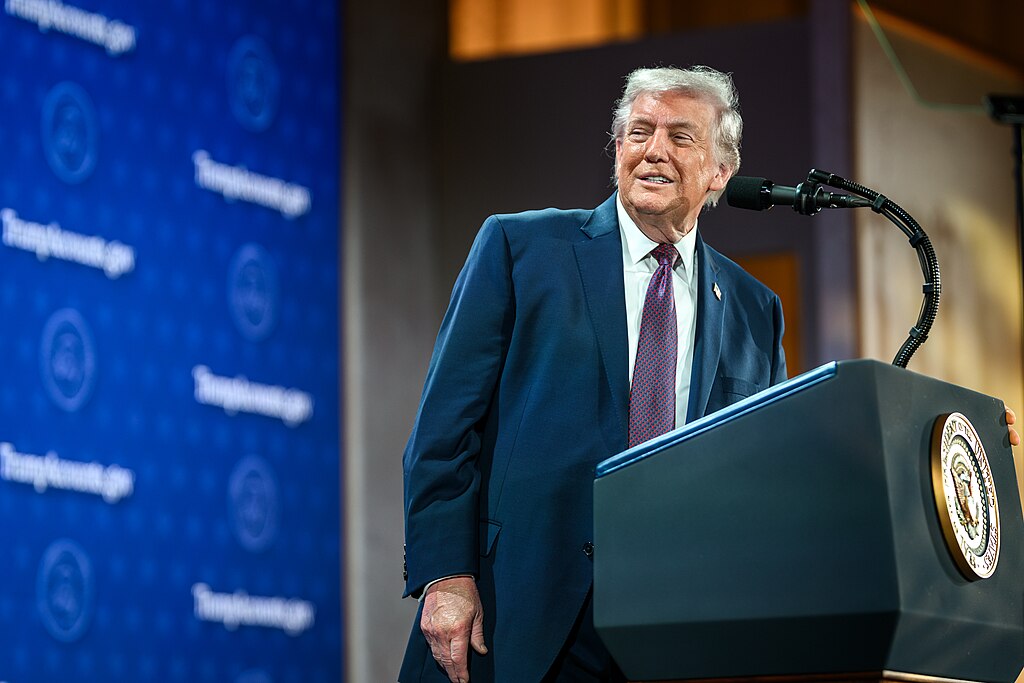
U.S. President Donald Trump on Monday called on gasoline retailers to immediately lower fuel prices, warning that companies could face serious consequences if they continue charging what he described as excessive prices at the pump.
In a post on Truth Social, Trump said gasoline retailers should reduce prices without delay and accused some businesses of engaging in illegal price gouging. He urged retailers to target gasoline prices of around $2.50 per gallon, signaling that his administration expects consumers to benefit from the recent decline in crude oil prices.
“Gasoline Retailers must get their Prices down, IMMEDIATELY,” Trump wrote. He added that there should be “no gouging,” calling the practice illegal, and warned that retailers refusing to lower prices would face “big problems” ahead.
Trump’s latest remarks follow comments made last week in which he said he had directed the U.S. Department of Justice to investigate oil companies over gasoline prices. The president argued that while crude oil costs have eased in recent weeks, many retailers have not passed those savings on to American drivers.
Fuel prices surged earlier this year after the United States and Israel launched military strikes on Iran in late February, triggering retaliatory attacks by Iran against Israel and Gulf countries hosting U.S. military bases. The conflict fueled concerns over global oil supplies, sending crude prices sharply higher and increasing gasoline costs across the United States.
Since then, diplomatic efforts between Washington and Tehran have helped ease tensions, contributing to lower oil prices and providing some relief for motorists at the gas pump. However, Trump maintains that gasoline retailers should reduce prices further to reflect changing market conditions.
High fuel costs remain a key issue for American consumers as the Trump administration and Republican lawmakers seek to defend their narrow congressional majorities ahead of the November midterm elections. Rising gasoline prices have remained a politically sensitive issue, with inflation and household expenses continuing to influence voter sentiment.
The broader Middle East conflict has also had significant humanitarian consequences. U.S.-Israeli strikes on Iran, along with Israeli military operations in Lebanon, have resulted in thousands of deaths and displaced millions of people. Although a ceasefire that took effect in April has been extended, both the United States and Iran have continued to accuse each other of violating the agreement, keeping geopolitical risks and energy market uncertainty in focus.







