


 Disaster or digital spectacle? The dangers of using floods to create social media content
  Why a ‘rip-off’ degree might be worth the money after all – research study
  Glastonbury is as popular than ever, but complaints about the lineup reveal its generational challenge
  The American mass exodus to Canada amid Trump 2.0 has yet to materialize
  The Beauty Beneath the Expressway: A Journey from Self to Service
  The ghost of Robodebt – Federal Court rules billions of dollars in welfare debts must be recalculated
  Every generation thinks they had it the toughest, but for Gen Z, they’re probably right
  Google promotes ‘teacher approved’ apps for kids. Here’s what parents should know
  What’s the difference between baking powder and baking soda? It’s subtle, but significant
  Yes, government influences wages – but not just in the way you might think
  Debate over H-1B visas shines spotlight on US tech worker shortages
  Why have so few atrocities ever been recognised as genocide?
  Britain has almost 1 million young people not in work or education – here’s what evidence shows can change that
  Want to cut your energy bills? Here’s how five experts are doing it
  Booked to travel through the Middle East? Here’s why you shouldn’t cancel your flight


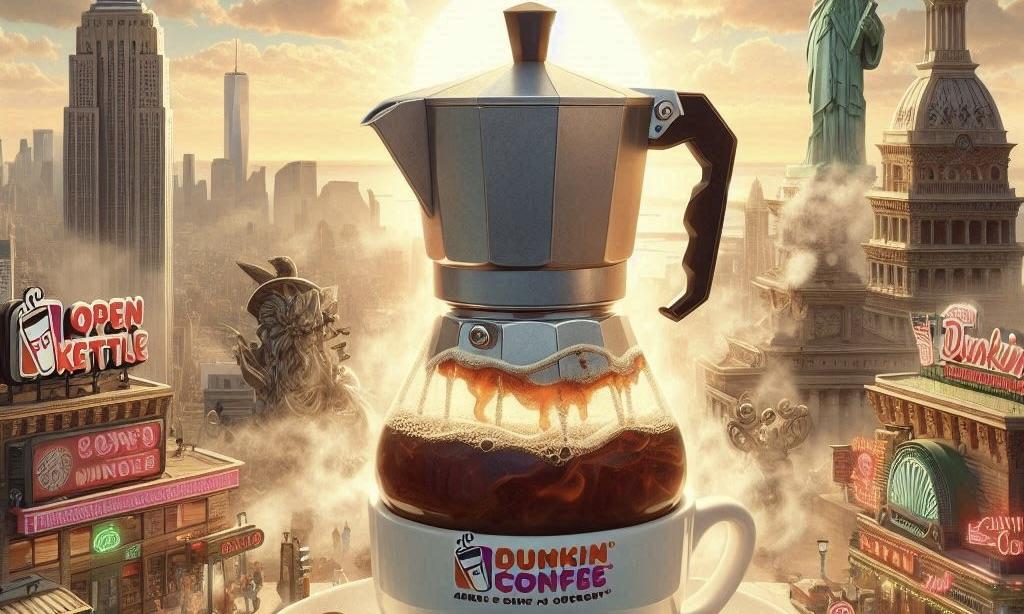
Dunkin’ may be a household name today, but it began as a small food truck called Open Kettle in Quincy, Massachusetts, in 1948. Founded by Bill Rosenberg, the brand initially served meals on wheels for blue-collar workers, evolving into a coffee and donut empire by focusing on its customers' tastes.
From Food Truck to Coffee Empire: Dunkin’s Humble Beginnings as ‘Open Kettle’
Before it grew into a global coffee and donut powerhouse, Dunkin' was known by a different name. Founded in 1948 by Bill Rosenberg, a shipyard worker from Dorchester, Massachusetts, Dunkin’ started with a humble food truck in Quincy. Rosenberg, who had observed a shortage of quality lunch spots for blue-collar workers during WWII, seized the opportunity by serving meals on wheels, quickly gaining popularity. The food truck’s success enabled him to open a full restaurant nearby. However, Rosenberg noticed that over half of his sales came from coffee and donuts, inspiring him to simplify his menu. According to Tasting Table, this new restaurant, Open Kettle, is focused exclusively on coffee and donuts and is priced at 10 and 5 cents, respectively.
In 1950, Rosenberg rebranded Open Kettle as Dunkin' Donuts, a nod to the habit he observed among his patrons who often "dunked" their donuts in coffee. The brand’s popularity spurred rapid expansion, with the first franchise opening in Worcester, Massachusetts, in 1955. By 1963, Dunkin' Donuts had grown to over 100 locations. Throughout the 1970s, beloved menu items like Munchkins and muffins joined the lineup, and the chain’s growth accelerated. Today, Dunkin’s original Quincy location, once known as Open Kettle, still pays homage to its roots with a retro sign, donut-shaped tables, and the iconic orange and purple decor.
Dunkin’s 2019 Rebrand Reflects Shift Toward Healthier Options and a Modern Coffee Experience
In September 2018, Dunkin' Donuts announced a rebrand, shortening its name to Dunkin’ starting January 2019. The change, marked by updated logos, cups, and menu boards, was intended to mirror a shift in consumer preferences, much like Rosenberg's shift from a full menu to coffee and donuts in the 1940s. By dropping “Donuts” from its name, Dunkin’ aimed to position itself alongside competitors like Starbucks, catering to customers seeking healthier foods and convenient beverages.
Although the days of Open Kettle are long past, Dunkin' shows no signs of slowing down. With over 13,000 locations worldwide, Dunkin' operates in all but seven U.S. states, maintaining strict quality standards for its coffee. Today, Dunkin’ remains a cornerstone of the American coffee experience, cherished for its heritage and modern adaptability.







