


 Oil Prices Rise as US-Iran Tensions Threaten Strait of Hormuz Oil Shipments
  Kakaku.com Shares Rise as Bain Capital and LY Corp Prepare Higher Takeover Bid Than EQT
  Locked up then locked out: how NZ’s bank rules make life for ex-prisoners even harder
  The ghost of Robodebt – Federal Court rules billions of dollars in welfare debts must be recalculated
  AI is driving down the price of knowledge – universities have to rethink what they offer
  China Sets 1.25% Overnight Reverse Repo Rate Below Market Expectations
  China Expands Export Controls, Adds 20 Japanese Companies to Restricted List
  Why a ‘rip-off’ degree might be worth the money after all – research study
  Asian Stocks Slip as US-Iran Ceasefire Hopes Lift Oil, Dollar Strength Persists
  Debate over H-1B visas shines spotlight on US tech worker shortages
  Trump Urges Gasoline Retailers to Cut Prices to $2.50 Per Gallon, Warns of Legal Action
  Asian Stocks End Strong Quarter as Dollar Surges, Yen Hits 40-Year Low Ahead of US Jobs Data
  Time to buy local: war fuel price shocks reveal the folly of a long food supply chain
  What’s the difference between baking powder and baking soda? It’s subtle, but significant
  Anthropic Brings Claude AI Models to Microsoft Azure Foundry With NVIDIA Blackwell GPUs
  The pandemic is still disrupting young people’s careers


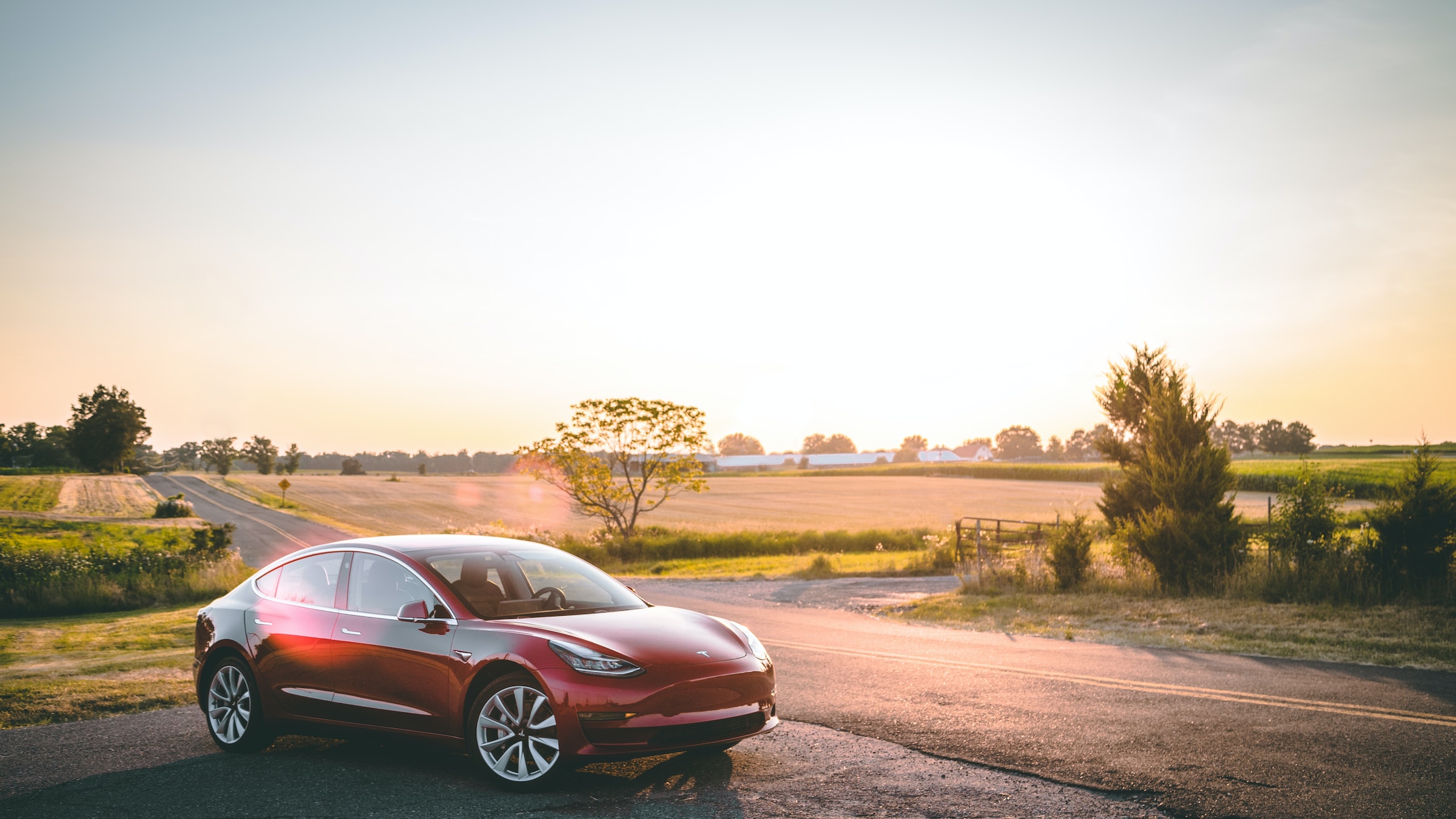
Despite a 10.7% overall surge in South Korean car sales, foreign giants Tesla Inc. and Mercedes-Benz have seen a significant dip in their market share. The first half of 2023 witnessed their sales dwindle, especially in the electric vehicle (EV) segment, whereas domestic automakers Hyundai and Kia thrived.
The decrease in the foreign brands' market share was the first in four years, primarily due to dwindling electric vehicle (EV) sales. Conversely, South Korean car manufacturers, such as Hyundai Motor Co.'s IONIQ 5 and IONIQ 6, along with Kia Corp.'s EV6, outperformed their international competitors in the EV segment.
During this period, the country observed a noteworthy growth of 10.7% in total car sales, with 893,737 units sold. However, sales of imported cars declined by 3.1%, amounting to 134,414 units. Regarding newly registered cars, the market share of foreign automakers decreased by 2.5 percentage points to 15.3% in the first half.
Tesla Inc. faced a sharp decline of 44.7% in car sales, triggered by waning interest in its flagship Model 3. Meanwhile, Mercedes-Benz experienced a drop in sales due to shipment delays and anticipation of the launch of the E-Class facelift, Korea's most sought-after imported car model. The German automaker's Korean sales declined by 9.6% in the first half.
The percentage of imported EVs also significantly decreased, falling from 35.9% in 2020 to 19.5% by the end of June 2022.
Notably, South Korean car manufacturers monopolized the top seven spots for the most popular newly registered EV models in the year's first half, with Tesla's Model Y ranking eighth.
Furthermore, by the end of June, the country's cumulative number of registered EVs rose by 19.3% compared to 2022, totaling 465,000 units. This half-year period recorded the most substantial percentage leap among all vehicle segments.
In a positive development, Tesla introduced its Model Y rear-wheel drive car to the South Korean market, sold for 56.99 million won ($45,139). This price range qualifies the vehicles for the highest level of government subsidies. With a driving range of 350 kilometers (217.48 miles) and a top speed of approximately 217 km per hour, deliveries for the Model Y are scheduled for August to September.
Local media reports suggest that the Tesla Model Y cars sold in South Korea are produced in China. A tweet by Tesla Korea showcasing the sale featured a video of cars being manufactured at their Gigafactory in Shanghai and being shipped.
This latest data underscores the dynamic landscape of the automotive industry in South Korea, highlighting both the challenges faced by foreign automakers and the growing dominance of their South Korean counterparts in the EV market.
Photo: Vlad Tchompalov/Unsplash







