


 Trump Threatens 100% Tariffs on Countries Imposing Digital Services Taxes on U.S. Tech Firms
  Trump Questions Housing Bill as He Prioritizes SAVE America Act
  Kioxia Targets U.S. Listing as AI Chip Boom Accelerates
  World Bank Approves $1.1 Billion Emergency Funding for Bangladesh Amid Food and Energy Price Pressures
  Morgan Stanley Names BAE Systems Top European Defence Stock Despite Lower Price Target
  Gold Prices Drop as Fed Rate Outlook and Iran Tensions Weigh on Market
  Baige Online Shares Soar 333% in Hong Kong IPO Debut as AI Insurance Demand Lifts Chinese Listings
  UBS Raises TSMC Price Target to T$3,400 on Strong AI Chip Demand Outlook
  Super Micro Shares Slide After Taiwan Raids Over Alleged Nvidia AI Chip Smuggling Probe
  Australia Plans Higher Fines for Social Media Firms Failing to Block Underage Users
  Apple Supplier Stocks Slide as Samsung, SK Hynix Lead Selloff After Apple Price Hikes
  Economic pessimism has set in – but there are reasons for Australians to be hopeful
  Japan Targets 1%+ Real Economic Growth With ¥370 Trillion Investment Plan
  China Eastern Orders 25 Airbus A330neo Jets in $9.35 Billion Deal to Boost International Expansion
  US Egg Producers Settle Price Manipulation Probe, Agree to Pay $3.3 Million and Donate 53 Million Eggs
  Oil Prices Rise as US-Iran Tensions Threaten Strait of Hormuz Oil Shipments
  Firmus Partners With Nvidia to Deliver 170,000 AI GPUs in $30 Billion Cloud Infrastructure Deal


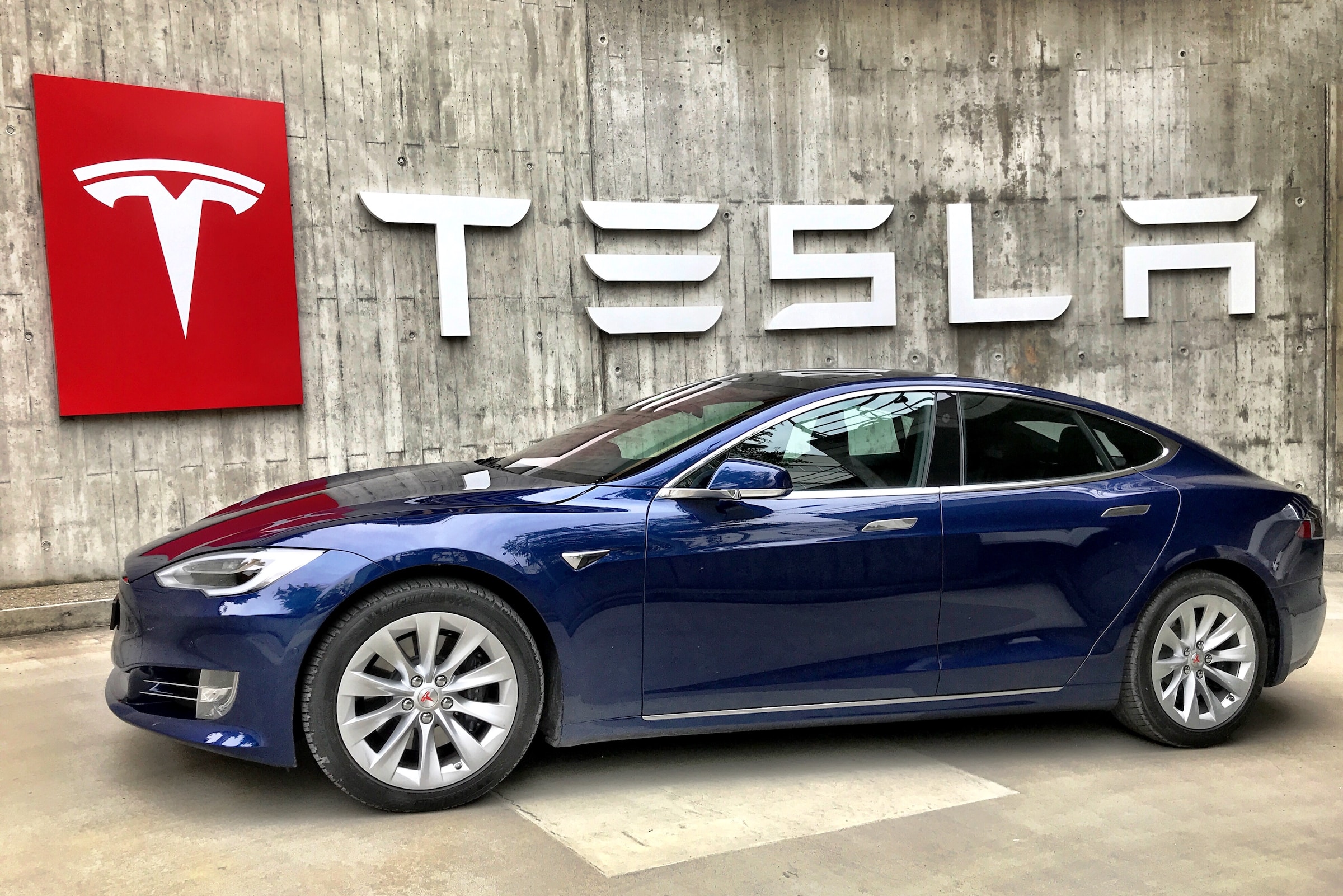
Samsung Electronics Co., the global memory chipmaking giant, has revealed a new strategic alliance with Tesla Inc. to manufacture the automaker's forthcoming Full Self-Driving (FSD) chips. Slated for inclusion in Tesla's Hardware 5 (HW 5.0) computers, the state-of-the-art chips, built on Samsung's 4-nanometer node, are expected to go into mass production within the next three to four years.
Previously, Tesla had chosen Taiwan Semiconductor Manufacturing Co. (TSMC) as its sole HW 5.0 auto chip production partner. However, Tesla plans to collaborate with both TSMC and Samsung or potentially rely solely on Samsung for the mass production of the fifth-generation auto chips.
This strategic shift arose after Samsung Group leader Lee Jay-yong discussed with Tesla Chief Executive Elon Musk to explore opportunities for strengthening their technological partnership. During their meeting at a Samsung research center in Silicon Valley, Lee presented Musk with favorable terms, including competitive contract prices, facilitating this new alliance.
Samsung has a history of supplying earlier versions of FSD chips to Tesla, supporting the production of various Tesla EV models such as the Model 3, Model 5, Model X, and Model Y. In addition to this collaboration, Samsung has experienced significant improvements in the yield of its 4-nm and 3-nm node processes, up to a 75% and 60% increase in yield, respectively.
To support its growing ambitions, Samsung is actively expanding its foundry capacity. This includes expanding its manufacturing footprint at the Pyeongtaek plant in Korea in 2022 and establishing a new plant in Texas, expected to be operational the following year. By 2027, Samsung aims to triple its global chipmaking capacity from its 2022 level.
The partnership between Samsung and Tesla marks a significant milestone in the advancement of autonomous driving technology, highlighting the concerted efforts of these industry leaders in driving innovation forward.
Photo: Tesla Fans Schweiz/Unsplash







