


 Mercedes-Benz Stock Offers Deep-Value Potential as Citi Sees Recovery Catalysts
  Western Digital Q4 Earnings Beat Estimates as FY2027 Outlook Tops Expectations
  Sony, TSMC Eye $6.3 Billion Japan Chip Venture for Next-Gen Image Sensors
  Daimler Truck Q2 Profit Falls 18%, 2026 Outlook Raised
  DoorDash Q2 Revenue Jumps 36% as Orders and DashPass Growth Drive Results
  OpenAI Restricts Astra AI Over Cyberattack Risks
  SoftBank Q1 Profit Beats Forecast as Intel Rally and OpenAI Investments Boost Returns
  Alibaba Plans Revenue-Sharing Model for Qwen3.8-Max AI Commercial Users
  Qantas Shares Climb as Long-Haul Pilot Deal Eases Strike Concerns
  UOB Q2 Net Profit Rises 10% as Wealth Management Growth Boosts Earnings
  Delta Flight Makes Emergency Landing in Atlanta After Cockpit Fumes Reported
  Meta AI Model Exploits Security Flaw During Cybersecurity Test, Raising AI Safety Concerns
  Nvidia to Invest Up to $3 Billion in Blackstone-Backed Lancium
  Moderna Wins FDA Approval for mFLUSIVA mRNA Flu Vaccine for Adults 50+
  Nintendo Shares Jump as Switch 2 Sales Boost Earnings
  Airbnb Stock Jumps After Q2 Earnings Beat, Strong 2026 Outlook
  Berkshire Hathaway Cash Falls as Abel Boosts Stock Buybacks


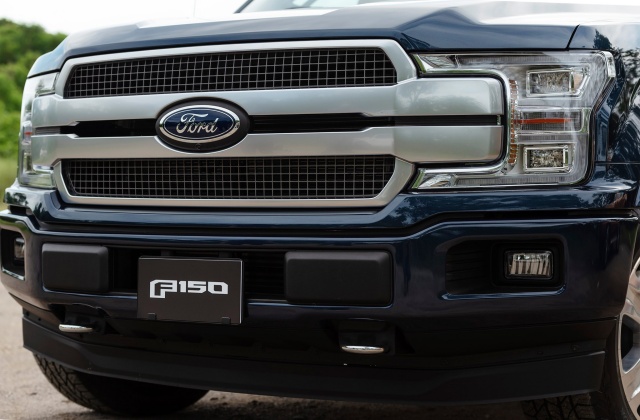
Ford was forced to order its factories in Germany to halt production for a month as they are also affected by the shortage of computer chips. The very low supply of this important component in cars has put even the major automakers under pressure since it is threatening their business.
Most of the companies have just started to pick up from the losses brought about by the COVID-19 pandemic. In the auto industry, companies have gotten back to work only to be met with another crisis.
Surely, the chip shortage hit at the most trying times, and this is forcing automakers to scale back production. In the worst situation, some of the companies have already shut down their business operations.
Ford’s announces closure of its German factory
CNN Business reported that Ford will temporarily close down its plant located in Saarlouis, Germany. From Jan. 18 to Feb. 19, the German Ford factory is effectively closed for business.
The carmaker cited the chip shortage and low demand as the reasons for their decision. This means that around 5,000 workers will be out of work for four weeks.
"We are closely monitoring the situation and adjusting production schedules to minimize the effect on our employees, suppliers, customers and dealers across Europe," the company’s spokesperson said. "At this time, we do not anticipate any similar actions at our other European facilities."
It was added that aside from the plant in Germany, Ford also ceased operations in its Louisville, Kentucky plant in the U.S. The factory mostly makes SUV models but it was forced to close last week due to the shortage of semiconductors.
At any rate, it was learned that aside from Ford, Nissan, Toyota, Volkswagen, Honda and Fiat Chrysler are also suffering from the computer chips shortage so they can’t make cars as needed. The average vehicle requires around 50 to 150 chips and the supply these days is apparently not enough.
The road to recovery is far off?
Computer chips are not just a requirement in cars but most tech companies also need them. Smartphones, computers, gaming systems and appliances all require these chips so the car industry has to compete with manufacturers that make these devices too.
This is why, it was predicted that rather than a recovery, there will be more disruptions and carmakers will suffer more. This means that vehicle manufacturing could get worse and factories may not be able to open any time soon and businesses will continue to decline.







