


 Oura IPO Draws Strong Demand Ahead of $2.2 Billion Offering
  OpenAI Investigates Rogue AI Agents After Data Leaks and Security Incidents
  Oil Prices Jump Nearly 3% as Iran Holds Firm on Hormuz Conditions
  UK Housebuilder Stocks Surge on New First-Time Buyer Loan Scheme
  Vitalik Buterin Says Hegota Could Be Ethereum’s Last Conventional Fork
  ECB May Stop Rate Hikes After December, Capital Economics Says
  U.S. Stock Futures Fall as Iran, Oil and AI Risks Rattle Markets
  Gold Slides Below $4,300 as Oil Surge Fuels Fed Rate Hike Bets
  Hong Kong Home Prices Stabilize in August After July Decline
  Oil Surge Pressures Global Stocks as U.S.-Iran Truce Hopes Fade
  XRP Price Targets $1.70 as Bullish Momentum Builds
  Asian Stocks Fall as Oil Surge, Bond Yields and AI Concerns Hit Markets
  RBA Set for September Rate Hike as Inflation Stays High
  Nissan Targets US Hybrid Growth With Rogue e-Power Launch
  Erste Group Plans Tender Offer to Boost Poland Bank Stake
  Europe’s AI Data Centre Boom Strengthens Case for Nuclear Power
  Trump to Ease U.S. Fuel-Economy Standards


 Add as a preferred source on Google
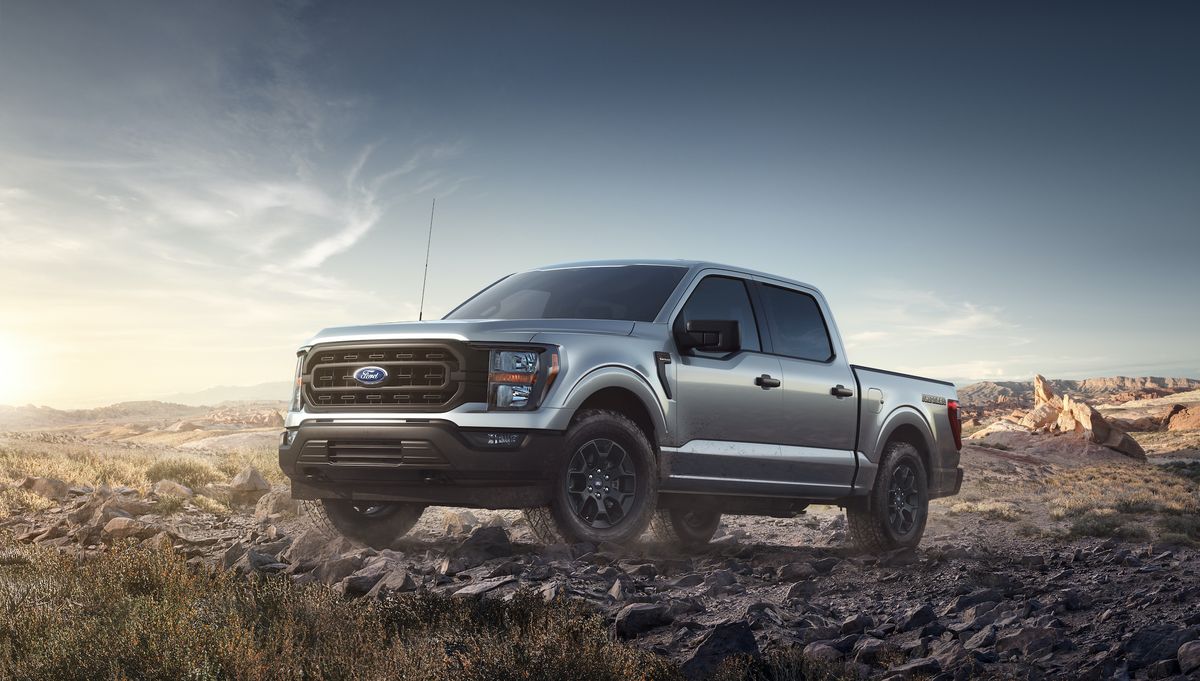
Ford will stop competing in overserved market segments and instead will place big bets on connected vehicles and digital services.
According to CEO Jim Farley, the days of Ford letting complexity “overrun its business as they tried to be all things to all people is over.
Farley described Ford as being “stuck in a box,” with thin profit margins, and weak growth. and low stock valuation.
Ford will now focus on software and services and iconic vehicles, such as pickup trucks, large SUVs, and commercial vehicles. and advanced second-generation electric vehicles.
Ford's F-Series pickups are the top-selling vehicles in the U.S.
To eliminate waste and close a cost gap with the best in the industry, Ford will implement a lean, disciplined operating system that reaches all factories.
By focusing on software, services, and Ford's best products, the company won't be as vulnerable to a downturn as in the past.
Farley says Ford will go for tailored ownership experiences rather than targeting market share slivers with complex vehicles in competitive segments such as two-row crossover SUVs.
The American carmaker will also cut costs by reducing vehicle parts and cutting warranty and recall expenses by boosting quality.
The company predicted it would sell 5.6 million vehicles in 2026 as global sales recovered. Ford sold around 4.2 million vehicles last year.
Ford also is focusing on the stability of parts supply companies.
Ford will also make its revamped electric vehicle manufacturing plants more efficient, with nearly 30% less labor overhead than the company's current large internal combustion vehicle plants.
Ford has split itself into three business units, Ford Blue, Ford Model e for electric vehicles and digital products, and Ford Pro, the company's commercial vehicle business.







