


 SpaceX Eyes Starlink Mobile Phone Service to Challenge Verizon, AT&T, and T-Mobile
  RBA Expected to Hold Interest Rates at 4.35% as Markets Watch AUD/USD and ASX 200
  Morgan Stanley Sees Chinese Auto Market Recovery Gaining Momentum in Late Summer
  BOJ Rate Hike Expected to Boost Yen, Impact USD/JPY and Nikkei
  US Dollar Slips After PCE Inflation Data as Fed Rate Hike Expectations Stay Elevated
  ECB Keeps July Rate Options Open Amid Iran War Energy Price Risks
  Goldman Sachs Sees Fed Holding Interest Rates Steady Until 2027
  South Korea’s KOSPI Plunges as Apple Price Hikes and OpenAI IPO Delay Shake AI Chip Stocks
  S&P Affirms Brazil’s BB Credit Rating with Stable Outlook Amid Fiscal Challenges
  Asian Stocks Sink as Apple Price Hikes Spark AI Valuation Fears, South Korea and Japan Lead Selloff
  BOJ Raises Interest Rates to 1% as Inflation Pressures Persist
  Wall Street Ends Mixed as Micron Surges, Apple Drops After Price Hikes
  ECB Set to Raise Interest Rates as Energy Shock Fuels Eurozone Inflation Concerns
  Gold Drops Below $4,000 as Strong US Dollar and Fed Rate Hike Expectations Pressure Bullion
  Iran Attack in Strait of Hormuz Pushes Oil Prices Higher


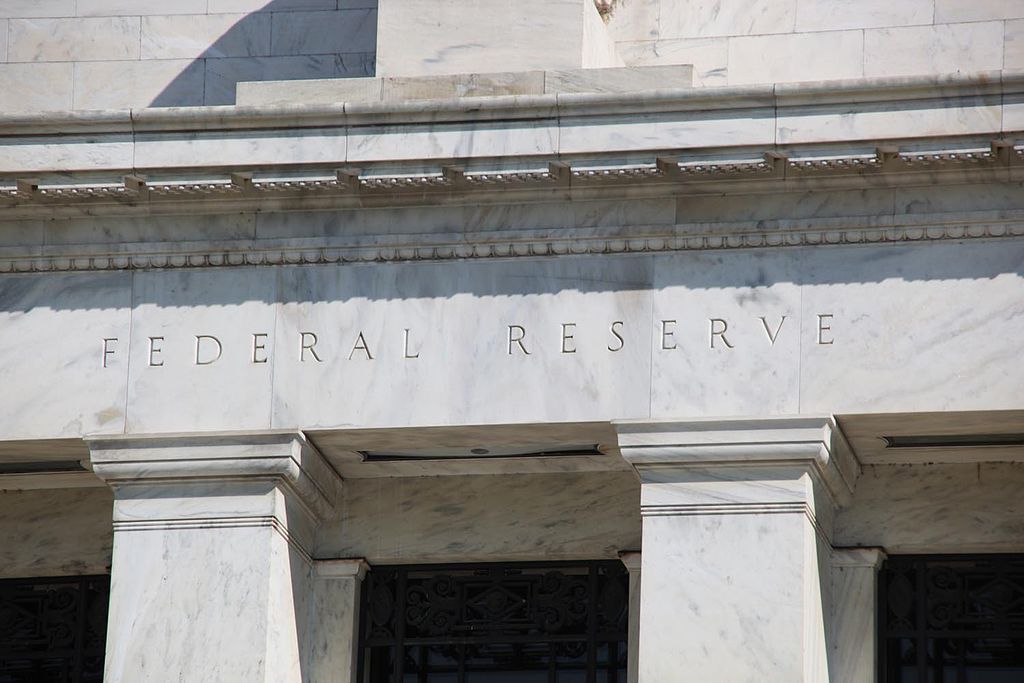
Federal Reserve Bank of Philadelphia President Anna Paulson said on Saturday that additional U.S. interest rate cuts may not happen immediately, as policymakers assess how the economy responds following an aggressive easing cycle last year. Speaking ahead of the 2026 Allied Social Science Associations Annual Meeting in Philadelphia, Paulson emphasized a cautious and data-dependent approach to future monetary policy decisions.
Paulson noted that inflation appears to be moderating, the labor market is stabilizing, and economic growth is expected to come in around 2% this year. If these trends continue, she said modest additional adjustments to the federal funds rate could be appropriate later in the year. However, she stressed that the current policy rate remains slightly restrictive and is still contributing to easing inflationary pressures.
The Federal Open Market Committee (FOMC), on which Paulson holds a voting seat this year, cut interest rates by a total of 75 basis points in 2025 through three separate 25-basis-point reductions. Those moves left the benchmark federal funds rate in a range of 3.5% to 3.75% at the December policy meeting. The cuts reflected a delicate balancing act, as officials sought to curb inflation while also supporting a softening labor market.
During that period, the Fed faced political pressure from President Donald Trump to implement more aggressive rate cuts, even as some policymakers argued against easing with inflation still above the central bank’s 2% target. Fed Chair Jerome Powell offered limited guidance in December on the timing of future rate reductions, though official projections continue to point toward further easing in 2026.
Paulson expressed cautious optimism that inflation could approach the 2% target on a run-rate basis by year-end, particularly as tariff-related price adjustments fade. On employment, she said the labor market is slowing but not deteriorating sharply, with both supply and demand factors contributing to weaker hiring. She added that employment trends will require close monitoring as the year progresses.
Overall, Paulson’s remarks underscore the Fed’s careful stance as it weighs inflation trends, economic growth, and labor market conditions before making further interest rate decisions.







