


 Russian Envoy Dmitriev Heads to US for Ukraine Talks
  Trump, Xi Focus on Trade and AI at White House Summit
  US, China Extend Trade Truce to Jan. 10 Ahead of Trump-Xi Summit
  Taiwan Thanks US for Support Ahead of Trump-Xi Summit
  Oil Prices Surge as U.S.-Iran Diplomacy Hopes Fade
  Yemen Violence Displaces 130,000 as Civilian Toll Rises
  NATO Boosts Intelligence Sharing Amid Russia Hybrid Threats
  North Korea Rejects Nuclear Test Warning, Calls Nuclear Status Irreversible
  Kremlin Says No Decision Yet on Putin-Trump December Summit
  US Officials Split Over Response to Israeli West Bank Settlements
  Netanyahu’s Brief US Trip Highlights Strains With Trump
  Gold Prices Fall as Treasury Yields Rise on Fed Rate Hike Bets
  South Korea, US Discuss Warship Building Cooperation
  Soybean Futures Slip as Traders Await Trump-Xi Trade Signals
  Australia Unemployment Hits Five-Year High Despite Strong Jobs Growth
  Mexico-US Trade Talks Delayed to October as Tariff Negotiations Continue
  US Senate Rejects Iran War Powers Resolution in 50-49 Vote


 Add as a preferred source on Google
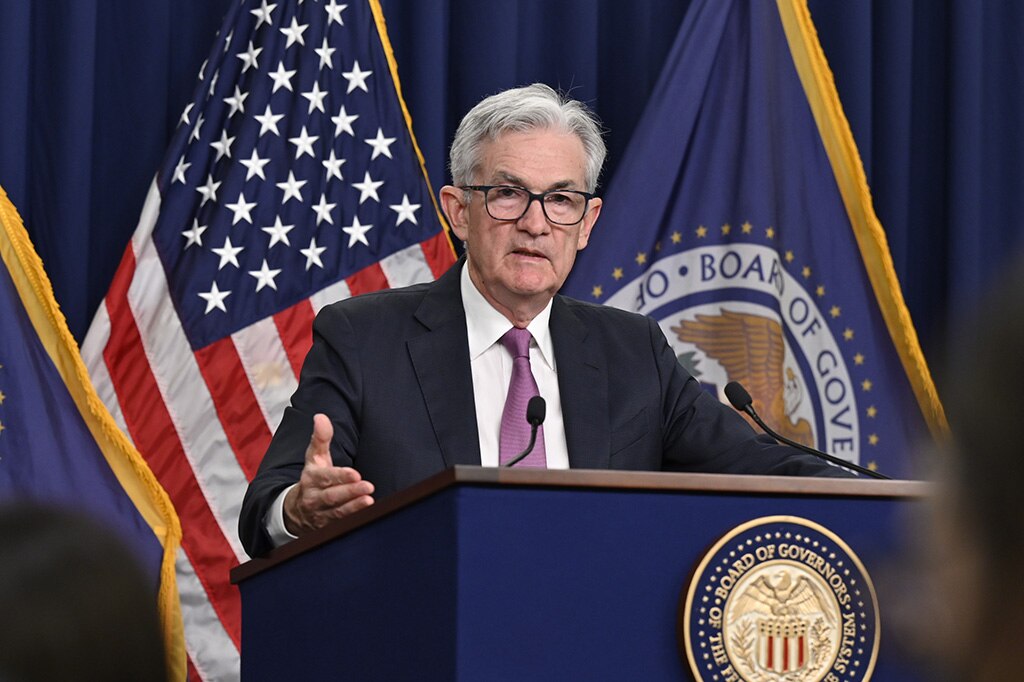
Federal Reserve Chair Jerome Powell signaled that U.S. economic growth could slow while inflation rises, citing the impact of President Donald Trump’s import tariffs. Following the Fed’s decision to keep its benchmark rate at 4.25%-4.50%, Powell acknowledged "unusually elevated" uncertainty among policymakers.
Trump’s aggressive tariff policies have fueled economic concerns, with inflation now expected to reach 2.7% by year-end, up from the 2.5% forecast in December. Meanwhile, economic growth projections for 2025 were revised down to 1.7% from 2.1%. The Fed remains cautious, with Powell stating, “We’re not going to be in any hurry to move.”
The tariffs, including a 25% levy on Mexican and Canadian imports set for April, could push consumer prices higher, impacting businesses and households. Powell noted that the Fed will closely monitor inflation trends and their effect on consumer sentiment. Though short-term inflation expectations have risen, long-term indicators remain stable, offering policymakers some flexibility.
The central bank has cut interest rates by a full percentage point since last year but is waiting for more clarity on Trump’s economic policies before adjusting further. Despite market uncertainty, major U.S. stock indices closed higher after the Fed’s statement, while Treasury yields eased.
Traders now see a 62% chance of a rate cut in June, up from 57% before the announcement. Powell emphasized that the Fed is prepared to adjust policy as needed, depending on inflation and employment data. The Fed also announced plans to slow the drawdown of its $6.81 trillion balance sheet, with Governor Chris Waller dissenting on this decision.
With the economy at a crossroads, the Fed’s cautious stance reflects the ongoing challenges posed by trade policy shifts and inflationary pressures.







