


 Wall Street Falls as Treasury Yields Surge, Oil Rebounds on Iran Tensions
  U.S. Treasury Yields Surge as 30-Year Hits 22-Year High
  South Korea, US Discuss Warship Building Cooperation
  Oil Prices Ease as Iran Tensions Clash With Diplomacy Hopes
  RBI Uses $10 Billion Currency Swaps to Drain Excess Rupee Liquidity
  Gold Holds Near $4,275 as Rising Treasury Yields Fuel Fed Rate Hike Bets
  Asian Stocks Fall as Surging Bond Yields Rattle Markets
  Oil Prices Jump 3% as Houthi Attack Revives Supply Fears
  Russian Envoy Dmitriev Heads to US for Ukraine Talks
  Gold Prices Fall as Treasury Yields Rise on Fed Rate Hike Bets
  Dollar Holds Near Two-Month High as Yen Approaches 160
  Soybean Futures Slip as Traders Await Trump-Xi Trade Signals
  Fed Unveils Stablecoin Rules Under GENIUS Act
  US Stock Futures Fall as Treasury Yields Surge Ahead of Trump-Xi Summit
  Asian Currencies Mixed as Dollar Holds Near Two-Month High
  U.S. Dollar Hits Two-Month High as Oil, Treasury Yields Surge
  U.S. 10-Year Treasury Yield Hits 2007 High as Fed Rate Hike Bets Rise


 Add as a preferred source on Google
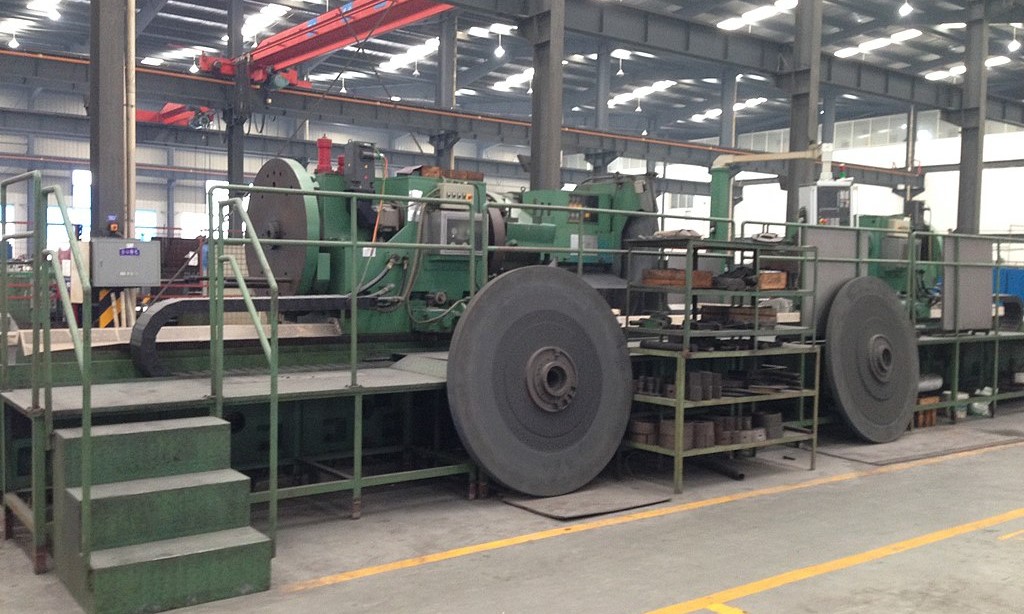
China's factory sector expanded at its strongest pace in a year during March, offering a boost to an economy navigating global supply chain challenges and volatile energy markets. The official manufacturing Purchasing Managers' Index climbed to 50.4, up from 49.0 in February, surpassing analyst expectations of 50.1 and marking the first time in months the index crossed the critical 50-point growth threshold.
The uptick signals improving demand conditions and a strong post-Lunar New Year production rebound. Factories ramped up operations quickly after the extended holiday break, with output and new orders both climbing above 51. Even new export orders showed notable recovery, rising to 49.1 from a weak 45.0 the prior month.
Despite the encouraging figures, economists urge caution. Escalating energy prices tied to the ongoing Middle East conflict are driving up input costs, putting pressure on manufacturers with already thin margins. The raw materials price sub-index surged sharply from 54.8 to 63.9 in March alone — a stark reminder of the external risks still facing Chinese industry. While output prices also ticked higher, limited pricing power suggests manufacturers are absorbing much of the cost burden themselves.
China's robust export performance — backed by record trade surpluses and surging global demand for electronics and semiconductors — has been a key pillar of growth. However, prolonged geopolitical instability could dampen this momentum, particularly in the second half of the year. The European Union, one of China's most critical trade partners, faces potential recessionary pressure if energy disruptions persist.
Domestically, weak consumer demand remains a structural challenge. Policymakers continue pushing for a shift toward consumption-led growth, but meaningful progress will take time. The non-manufacturing PMI also improved slightly to 50.1, suggesting modest but fragile momentum across both services and construction sectors.







