


 US 10-Year Treasury Yield at 6% Emerges as New Market Risk Threshold
  Oil Prices Ease as Iran Tensions Clash With Diplomacy Hopes
  U.S. Dollar Hits Two-Month High as Oil, Treasury Yields Surge
  Japanese Bank Stocks Surge as Bond Yields Fuel Rate Hike Bets
  European Stocks Fall as Bond Yields and Geopolitical Risks Weigh
  Fed Unveils Stablecoin Rules Under GENIUS Act
  Asian Stocks Fall as Surging Bond Yields Rattle Markets
  Fed Unveils Stablecoin Rules Under GENIUS Act
  Russian Envoy Dmitriev Heads to US for Ukraine Talks
  South Korea, US Discuss Warship Building Cooperation
  China’s ‘Lipstick King’ Says AI Won’t Replace Livestream Hosts
  RBI Uses $10 Billion Currency Swaps to Drain Excess Rupee Liquidity
  U.S. 10-Year Treasury Yield Hits 2007 High as Fed Rate Hike Bets Rise
  Japan Private-Sector Growth Slows as Domestic Demand Weakens
  Gold Prices Fall as Treasury Yields Rise on Fed Rate Hike Bets
  Mexico-US Trade Talks Delayed to October as Tariff Negotiations Continue


 Add as a preferred source on Google
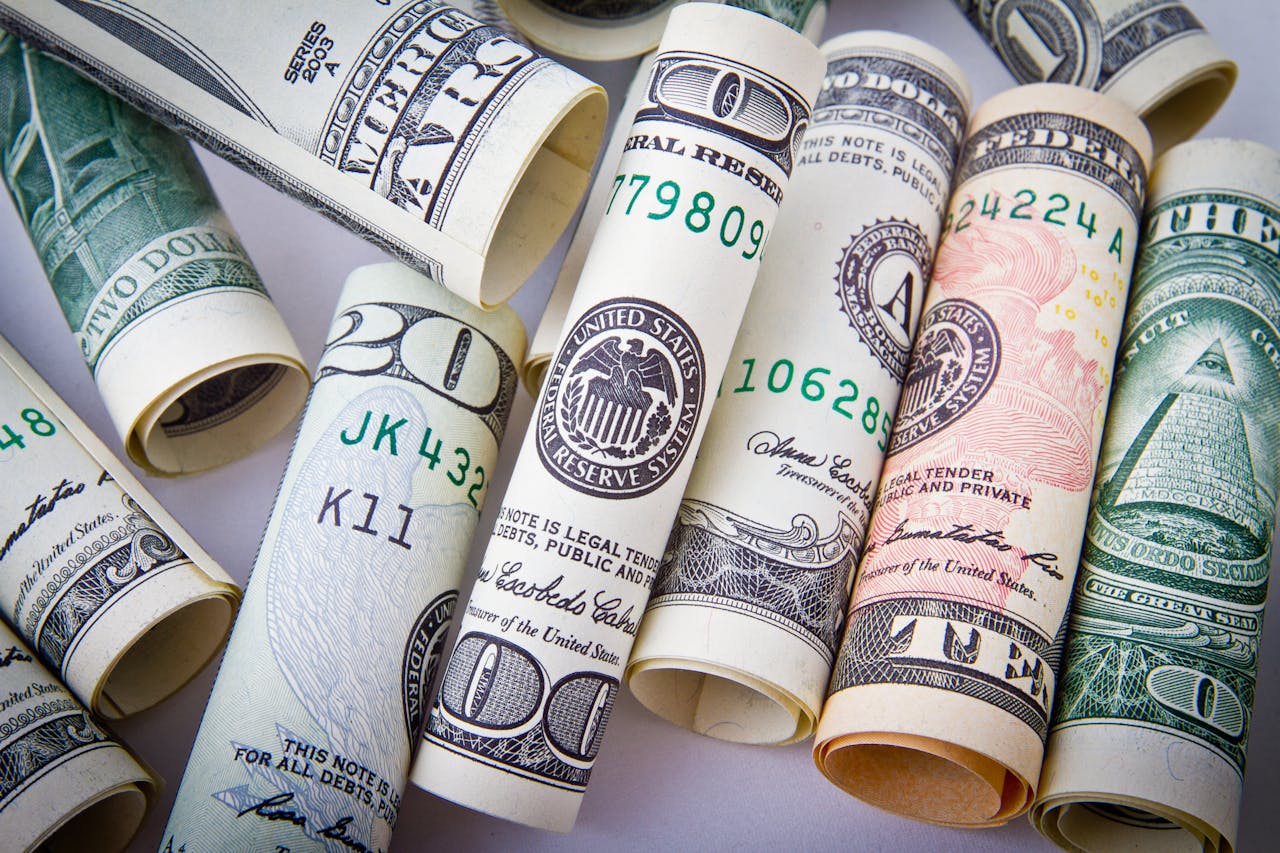
The U.S. dollar maintained its strong position on Monday, heading toward its best monthly performance since July, as escalating Middle East tensions continued to unsettle global financial markets. Investors fleeing to safe-haven assets pushed the Japanese yen past the psychologically significant 160-per-dollar mark, raising fresh concerns about potential currency intervention by Japanese authorities.
The ongoing conflict, which erupted following U.S. and Israeli strikes on Iran on February 28, has since expanded across the region. The closure of the Strait of Hormuz — a critical passage responsible for roughly one-fifth of global oil and gas shipments — has sent Brent crude prices surging toward their largest monthly gain in months while simultaneously disrupting global interest rate outlooks. The recent involvement of Yemen's Houthi forces further deepened market unease.
Diplomatic efforts remain fragile. While Pakistan announced plans to facilitate peace negotiations, Iran signaled its readiness to retaliate if a U.S. ground operation materializes. This uncertainty has kept traders firmly in risk-off mode. Chris Weston of Pepperstone noted how rapidly market sentiment shifted, with a ground offensive in Iran transitioning from a fringe scenario to a credible threat within just two weeks.
Currency markets have broadly reflected this defensive stance. The euro slipped to $1.1512, set for a 2.5% monthly loss — its steepest decline since July. The British pound hovered near $1.32585, down approximately 1.7% for March. Meanwhile, the dollar index held at 100.14 in early trading.
The yen recovered slightly to 159.97 after briefly touching 160.47, its weakest point since July 2024. Japan's top currency official warned of decisive intervention if volatility continues, while the Bank of Japan Governor emphasized close monitoring of exchange rate movements. Commodity-linked currencies also struggled, with the Australian dollar falling 3.8% and the New Zealand dollar dropping 4.4% in March.







