


 US Comfortable With Canada Trade Standoff as Import Bans Loom
  Trump Asks Supreme Court to Restore Third-Country Deportations
  FDA Approves Mirum’s Atebrioz for Rare Bone Disorder FOP
  Pope Leo Warns UN, Multilateral Groups Face Crisis
  Ukrainian Drone Attacks Hit Russian Regions, Injuring at Least 12
  ICE Agent Arrested in Minneapolis Over Venezuelan Man Shooting
  Trump Bans CNN, MS NOW and Politico From White House
  Saudi Arabia, Turkey and Pakistan Plan Urgent Defence Talks Over Houthi Attacks
  DOJ Will Investigate AI-Related Crimes, Attorney General Blanche Says
  US Judge Dismisses Imran Ahmed Deportation Lawsuit
  US Bans Canadian Alcohol, Motorcycles as Trade War Escalates
  Netanyahu Defends Israel at UN as Delegates Stage Walkout
  Evan Gershkovich Says FSB Set Trap for 2023 Russia Arrest
  North Korea Rejects Nuclear Test Warning, Calls Nuclear Status Irreversible
  White House Bars CNN, MS NOW and Politico Reporters


 Add as a preferred source on Google
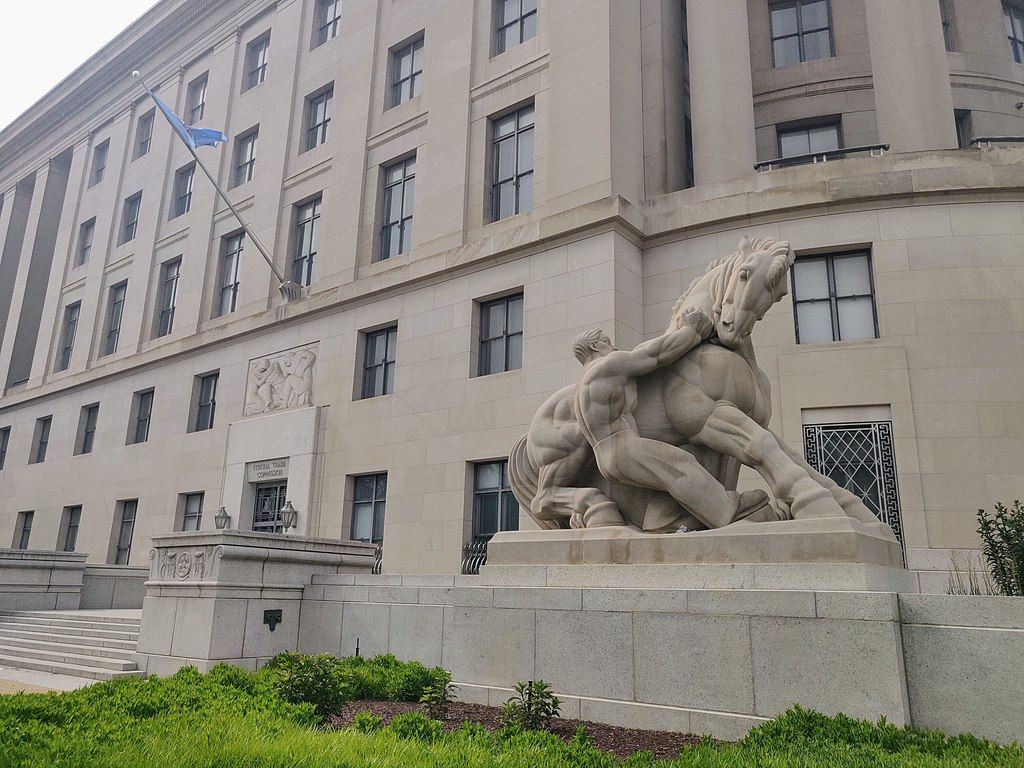
The U.S. Federal Trade Commission (FTC) announced it will suspend key consumer protection services and merger reviews during the ongoing government shutdown. The agency, responsible for enforcing antitrust and consumer protection laws, said it will not process fraud complaints, block unwanted spam calls, or maintain its national Do Not Call Registry while operations remain limited.
This shutdown, which has forced hundreds of thousands of federal employees into furlough, mirrors earlier shutdown strategies under both the Trump and Biden administrations. However, under President Joe Biden, the FTC went further by completely stopping early merger clearance approvals, while under the current plan, businesses may still file transactions but will face delays due to reduced resources.
The FTC employs approximately 1,180 full-time staff, but only about 400 are expected to continue working without pay under exceptional circumstances, such as meeting urgent court deadlines. This reduction in workforce is likely to slow antitrust investigations and extend review times for mergers and acquisitions. Legal experts warn that this could disrupt Wall Street dealmaking, as businesses rely on timely clearance to proceed with transactions.
Aleksandr Livshits, an antitrust partner at Fried Frank, highlighted the uncertainty this shutdown brings for corporate mergers, noting that “it’s more helpful to have a fully functioning government, there’s more predictability.”
While the FTC’s core mission of protecting consumers and ensuring fair competition remains critical, the shutdown restricts its ability to deliver essential services. This lack of operational capacity means consumers have fewer protections against fraud and deceptive practices, while businesses face uncertainty in regulatory approvals.
The shutdown underscores the broader economic risks of government gridlock, not only for consumers but also for corporations navigating antitrust law and compliance. Until funding is restored, both individuals and businesses must brace for significant disruptions in FTC oversight and consumer protection mechanisms.







