


 US Supreme Court Strikes Down Hawaii Gun Carry Law on Private Property
  Marco Rubio Seeks Gulf Support for U.S.-Iran Peace Deal Amid Regional Concerns
  Japan Signals Preference for Low Interest Rates as BOJ Policy Debate Intensifies
  US Mobilizes Aid After Powerful Earthquakes Devastate Venezuela
  Iran Attack in Strait of Hormuz Pushes Oil Prices Higher
  Trump Orders DOJ Investigation Into Exxon, Chevron Over High Gas Prices
  US Urges States and Businesses to Strengthen Taiwan Ties Amid China Pressure
  ICC Judges Sue Trump Administration Over Sanctions, Calling Measures Unlawful
  Peru Election Dispute Deepens as Roberto Sanchez Rejects Runoff Results
  Republican Lawmaker Introduces AI Incident Reporting Bill to Strengthen U.S. AI Safety
  Iran Strait of Hormuz Tensions Rise After Ship Attack Delays IMO Escort Mission
  Johns Hopkins University Lays Off 110 Employees as Federal Research Funding Declines
  Israel Heritage Bill Sparks Annexation Concerns in West Bank
  Marco Rubio Reassures Gulf Allies Over U.S.-Iran Peace Deal
  Bessent Says U.S. Must Strengthen Supply Chains and Economic Security
  US Seeks Gulf Support for Iran Peace Deal Amid Regional Tensions


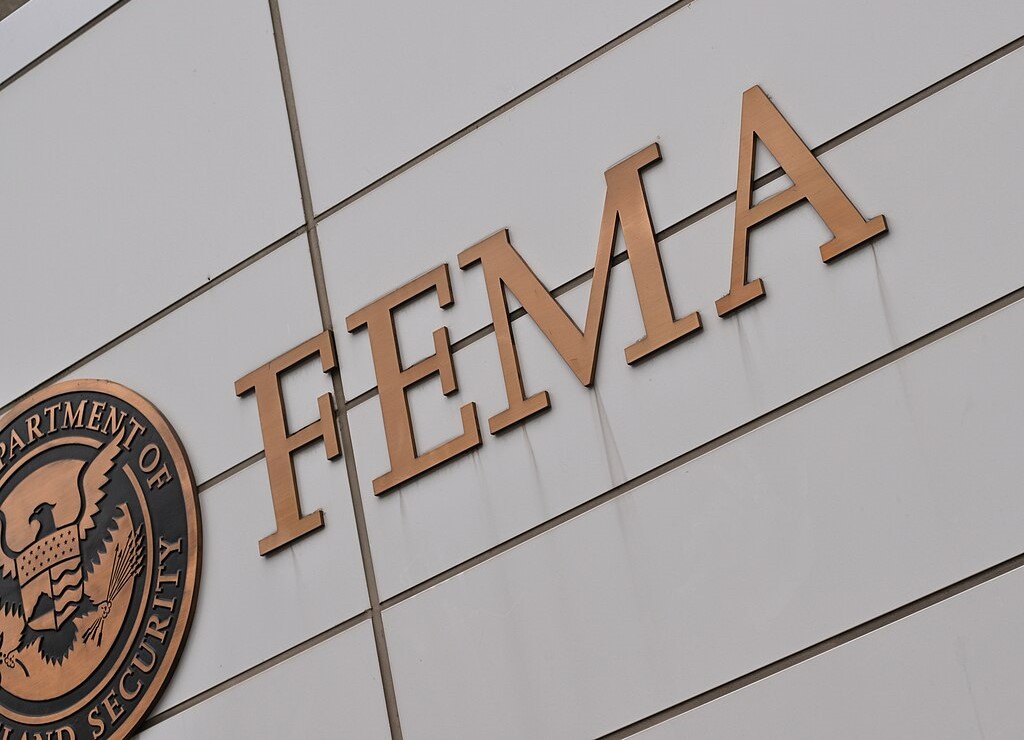
David Richardson, the acting head of the Federal Emergency Management Agency (FEMA), is stepping down only six months into the job, according to the Department of Homeland Security (DHS). His departure comes at a critical time, with the Atlantic hurricane season still underway and the agency facing intense scrutiny.
Richardson, a former Marine Corps officer, is now the second FEMA leader to leave or be removed since May. His tenure was marked by controversy, including criticism for maintaining a low profile during the deadly Texas floods in July that claimed 130 lives. He also raised alarms internally after reportedly stating in June that he was unaware the United States even had a hurricane season.
DHS offered no explanation for Richardson’s sudden exit. The Washington Post first reported the news. A DHS spokesperson announced that Karen Evans, FEMA’s chief of staff, will take over leadership. The agency thanked Richardson for his service despite the turbulence surrounding his time in office.
Richardson’s predecessor was fired earlier this year for resisting Trump administration efforts to reduce FEMA’s size and shift more responsibilities to state governments. President Donald Trump has repeatedly expressed his desire to scale back the federal agency, arguing that states can manage many disaster-response functions on their own.
Despite FEMA’s central role in responding to major emergencies like hurricanes, Richardson kept an unusually low public profile compared with previous FEMA leaders. Homeland Security Secretary Kristi Noem has instead become the administration’s primary spokesperson on natural disaster response during Trump’s second term.
Richardson’s departure caps a rocky tenure that began with aggressive rhetoric. Upon taking office in May, he warned employees he would “run right over” anyone resisting organizational changes and declared that all decisions must go through him.
The agency has also been shrinking. According to a September Government Accountability Office report, FEMA has lost roughly 2,500 employees since January through buyouts, firings, and incentives to leave, reducing the workforce to about 23,350. These cuts are part of the administration’s broader plan to reduce federal staffing and costs.
This leadership shake-up leaves FEMA navigating disaster season with fewer resources and continued uncertainty about its future direction.







