


 SpaceX Starship Explodes in Texas During Test, Citing Nitrogen Tank Failure
  Eli Lilly’s Inluriyo Gains FDA Approval for Advanced Breast Cancer Treatment
  CDC Vaccine Review Sparks Controversy Over Thimerosal Study Citation
  Trump Signs Executive Order to Boost AI Research in Childhood Cancer
  NASA Resumes Cygnus XL Cargo Docking with Space Station After Software Fix
  FDA Pilot Program Eases Rules for Nicotine Pouch Makers
  Astronomers have discovered another puzzling interstellar object − this third one is big, bright and fast
  Neuralink Plans High-Volume Brain Implant Production and Fully Automated Surgery by 2026
  Blue Origin’s New Glenn Achieves Breakthrough Success With First NASA Mission
  Is space worth the cost? Accounting experts say its value can’t be found in spreadsheets
  Lost in space: MethaneSat failed just as NZ was to take over mission control – here’s what we need to know now
  SpaceX’s Starship Completes 11th Test Flight, Paving Way for Moon and Mars Missions
  NASA Astronauts Wilmore and Williams Recover After Boeing Starliner Delay


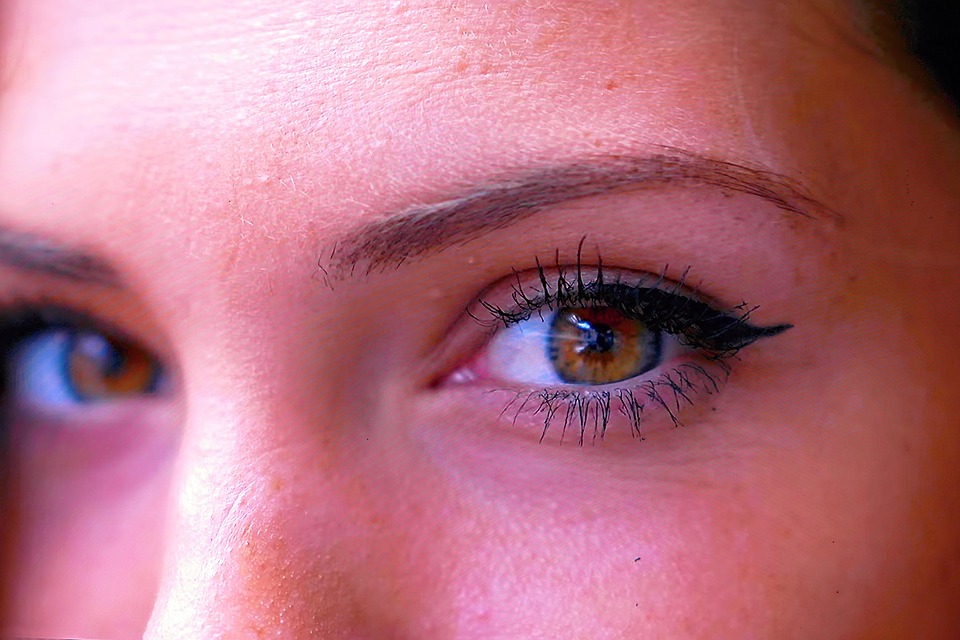
The human eyebrows are often two of the most underrated and yet essential physical aspects of a person’s appearance that influences interactions. For example, a unibrow can often result in mockery and the same goes for having barely any eyebrows. According to a recent study, however, these thin patches of hair on top of people’s eyes might have had a more practical function in the past that helped early humans survive.
Published in the journal, Nature: Ecology & Evolution, the study notes how the ability of humans to communicate using only eyebrow movements has been crucial in getting messages across without uttering a sound. Of course, most people are already aware of the fact that they can convey certain points using even subtle shifts in eyebrow placement and shapes, including anger and fear.
“As browridge morphology in this fossil is not driven by spatial and mechanical requirements alone, the role of the supraorbital region in social communication is a potentially significant factor. We propose that conversion of the large browridges of our immediate ancestors to a more vertical frontal bone in modern humans allowed highly mobile eyebrows to display subtle affiliative emotions,” the paper reads.
Translation: humans developed agile eyebrow movements to communicate without talking. Just for some context, modern-day humans who are scientifically known as Homo sapiens were higher up on the evolutionary scale with regards to this point since other species such as Neanderthals and Denisovans likely didn’t have such agile eyebrows, Big Think points out.
In terms of survival, the simple fact that one species is here and every other one is not can be taken as suggestive evidence of how Homo sapiens had an evolutionary advantage in the form of the brow. Of course, there were many other factors that likely led to the extinction of the other species of humans. Then again, perhaps they plucked their eyebrows a little too often?













