


 Asian Currencies Mixed as Aussie Dollar Rises on Hot Inflation
  Nvidia Options Price in $280 Billion Earnings Swing
  Parasites are ecological dark matter – and they need protecting
  As the Black Summer megafires neared, people rallied to save wildlife and domestic animals. But it came at a real cost
  US Stocks Finish Flat as Inflation Data, Nvidia Earnings Keep Investors Cautious
  Lake beds are rich environmental records — studying them reveals much about a place’s history
  Oil Prices Fall as Middle East Ceasefire Hopes Rise
  Asian Energy Stocks Slide as Iran-Oman Hormuz Talks Pressure Oil Prices
  Trump Administration Plans New Drug Pricing Deals With Biotech Firms
  Nvidia Reportedly Eyes $13 Billion Hugging Face Acquisition
  BOJ’s Himino Signals Timely Rate Hikes as Inflation Risks Rise
  Rise of the Zombie Bugs takes readers on a jaw-dropping tour of the parasite world
  U.S. Probes Apex Logistics Over Nvidia AI Chip Shipments to China
  HP Stock Drops 9% Despite Q3 Earnings Beat and Raised 2026 Outlook
  Gold Prices Hover Near Three-Month High as Oil, Treasury Yields Fall
  OpenAI Data Center Chief Chris Malone Exits Ahead of Planned 2027 Listing


 Add as a preferred source on Google
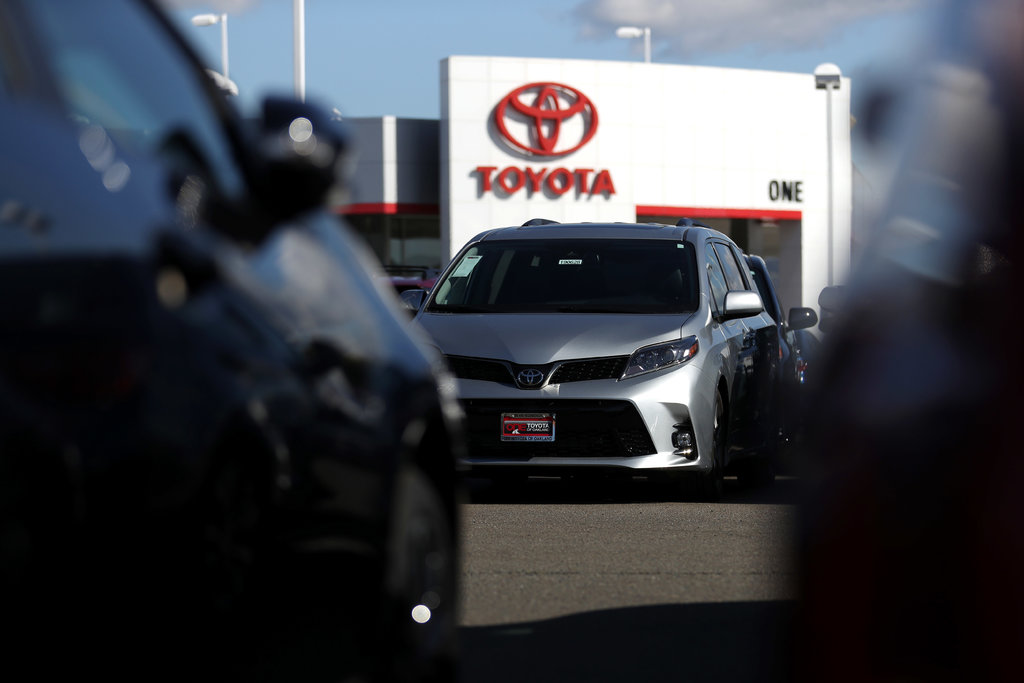
The world's top-selling carmaker Toyota and US-European firm Stellantis ranked last among Greenpeace's list of 10 auto firms in terms of carbon emission efforts, published Thursday during the COP26 climate summit.
Greenpeace gave Toyota and Stellantis "F minus minus" grades for decarbonization efforts, including phasing out engines that burn fossil fuels.
The factors examined in the report were minimizing carbon emissions in the supply chain and reusing or developing greener technology for car batteries.
General Motors got the least damning C- grade, followed by Volkswagen's D and Renault D-.
All others, including Ford, Honda, and Hyundai-Kia, were given F plus or minus.
Ada Kong, senior project manager of Greenpeace East Asia's auto industry campaign, described Japan's Toyota as the "most stubborn" in holding onto internal combustion engines.
Kong added that Toyota is also "most vocal in such advocacy, domestically and abroad."
Toyota said in September that it would invest 1.5 trillion yen in batteries for electric and hybrid cars by 2030.
The report said that some Japanese companies, such as Toyota, consider hybrid technology an effective alternative to the internal combustion engine, but not as good as expected. It noted that plug-in hybrids only reduce emissions by around one-third, compared with petrol or diesel cars.
Greenpeace said that since none of the 10 auto firms had announced plans to phase out combustion engines before 2035, the 1.5-degree goal is "almost impossible".
The assessment came as world leaders met in Glasgow this week as part of the COP26 climate conference.







