


 Dubai’s connectivity remains strong in an uncertain world
  Tencent Launches TenPayGo Payment App for Foreign Tourists in China
  SpaceXAI to Double Nvidia Chips at Colossus 2 by Year-End
  Former OpenAI Data Center Chief Chris Malone Joins Nvidia
  Solidigm Eyes $150 Billion IPO as SK Hynix Expands AI Storage Push
  DaVoice Sues Perplexity AI Over Trade Secrets
  US Northeast Airports Resume Operations After Telecom Outage Disrupts Thousands of Flights
  Scott Bessent Eyed as Trump’s New AI Czar
  BlackBerry Shares Rise as Q2 Earnings, Revenue Beat Estimates
  Oracle Shares Fall as New Mexico AI Data Center Faces Power Delays
  OpenAI to Preview GPT-6 Cyber AI Model for Cybersecurity
  Meta Unveils Muse Charm AI Device, Expands Smart Glasses Lineup
  FDA Approves Mirum’s Atebrioz for Rare Bone Disorder FOP
  TikTok Reaches $100 Million Alabama Settlement Over Child Safety Claims
  SoftBank Raises $11.1 Billion in Bond Sale to Fund OpenAI Investment
  SMBC Eyes 20% VPBank Stake in Vietnam Expansion
  Erste Group Plans Tender Offer to Boost Poland Bank Stake


 Add as a preferred source on Google
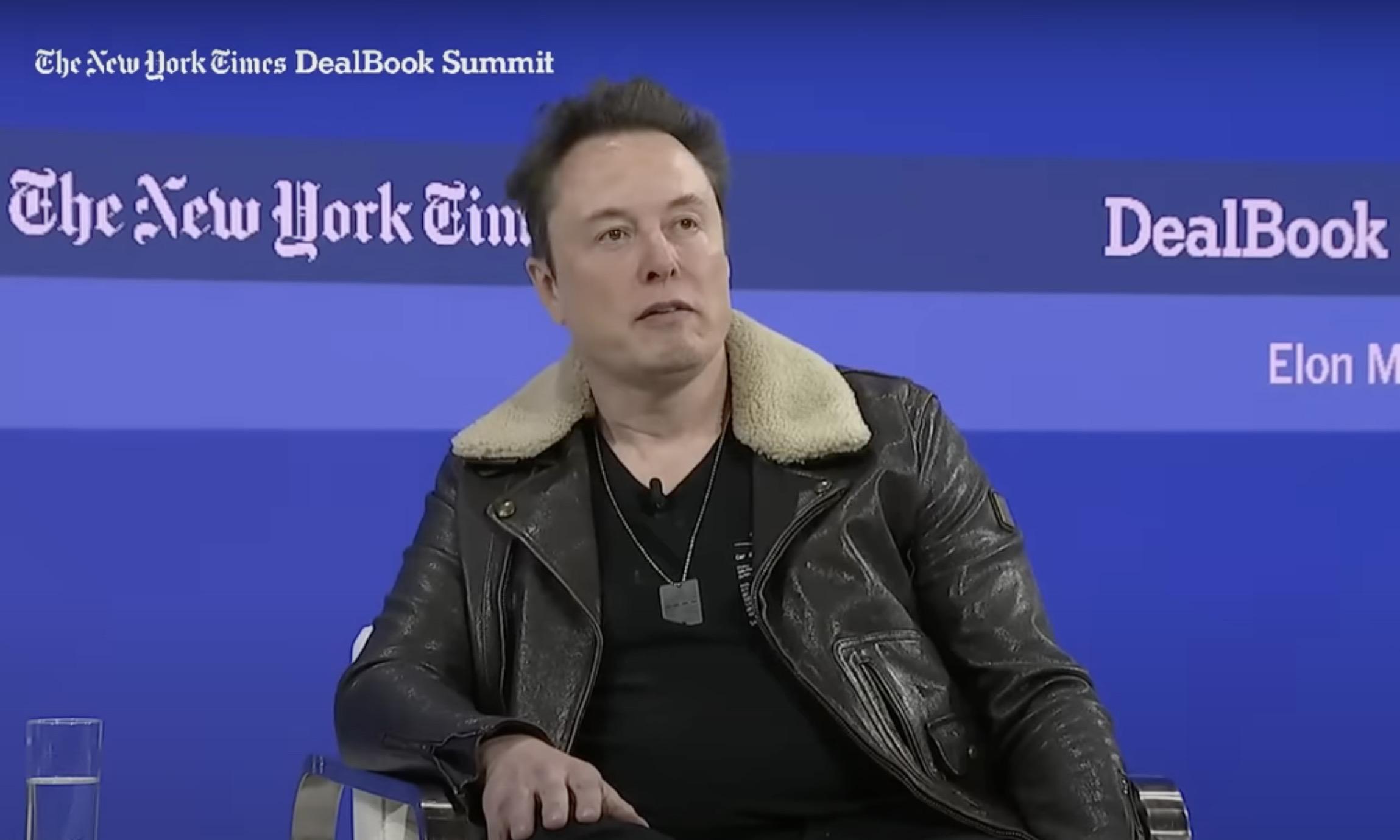
Tesla CEO Elon Musk is making headlines with a double play in China: securing critical navigation data from Baidu and engaging in strategic talks with CATL. These moves underline Tesla's push to lead in global tech and automotive innovation.
Strategic Alliance: Tesla Gains Edge with Baidu’s Navigation Data
According to two people familiar with the subject, Baidu, China's largest internet search business, has signed an arrangement with Tesla to provide the auto company access to its mapping license for data collection on China's public roadways.
Sources told Reuters (via US News) that the agreement removes a final regulatory hurdle for Tesla's driver assistance system, Full Self Driving (FSD), to be available in China.
According to the terms of the agreement, Baidu will give Tesla its lane-level navigation system.
High-Level Talks Highlight Tesla’s Commitment to China Market
Meanwhile, Robin Zeng, the chairman of Chinese battery giant CATL, visited Elon Musk's hotel in Beijing on Monday, a day after the Tesla CEO's surprise arrival on a trip believed to include talks about implementing self-driving software.
MSN reported that Musk landed in the Chinese capital on Sunday. According to a person familiar with the situation, he was anticipated to discuss the distribution of Full Self-Driving (FSD) software and permission to export driving data outside.
After landing, he met Chinese Premier Li Qiang, the organizer of the ongoing Beijing car show, but he has yet to reveal the details of his other scheduled engagements.
On Monday morning, CATL Chairman Zeng was seen entering an elevator in Musk's hotel lobby, where he was greeted by two top Tesla China executives, Tom Zhu and Grace Tao, according to Reuters. Reuters could not immediately confirm with CATL whether Zeng had met with Musk.
In answer to a question about X, Musk stated last month that Tesla may make FSD available to consumers in China "very soon."
The American electric car manufacturer released FSD, the most autonomous version of its Autopilot software, four years ago but has yet to make it available in China, its second-largest market globally, despite consumer demand.
Wedbush equity analysts described the surprise visit as "a major moment for Tesla."
Rival Chinese automakers like Xpeng have attempted to gain an advantage against Tesla by releasing identical software.
Since 2021, Tesla has maintained all data acquired by its Chinese fleet in Shanghai, as required by Chinese regulators, and has not moved any of it back to the US.
According to the individual, Musk is seeking permission to transfer data acquired in the country to train algorithms for its self-driving systems.
Reuters originally reported that Musk's visit to China had not been officially announced. The source spoke anonymously because they were not authorized to speak with the media. Tesla did not reply to calls for comment.







