


 SpaceX Pushes for Early Stock Index Inclusion Ahead of Potential Record-Breaking IPO
  Alphabet’s Massive AI Spending Surge Signals Confidence in Google’s Growth Engine
  Uber Ordered to Pay $8.5 Million in Bellwether Sexual Assault Lawsuit
  Trump Signs Executive Order Threatening 25% Tariffs on Countries Trading With Iran
  AMD Shares Slide Despite Earnings Beat as Cautious Revenue Outlook Weighs on Stock
  Rio Tinto Shares Hit Record High After Ending Glencore Merger Talks
  Japan Election 2026: Sanae Takaichi Poised for Landslide Win Despite Record Snowfall
  Trump Backs Nexstar–Tegna Merger Amid Shifting U.S. Media Landscape
  TrumpRx Website Launches to Offer Discounted Prescription Drugs for Cash-Paying Americans
  Jensen Huang Urges Taiwan Suppliers to Boost AI Chip Production Amid Surging Demand
  Sony Q3 Profit Jumps on Gaming and Image Sensors, Full-Year Outlook Raised
  CK Hutchison Launches Arbitration After Panama Court Revokes Canal Port Licences
  Tencent Shares Slide After WeChat Restricts YuanBao AI Promotional Links
  Global PC Makers Eye Chinese Memory Chip Suppliers Amid Ongoing Supply Crunch
  U.S. to Begin Paying UN Dues as Financial Crisis Spurs Push for Reforms
  Missouri Judge Dismisses Lawsuit Challenging Starbucks’ Diversity and Inclusion Policies
  Instagram Outage Disrupts Thousands of U.S. Users


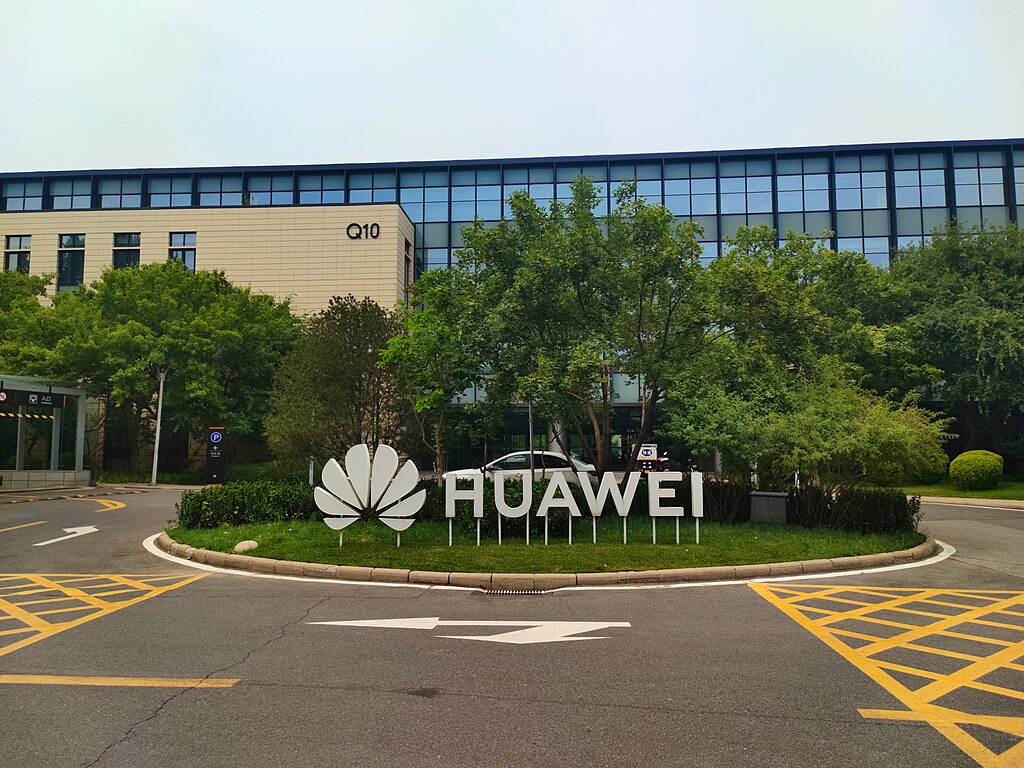
China’s telecom giants Huawei and ZTE have secured several 5G equipment contracts in Vietnam this year, signalling closer ties between Hanoi and Beijing and triggering concern among Western officials, according to multiple sources familiar with the matter. Vietnam, which for years avoided Chinese technology in critical infrastructure due to security worries, appears to be shifting its approach as relations with China warm and tensions with the United States rise over new tariffs on Vietnamese exports.
While Ericsson, Nokia and U.S. chipmaker Qualcomm continue to supply Vietnam’s core 5G infrastructure, Chinese companies are increasingly winning smaller state-owned operator tenders. Procurement data shows a Huawei-led consortium secured a $23 million contract in April—just weeks after the White House announced tariffs on Vietnamese goods. ZTE has also obtained over $20 million in antenna contracts, with its first publicly disclosed win occurring in September after the tariffs took effect. Although no direct link to U.S. trade measures has been established, the timing has raised diplomatic concerns.
Washington has long viewed the exclusion of Chinese contractors from Vietnam’s digital backbone—such as undersea cables and 5G networks—as a key condition for cooperation on advanced technologies. Huawei and ZTE remain banned from U.S. telecom networks over national security risks, and several European countries enforce similar restrictions. Western diplomats in Hanoi have recently held discussions about the implications of Vietnam’s deals with Chinese suppliers, warning that the partnerships could weaken trust in Vietnam’s digital security and limit access to U.S. technology.
Vietnam’s evolving stance reflects broader geopolitical and economic pressures. Despite Huawei losing several bids this year, it continues collaborating on technical services and recently signed a 5G technology transfer agreement with Viettel, Vietnam’s military-owned telecom operator. Analysts note that Chinese equipment, often cheaper, may appeal to Vietnam as it deepens economic integration with China.
Still, experts warn that mixing Western and Chinese 5G components increases security risks, as equipment suppliers may gain access to sensitive network data. The situation underscores the delicate balance Vietnam faces as it navigates competition between global powers while advancing its digital infrastructure.













