


 U.S. Treasury Yields Surge as 30-Year Hits 22-Year High
  EQT Plans €1.7 Billion Sale of Parques Reunidos Stake
  Trump Signs Order to Cut Routine Childhood Vaccines
  Canadian Dollar Faces Pressure as Fed-BoC Policy Gap Widens
  Oracle Shares Fall as New Mexico AI Data Center Faces Power Delays
  OpenAI to Preview GPT-6 Cyber AI Model for Cybersecurity
  Is space worth the cost? Accounting experts say its value can’t be found in spreadsheets
  SpaceX’s Starship Completes 11th Test Flight, Paving Way for Moon and Mars Missions
  Hanmi Pharm Soars 30% on $2.3 Billion Genentech Obesity Drug Deal
  Venezuela Earthquake Health Risks Rise as Disease Monitoring Intensifies
  Erste Group Plans Tender Offer to Boost Poland Bank Stake
  Trump Administration to Launch Autism Initiatives Targeting Acetaminophen Use and New Treatment Options
  Mexico-US Trade Talks Delayed to October as Tariff Negotiations Continue
  Akamai Shares Surge on $11.6B Anthropic AI Cloud Deal
  Blue Origin New Glenn Explosion Could Delay Launch Operations Until 2028
  Neuralink Expands Brain Implant Trials with 12 Global Patients
  Dollar Holds Near Two-Month High as Yen Approaches 160


 Add as a preferred source on Google
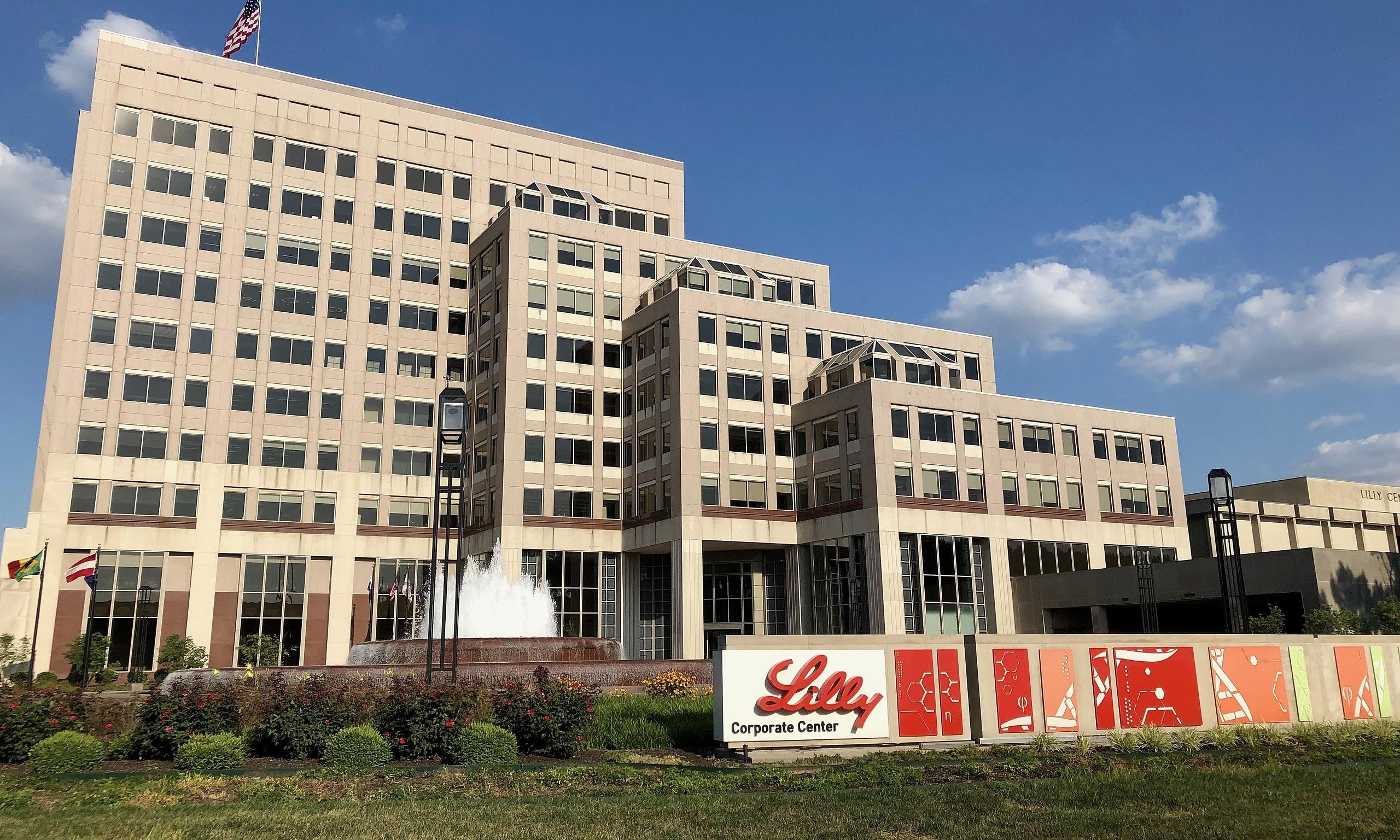
Researchers reveal Eli Lilly's experimental Alzheimer's drug, donanemab, can potentially slow the disease progression by about four to seven months. Results from a 1,700-patient study published in the Journal of the American Medical Association indicate the treatment could be the second proven to effectively delay Alzheimer's after the recent approval of Leqembi.
In May, Lilly announced that donanemab appeared to be effective. However, on Monday, the Journal of the American Medical Association published the full results of a study involving 1,700 patients, also presented at the Alzheimer's conference.
Both donanemab and Leqembi are lab-made antibodies, administered intravenously, that target sticky amyloid buildup in the brain—a key factor in Alzheimer's. However, both drugs present a serious safety concern: brain swelling or bleeding. In Lilly's study, this adverse reaction was linked to three deaths.
Approximately 25% of donanemab recipients experienced swelling, and about 20% had microbleeds. An additional concern is that over 90% of the study participants were white, so there is little data on how other populations might respond to the treatment, as noted by Alzheimer's specialist Jennifer Manly of Columbia University.
Lilly's study included individuals aged 60 to 85 in the early stages of Alzheimer's. Half of the participants received once-a-month infusions of donanemab, while the other half received placebo infusions for 18 months.
Participants were switched to a placebo if enough amyloid was cleared out, which occurred in about half of the participants within a year. Additionally, levels of abnormal tau, another culprit in the brain, were tracked since amyloid alone does not cause Alzheimer's. Higher tau levels indicate more advanced disease.
The results showed that both groups declined during the 18-month study. However, those given donanemab experienced a slower decline of about 22%. Some patients fared even better—those with low to medium tau levels experienced a 35% slower decline, suggesting that the drug is more effective in the early stages of the disease. This means that donanemab could potentially delay the worsening of patients by approximately four to seven months, according to a report published in JAMA.
Another way to measure the effectiveness of donanemab is that, among recipients with lower tau levels, 47% remained stable after one year of the study, compared to only 29% of those who received the placebo version.
It is already known that patients receiving any amyloid-targeted therapy require repeated brain scans to monitor for potential side effects, which is costly and time-consuming. This research provides promising insights into the potential benefits of donanemab for Alzheimer's patients, but further studies are needed to understand its efficacy and safety profile better.








