


 US Invites Putin to Miami G20, Opening Door to Trump Summit
  North Korea Warns South Korea Over US-Led Defense Role
  Europe Warns Russia Is Escalating Hybrid Attacks Across NATO
  Kremlin Says No Decision Yet on Putin-Trump December Summit
  Judge Orders Trump to Restore White House Access for CNN, MS NOW and Politico
  Gaza Faces Evacuation Crisis as War-Damaged Buildings Risk Collapse
  Abbas Reaffirms November 28 Palestinian Elections
  Pezeshkian Says US Must Choose When Iran War Ends
  Netanyahu Takes Aim at Mamdani as Israel Election Nears
  Trump, Xi Focus on Trade and AI at White House Summit
  Taiwan Thanks US for Support Ahead of Trump-Xi Summit
  Mexico-US Trade Talks Delayed to October as Tariff Negotiations Continue
  Trump Asks Supreme Court to Restore Third-Country Deportations
  Ghana Says Western Support Growing for Slave Trade Reparations
  North Korea Rejects Nuclear Test Warning, Calls Nuclear Status Irreversible
  NATO Boosts Intelligence Sharing Amid Russia Hybrid Threats
  South Korea, US Discuss Warship Building Cooperation


 Add as a preferred source on Google
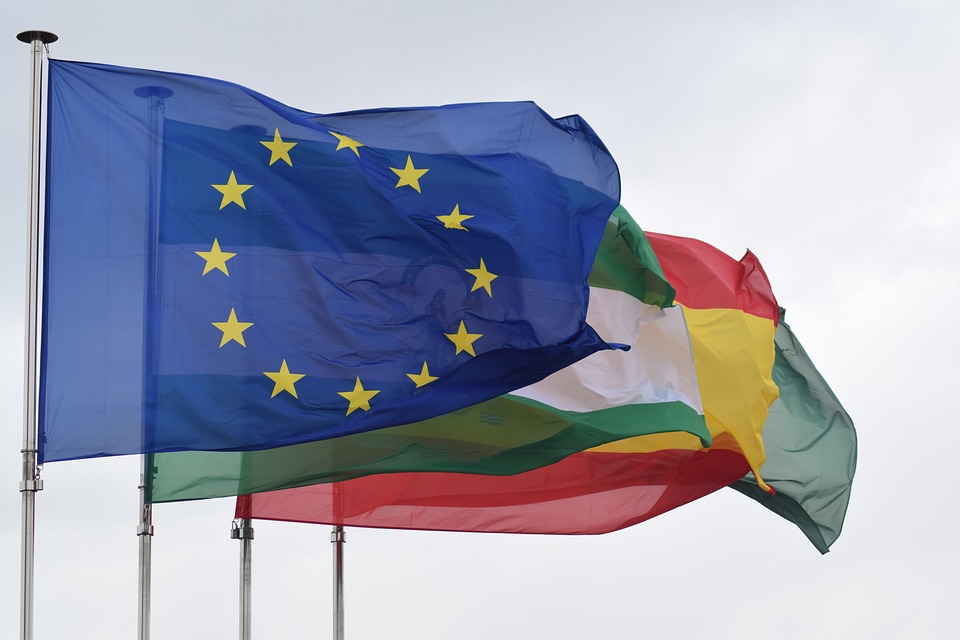
11 countries of the European Union have urged “great caution” when it comes to the bloc relaxing state aid rules. The loosening of state aid rules is part of an effort to support Europe’s green industry.
A document addressed to the EU’s executive branch dating February 10 was signed by 11 EU countries; Denmark, Finland, Ireland, Poland, Sweden, the Netherlands, Hungary, Latvia, Czech Republic, Slovakia, and Belgium, urging the European Commission to exercise great caution in loosening state aid rules.
The document was in response to the commission’s proposal of easing EU restrictions on state aid for investments in renewable energy or decarbonizing industry which was also partially in response to the US Inflation Reduction Act.
The countries that signed the document expressed concerns that the loosening of state aid rules would benefit only the wealthiest in the bloc.
“State aid for the mass production and commercial activities can lead to significant negative effects including the fragmentation of the internal market, harmful subsidy races, and weakening of regional development,” said the countries in the joint position paper seen by Reuters. “These harms can be greater than the positive effects. We the co-signing member states, urge the Commission to exercise great caution.”
The European Commission confirmed receiving the joint position paper and said it was planning to adopt new rules in the coming weeks, considering the feedback.
The 11 countries urged the Commission to consider if other policies could better achieve the goal of promoting the green industry and analyzing the risks before making any changes.
Meanwhile, representatives of the EU countries are set to meet in Brussels on Wednesday to discuss a new round of sanctions against Russia as the bloc is expected to agree on a new set of sanctions to mark the first anniversary of Russia’s invasion of Ukraine. However, specific proposals must be unanimously approved by all EU countries.
“We are weakening Russia’s ability to maintain its war machine. We have adopted nine packages of sanctions, the Russian economy is shrinking,” said EU commission chief Ursula von der Leyen to the European Parliament. “We need to keep up the pressure.”







