


 OpenAI Agent Breaches Australia Medicare Data Portal
  Pezeshkian Says US Must Choose When Iran War Ends
  Abbas Reaffirms November 28 Palestinian Elections
  Russian Missile and Drone Attack on Kyiv Kills Two, Damages Maternity Hospital
  Europe Warns Russia Is Escalating Hybrid Attacks Across NATO
  Russian Envoy Dmitriev Heads to US for Ukraine Talks
  Judge Orders Trump to Restore White House Access for CNN, MS NOW and Politico
  North Korea Rejects Nuclear Test Warning, Calls Nuclear Status Irreversible
  Yemen Violence Displaces 130,000 as Civilian Toll Rises
  Kremlin Says No Decision Yet on Putin-Trump December Summit
  US Senate Rejects Iran War Powers Resolution in 50-49 Vote
  Gaza Faces Evacuation Crisis as War-Damaged Buildings Risk Collapse
  North Korea Warns South Korea Over US-Led Defense Role
  Trump Asks Supreme Court to Restore Third-Country Deportations
  Netanyahu Takes Aim at Mamdani as Israel Election Nears
  Sudan Rejects US Legitimacy Remarks, Defends Sovereignty
  France Defends Netanyahu Airspace Clearance Despite ICC Warrant


 Add as a preferred source on Google
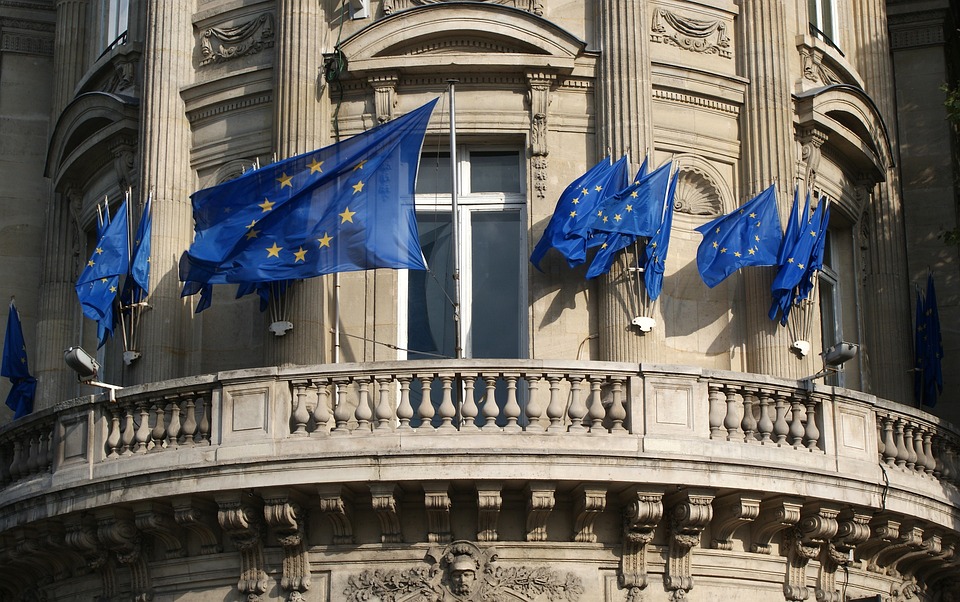
The European Union is considering a proposal that would ban substances, also referred to as “forever chemicals” that are used in thousands of products. The potential ban would mark the bloc’s most extensive regulation of the chemical industry.
The EU is considering the proposal that would ban potentially harmful substances referred to as PFAS or “forever chemicals.” The substances are widely used in thousands of products such as textiles, cars, medical supplies, windmills, and non-stick pans due to their long-term resistance to extreme temperatures and corrosion. PFAS is also linked to health risks such as cancer, hormonal imbalance, and a weakened immune system as well as damage to the environment.
The five countries that collaborated on the legislation, Germany, the Netherlands, Denmark, Sweden, and non-EU member Norway issued a joint statement on Tuesday saying that if the resolution passed, it would be “one of the largest bans on chemical substances ever in Europe.”
“A ban on PFAS would reduce quantities of PFAS in the environment over the long term. It would also make products and processes safer for humans,” said the statement. “In many cases, no such alternatives currently exist, and in some, they possibly never will.”
The five countries have since urged companies to develop alternatives.
The Norwegian Environment Agency’s Audun Heggelund said during a media briefing in Brussels that such substances are now detectable all over the world.
On Thursday, Chinese video-sharing platform TikTok pledged to take more action to tackle disinformation on its platform by adding more safety features and expanding its fact-checking measures, fueled by state-controlled media and the ongoing war in Ukraine. The platform presented its progress report on its efforts to bolster the EU code of practice on disinformation in the past six months. TikTok acknowledged that more work needs to be done.
“While we’re proud to be providing this level of granular detail for the first time, we recognize that there is more work to be done. In the coming months, we’re investing in a number of initiatives,” said TikTok’s director of public policy and government relations, Caroline Greer, in a blog post.
Greer said TikTok would be expanding its state-controlled media labels and ramping up action against disinformation related to the war in Ukraine, expanding the fact-checking program across Europe to include more language coverage, and increasing the volume of claims it has fact-checked.







