


 Neuralink Plans High-Volume Brain Implant Production and Fully Automated Surgery by 2026
  Golden Dome Missile Defense: Anduril and Palantir Join Forces on Trump's $185B Space Shield
  SMIC Allegedly Supplies Chipmaking Tools to Iran's Military, U.S. Officials Warn
  Tabletop particle accelerator could transform medicine and materials science
  Trump Signs Executive Order to Boost AI Research in Childhood Cancer
  NASA's Artemis II Crew Arrives in Florida for Historic Moon Mission
  Nintendo Switch 2 Production Cut as Holiday Sales Miss Targets
  Is space worth the cost? Accounting experts say its value can’t be found in spreadsheets
  Reflection AI Eyes $25 Billion Valuation in Massive $2.5 Billion Funding Round
  Trump and Merck KGaA Partner to Slash IVF Drug Costs and Expand Fertility Coverage
  Cybersecurity Stocks Tumble After Anthropic's Claude Mythos AI Leak Sparks Market Fears
  NVIDIA's Feynman AI Chip May Face Redesign Amid TSMC Capacity Crunch
  Neuren Pharmaceuticals Surges on U.S. Patent Win for Rare Disorder Drug
  Astronomers have discovered another puzzling interstellar object − this third one is big, bright and fast
  SpaceX IPO Filing Expected This Week as Valuation Could Surpass $75 Billion


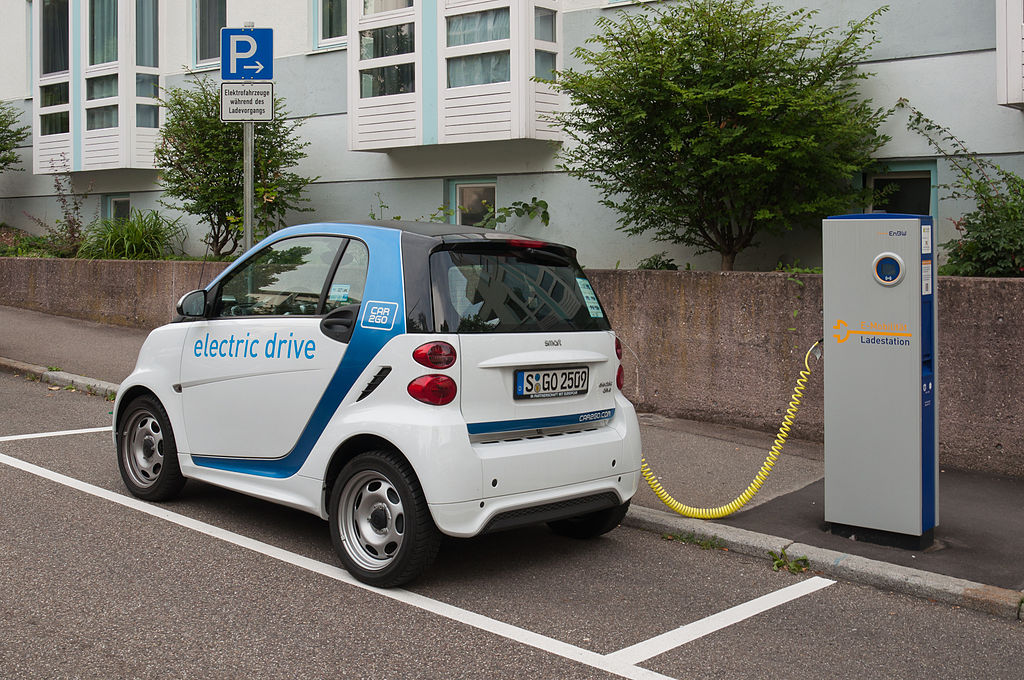
It seems there is one more reason to get an electric car other than to protect the environment. According to researchers, vehicles running on electricity can also power buildings without suffering battery drain or degradation. The secret seems to rely on the creation of a smart grid, which involves regulating power output and consumption within a given ecosystem.
The findings are a result of a two-year research program by a team from the University of Warwick, with Dr. Kotub Uddin in the lead. According to the press release pertaining to the study, the so-called “Smart Grid” is calculated to draw just enough energy from the electric vehicles to power entire buildings without negatively impacting the batteries.
“These findings reinforce the attractiveness of vehicle-to-grid technologies to automotive Original Equipment Manufacturers: not only is vehicle-to-grid an effective solution for grid support – and subsequently a tidy revenue stream - but we have shown that there is a real possibility of extending the lifetime of traction batteries in tandem,” Dr. Uddin said about the research. “The results are also appealing to policy makers interested in grid decarbonisation.”
What really makes this development so amazing is the fact that it can actually improve the battery life of the vehicles that use giant Li-ion units by up to 10 percent. As a result, there is practically no downside to using this system if it actually works as the researchers claim.
The subject of their test included the International Digital Laboratory on the University campus. The targets of the experiment were the staff quarters, the auditorium, which seats 100 people, laboratories, and meeting rooms. The researchers wanted to power all of these chambers using just the parked electric cars that they were drawing power from, Futurism notes.
The result was a huge success and this is by using only about 2.1 percent of the total number of cars on campus grounds. If that number were higher, the vehicles could potentially power every single building inside the University.







