


 RBA Expected to Raise Interest Rates by 25 Basis Points in February, ANZ Forecast Says
  Bank of Japan Signals Cautious Path Toward Further Rate Hikes Amid Yen Weakness
  Global Markets Slide as AI, Crypto, and Precious Metals Face Heightened Volatility
  U.S.-India Trade Framework Signals Major Shift in Tariffs, Energy, and Supply Chains
  Silver Prices Plunge in Asian Trade as Dollar Strength Triggers Fresh Precious Metals Sell-Off
  ECB’s Cipollone Backs Digital Euro as Europe Pushes for Payment System Independence
  Dollar Steadies Ahead of ECB and BoE Decisions as Markets Turn Risk-Off
  Jerome Powell Attends Supreme Court Hearing on Trump Effort to Fire Fed Governor, Calling It Historic
  Why Trump’s new pick for Fed chair hit gold and silver markets – for good reasons
  U.S. Stock Futures Slide as Tech Rout Deepens on Amazon Capex Shock
  Singapore Budget 2026 Set for Fiscal Prudence as Growth Remains Resilient
  Bank of England Expected to Hold Interest Rates at 3.75% as Inflation Remains Elevated
  South Korea’s Weak Won Struggles as Retail Investors Pour Money Into U.S. Stocks
  Trump Lifts 25% Tariff on Indian Goods in Strategic U.S.–India Trade and Energy Deal


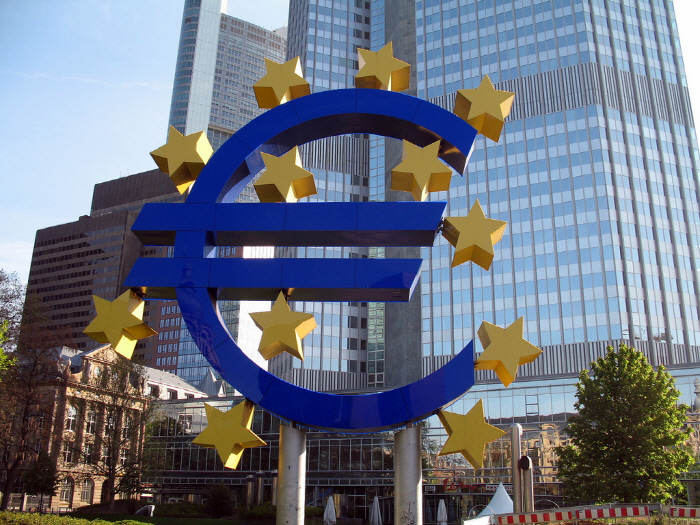
The European Central Bank (ECB) faces a complicated decision at its upcoming June meeting, as policymakers weigh inflation risks stemming from U.S. tariffs, Dutch central bank governor Klaas Knot said in an interview with Dutch financial daily FD.
"In the short term, it's 100% clear that the demand shock will dominate, so inflation will go down," Knot explained, referring to the impact of tariffs imposed by U.S. President Donald Trump. However, he cautioned that inflation risks over the medium to long term are "definitely two-sided," making the June policy discussion especially challenging.
Knot’s comments reflect growing complexity for the ECB as it prepares to update its economic forecasts during the June 4 meeting. Recent signals suggest that while policymakers are increasingly confident about cutting interest rates further as inflation continues to decline, they are cautious about making aggressive moves. Six sources told Reuters last week that many ECB governors are leaning toward another modest 25 basis point rate cut, following this month’s reduction that brought the benchmark rate down to 2.25%.
The evolving inflation landscape, influenced by external shocks like U.S. tariffs, adds a new layer of uncertainty to the ECB's cautious approach. While short-term deflationary pressures dominate, policymakers must also remain vigilant about potential upward inflationary risks over the longer term.
Knot’s remarks underline the delicate balancing act the ECB must perform as it navigates conflicting inflation signals while striving to support economic stability across the eurozone.













