


 Macron, Trump Discuss Ukraine-Russia Energy Strike Moratorium
  US Officials Split Over Response to Israeli West Bank Settlements
  Trump Board of Peace Unveils $2.45 Billion Gaza Recovery Plan
  Scott Bessent Eyed as Trump’s New AI Czar
  Russian Strikes Kill Eight Across Ukraine as Energy Sites Hit
  Russian Envoy Dmitriev Heads to US for Ukraine Talks
  Trump Says ‘Freedom’ Is Coming to Cuba
  US Invites Putin to Miami G20, Opening Door to Trump Summit
  China Tightens Fentanyl Rules Ahead of Trump-Xi Summit
  Lula and Flavio Bolsonaro Tied in Brazil Runoff Poll
  Canada Unveils Bill to Fast-Track Major Resource Projects
  Gaza Faces Evacuation Crisis as War-Damaged Buildings Risk Collapse
  Vietnam, US Trade Deal Could Be Signed Soon, To Lam Says
  Iran Vows ‘Crushing’ Response as US Talks Continue
  Sudan Rejects US Legitimacy Remarks, Defends Sovereignty
  US, China Extend Trade Truce to Jan. 10 Ahead of Trump-Xi Summit
  Kremlin Says No Grounds Yet for Ukraine Peace Talks


 Add as a preferred source on Google
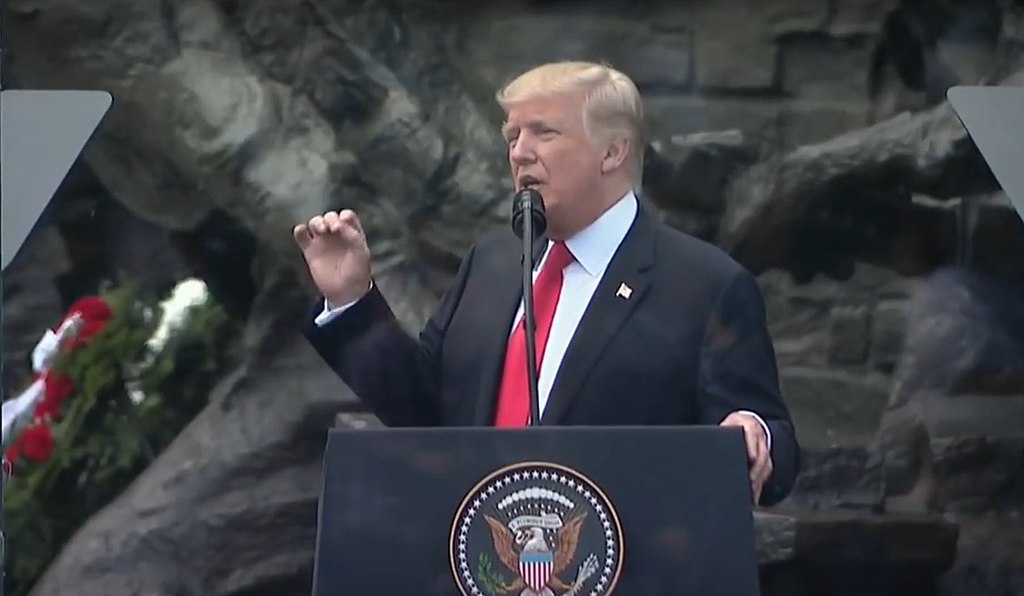
In 2025, Donald Trump’s foreign military engagements are shaping global geopolitics, sparking debate about their effectiveness and long-term consequences. With a focus on reshaping U.S. alliances and addressing global conflicts, Trump’s actions have drawn both praise and criticism as the world watches closely.
Realigning Global Alliances
Trump’s foreign policy in 2025 reflects his focus on realigning U.S. military alliances to better serve American interests. His administration has pushed NATO members to increase defense spending, with mixed success. While some European allies have agreed to bolster their military budgets, others remain hesitant, citing strained diplomatic relations and economic constraints.
In Asia, Trump has strengthened ties with India and Japan to counter China's growing influence in the region. Joint military exercises and expanded arms deals underscore his commitment to reinforcing U.S. presence in the Indo-Pacific. At the same time, he has called for a reduction in U.S. military bases in South Korea, citing cost concerns and a need for regional allies to take on more responsibility.
Critics argue that these moves risk destabilizing established alliances. Experts warn that shifting military commitments could embolden adversaries like China and Russia, while creating uncertainty among long-standing allies.
Managing Global Conflicts
Trump’s military engagements have also included efforts to address ongoing conflicts. The administration has maintained a cautious presence in the Middle East, focusing on counterterrorism operations rather than large-scale interventions. In Iraq and Syria, U.S. forces continue to support local allies in fighting the remnants of ISIS, though troop levels have been reduced.
The administration’s approach to Ukraine has been a point of contention. Trump has limited direct military aid to Kyiv, opting instead for diplomatic measures to encourage a ceasefire with Russia. Critics argue that this strategy undermines Ukraine’s ability to defend itself, while supporters praise the effort to avoid escalating tensions with Moscow.
Elsewhere, Trump has prioritized reducing U.S. involvement in Africa, scaling back operations in regions like the Sahel, where counterterrorism missions have faced logistical and political challenges. This decision has drawn criticism from security experts, who warn it could create a vacuum for extremist groups to expand.
Divided Public Reaction
Trump’s military policies have sparked fierce debate on social media, reflecting a divided public:
- @GlobalPeaceNow: “Trump’s foreign military moves are reckless. Weakening alliances while emboldening adversaries is a recipe for disaster.”
- @AmericaFirst2025: “Finally, a president who puts American interests first. Allies need to step up and do their part.”
- @MilitaryWatchdog: “Pulling back from Africa is a mistake. Extremist groups will exploit this to expand their reach.”
- @IndoPacificFocus: “Strengthening ties with India and Japan is smart. Countering China is key to maintaining global stability.”
- @UkraineDefender: “Limiting aid to Ukraine is a betrayal of democratic values. We should be standing against Russian aggression.”
- @MiddleEastMatters: “Less intervention in the Middle East is long overdue. Focus on diplomacy, not endless wars.”







