


 Trump Says U.S.-Iran Peace Deal Near After UN Talks
  Canada Unveils Bill to Fast-Track Major Resource Projects
  Lula and Flavio Bolsonaro Tied in Brazil Runoff Poll
  South Korea, US Discuss Warship Building Cooperation
  Trump Says ‘Freedom’ Is Coming to Cuba
  Zelenskiy Warns Russia Preparing Major Attack on Ukraine
  China Tightens Fentanyl Rules Ahead of Trump-Xi Summit
  Trump Meets Venezuela’s Delcy Rodriguez at UN Assembly
  Marco Rubio to Meet Russia’s Lavrov in New York
  US Invites Putin to Miami G20, Opening Door to Trump Summit
  Ghana Says Western Support Growing for Slave Trade Reparations
  Scott Bessent Eyed as Trump’s New AI Czar
  Iran Vows ‘Crushing’ Response as US Talks Continue
  Trump Administration Plans Faster FDA Reviews for Smoke-Free Nicotine Products
  US, China Extend Trade Truce to Jan. 10 Ahead of Trump-Xi Summit
  Venezuela Promises Elections as Delcy Rodriguez Pledges Democratic Transition
  Trump to Press Xi on Release of US Nuclear Expert Held in China


 Add as a preferred source on Google
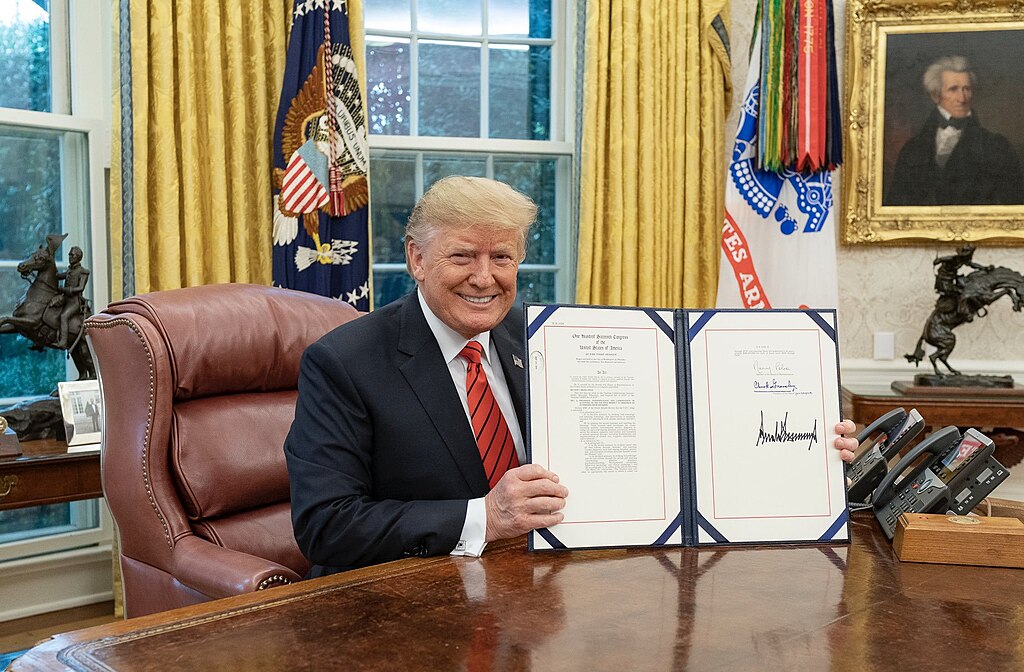
Donald Trump’s 2025 farm policies are stirring significant debate within America’s agricultural sector, with sweeping changes that promise modernization but spark concern among small farmers. As the administration prioritizes deregulation and subsidy restructuring, stakeholders are grappling with the potential impacts on food security, rural livelihoods, and the global agricultural market.
A Push for Deregulation and Market Efficiency
Trump’s administration has emphasized deregulation as a cornerstone of its 2025 farm policy. According to the Department of Agriculture, the president aims to reduce federal oversight in agricultural practices, which he argues will foster innovation and competitiveness. Key measures include relaxing environmental restrictions, streamlining approval processes for genetically modified crops, and revisiting pesticide regulations.
While large-scale producers have welcomed these changes, citing cost savings and increased efficiency, environmental advocates express concern. Critics argue that loosening regulations could harm ecosystems and jeopardize long-term sustainability. Furthermore, opponents suggest that deregulation may favor agribusiness giants, marginalizing small-scale farmers who lack the resources to adapt quickly.
The administration has also shifted its focus toward boosting international exports. In a recent address, Trump highlighted trade deals aimed at opening new markets for U.S. agricultural products, particularly in Asia and the Middle East. These agreements aim to counterbalance China’s growing dominance in global food exports, yet experts caution that trade barriers and geopolitical tensions may limit their effectiveness.
Controversial Cuts to Farm Subsidies
One of the most contentious elements of Trump’s farm policies is the proposed restructuring of federal subsidies. The administration plans to reduce direct payments to farmers while increasing investments in agricultural technology and research. Trump argues that these measures will promote self-reliance and modernize the industry, making American agriculture more competitive globally.
However, critics, including farmer advocacy groups, have labeled the subsidy cuts as a threat to rural stability. According to the National Farmers Union, small and medium-sized farms rely heavily on these payments to offset market volatility and rising operational costs. Without sufficient financial support, some worry that smaller farms could face closures, leaving large corporations to dominate the sector.
Public Reactions Highlight Divisions
The policy shifts have ignited a firestorm of opinions on social media, with netizens expressing both support and skepticism:
- @FarmStrongUSA: “Finally, a president who values efficiency over waste. These policies are what the industry needs to thrive!”
- @EcoWatchNow: “Cutting subsidies while deregulating pesticides? This administration is gambling with our food system and environment.”
- @RuralAdvocate: “Small farmers will bear the brunt of these changes. Rural America deserves better from its leaders.”
- @GlobalAgFocus: “Trump’s trade deals could open new markets, but will they outweigh the damage from subsidy cuts?”
- @GreenFutures: “Short-term gains for agribusiness giants, long-term losses for everyone else. This isn’t progress—it’s destruction.”
- @MarketWatchAgri: “Increased tech investment is great, but who will afford it without subsidies? The future looks bleak for family farms.”







