


 Burnham Eyes UK Leadership Role in AI Ahead of Trump Meeting
  Trump Open to Pezeshkian Meeting as Iran Tensions Escalate
  Trump Sets High-Stakes UN Meetings With Zelenskiy, Gulf Leaders
  ICE Officer Shoots Man in Austin, Sparking Calls for Independent Probe
  Lula Meets Mamdani in New York as Elections Approach
  Trump Scales Back Endangered Species Act Protections
  Canada Unveils Bill to Fast-Track Major Resource Projects
  Trump Administration Prepares Sanctions Against Entire ICC
  Trump-Xi Summit Puts Trade Truce and Taiwan in Focus
  CNN, MS NOW and Politico Sue Trump Over White House Media Ban
  Zelenskiy Meets CIA Chief John Ratcliffe at Ireland’s Shannon Airport
  South Korea to Brief Lawmakers on $350 Billion US Investment Package
  Michelle Bachelet Withdraws From UN Secretary-General Race
  Trump, Iran Trade Threats as Middle East Tensions Escalate
  Paramount-Warner Bros $110 Billion Deal Draws Antitrust Backlash
  Vietnam, US Trade Deal Could Be Signed Soon, To Lam Says
  Diana’s Brother Backs Security for Harry and Meghan


 Add as a preferred source on Google
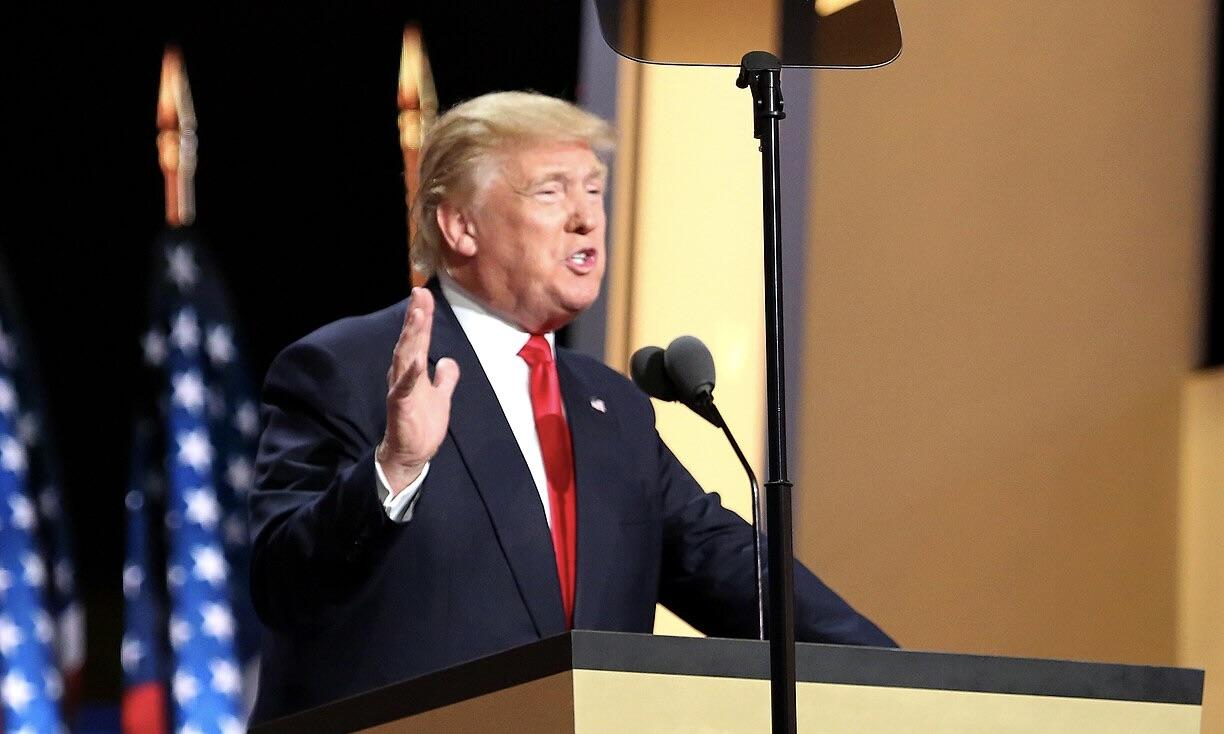
As Donald Trump prepares to step into the presidency once again in 2025, his administration’s energy policies are drawing attention, stirring both optimism and apprehension among key stakeholders. Trump’s latest proposals aim to dismantle regulatory barriers, bolster fossil fuel production, and roll back climate-focused measures introduced by the previous administration. These actions are expected to ignite fierce debate over their environmental and economic implications.
Fossil Fuels Take Center Stage
Central to Trump’s energy strategy is the revival of the fossil fuel industry. His administration is reportedly planning to expand drilling projects on federal lands, reinstate key oil and gas pipeline projects, and reduce federal oversight on energy production. Proponents argue that these moves will create jobs and strengthen America’s energy independence. Critics, however, warn that these policies could exacerbate environmental degradation and climate change, citing the rollback of emission standards as a concerning development.
The administration’s renewed focus on coal has also sparked controversy. While coal production saw a decline in recent years due to market forces and a global shift to renewable energy, Trump’s team is expected to incentivize coal-fired power plants through subsidies and reduced environmental compliance costs. Environmental advocates are already gearing up for legal challenges, warning of the long-term consequences for public health and carbon emissions.
Renewables Face Uncertainty
Trump’s stance on renewable energy remains contentious. While wind and solar industries have seen exponential growth in recent years, Trump has signaled a pivot away from federal support for clean energy initiatives. Tax credits for renewable energy developers could face cuts, potentially slowing the momentum of the green energy sector. Analysts suggest this could shift investment priorities, leading to stagnation in renewable energy deployment despite public demand for cleaner alternatives.
Dismantling Climate Regulations
The administration is expected to target high-profile climate policies enacted under the Biden administration, including the Inflation Reduction Act’s clean energy provisions. Environmental groups have expressed alarm over the potential repeal of initiatives aimed at reducing greenhouse gas emissions. Trump's policies could also jeopardize U.S. participation in global climate accords, further isolating the country from international efforts to combat climate change.
Economic Implications
While Trump's energy agenda is designed to lower domestic energy prices and reduce reliance on foreign oil, experts warn of potential long-term economic risks. Critics argue that favoring fossil fuels over renewables could hinder the U.S. from competing in the burgeoning global clean energy market. Moreover, a reduced emphasis on environmental sustainability could invite sanctions or trade restrictions from international partners committed to aggressive climate goals.
Polarized Reception
As Trump’s energy policies begin to take shape, public opinion is sharply divided. Advocates for deregulation and energy independence hail the proposals as a win for American industry, while environmentalists and climate scientists decry them as a step backward. The clash over Trump’s energy policies is expected to dominate political discourse well into his presidency.







