


 US Eyes Refinery Boost as Trump Seeks Relief From High Gas Prices
  Trump Pauses 50% Canada Tariffs for Three Days as U.S. Trade Deal Takes Shape
  Russia-Ukraine Drone Attacks Escalate as Strikes Hit Moscow, Kyiv and Romania
  Trump Says Iran Should Surrender as Nuclear Deal Talks Stall
  Gérald Darmanin Backs Édouard Philippe for 2027 French Presidential Election
  US CENTCOM Chief Praises USS Abraham Lincoln Crew Amid Mental Health Concerns
  Trump Says Iran Talks Halted as Hormuz Dispute Pushes Oil Higher
  US, South Korea Cut Joint Military Drills as Trump Seeks North Korea Talks
  Israeli Airstrikes Kill 10 Palestinians in Gaza as Ceasefire Diplomacy Stalls
  Trump Eyes 15% Tariff on Canadian Auto Imports in New Trade Deal
  Pentagon Weighs Permanent U.S. Military Drawdown in Persian Gulf
  Israeli Airstrike Kills Six Palestinians in Gaza as Trump Peace Plan Stalls
  US, South Korea Cut Joint Military Drills After Trump Orders Reduced Role
  Trump Approval Rating Hits Presidency Low as Iran War Concerns Grow
  Trump Eyes Kim Jong Un Meeting, Cites North Korea’s 57 Nuclear Weapons
  Israeli Airstrike Kills Six Palestinians in Gaza as Trump Peace Plan Stalls
  Trump Says Iran Talks Halted as Strait of Hormuz Dispute Fuels Oil Concerns


 Add as a preferred source on Google
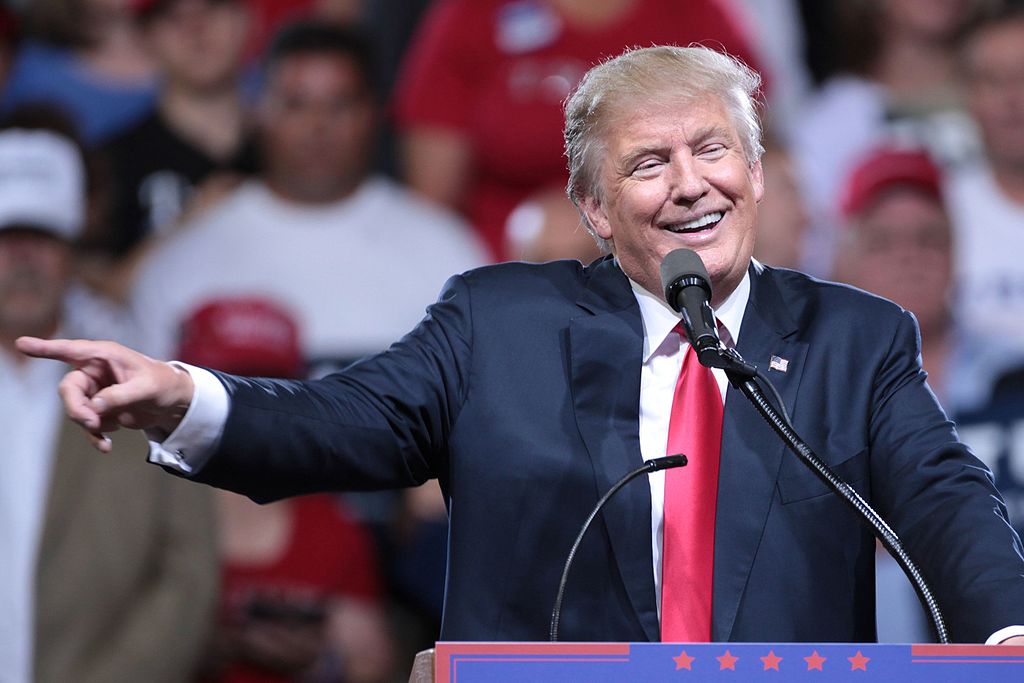
As President Donald Trump prepares to commence his second term in January 2025, his administration is signaling a significant shift in defense spending priorities. Proposed budget reductions have ignited a heated debate among policymakers, military officials, and defense industry stakeholders.
Proposed Budget Reductions
The administration is considering substantial cuts to the defense budget, with some advisors advocating for reductions of up to 50%. Former Acting Defense Secretary Chris Miller, a contributor to the "Project 2025" policy document, has publicly supported such measures, arguing that they would streamline military operations and reduce federal expenditures.
Impact on Military Operations
Critics warn that drastic budget cuts could compromise the United States' global military presence and readiness. Potential consequences include the downsizing of active-duty personnel, delays in modernization programs, and reduced funding for overseas operations. Defense analysts caution that these changes may embolden adversaries and weaken alliances.
Defense Industry Concerns
The proposed budget reductions have raised alarms within the defense industry. Major contractors, including Lockheed Martin and Northrop Grumman, have expressed concerns about the potential impact on ongoing projects and future contracts. The uncertainty has led to fluctuations in defense stocks, reflecting investor apprehension about the industry's financial outlook.
Strategic Realignment
Proponents of the budget cuts argue that reallocating resources could enhance efficiency and focus on emerging threats. The administration emphasizes the need to prioritize cybersecurity, space defense, and advanced technologies over traditional military expenditures. This strategic realignment aims to address evolving security challenges in a cost-effective manner.
Congressional Response
Lawmakers are divided over the proposed defense budget cuts. Some members of Congress support the reductions, citing the need for fiscal responsibility and a reassessment of defense priorities. Others oppose the cuts, arguing that they could undermine national security and the United States' leadership role on the global stage. The upcoming budget negotiations are expected to be contentious, with both sides presenting compelling arguments.
Public Opinion
Public sentiment regarding the defense budget is mixed. Some citizens advocate for reduced military spending, favoring the allocation of funds to domestic programs such as healthcare and education. Others express concern that budget cuts could weaken the nation's defense capabilities and its ability to respond to international crises. The administration's proposals have sparked a broader national conversation about the balance between defense spending and other governmental priorities.
Conclusion
President Trump's proposed defense budget cuts for 2025 represent a significant departure from previous spending levels. While the administration argues that these reductions will lead to a more efficient and strategically focused military, critics warn of potential risks to national security and economic stability. As the debate unfolds, the nation grapples with the complex task of balancing fiscal responsibility with the imperative of maintaining a robust defense posture.







