


 Ghana Says Western Support Growing for Slave Trade Reparations
  Trump Board of Peace Unveils $2.45 Billion Gaza Recovery Plan
  US Officials Split Over Response to Israeli West Bank Settlements
  US Invites Putin to Miami G20, Opening Door to Trump Summit
  Kremlin Says No Grounds Yet for Ukraine Peace Talks
  Gaza Faces Evacuation Crisis as War-Damaged Buildings Risk Collapse
  Lula and Flavio Bolsonaro Tied in Brazil Runoff Poll
  Canada Unveils Bill to Fast-Track Major Resource Projects
  Macron, Trump Discuss Ukraine-Russia Energy Strike Moratorium
  Venezuela Promises Elections as Delcy Rodriguez Pledges Democratic Transition
  Trump Administration Plans Faster FDA Reviews for Smoke-Free Nicotine Products
  Russian Strikes Kill Eight Across Ukraine as Energy Sites Hit
  Trump to Press Xi on Release of US Nuclear Expert Held in China
  Vietnam, US Trade Deal Could Be Signed Soon, To Lam Says
  Macron Challenges Trump’s Gaza Peace Claims at UN
  Europe Warns Russia Is Escalating Hybrid Attacks Across NATO
  Zelenskiy Warns Russia Preparing Major Attack on Ukraine


 Add as a preferred source on Google
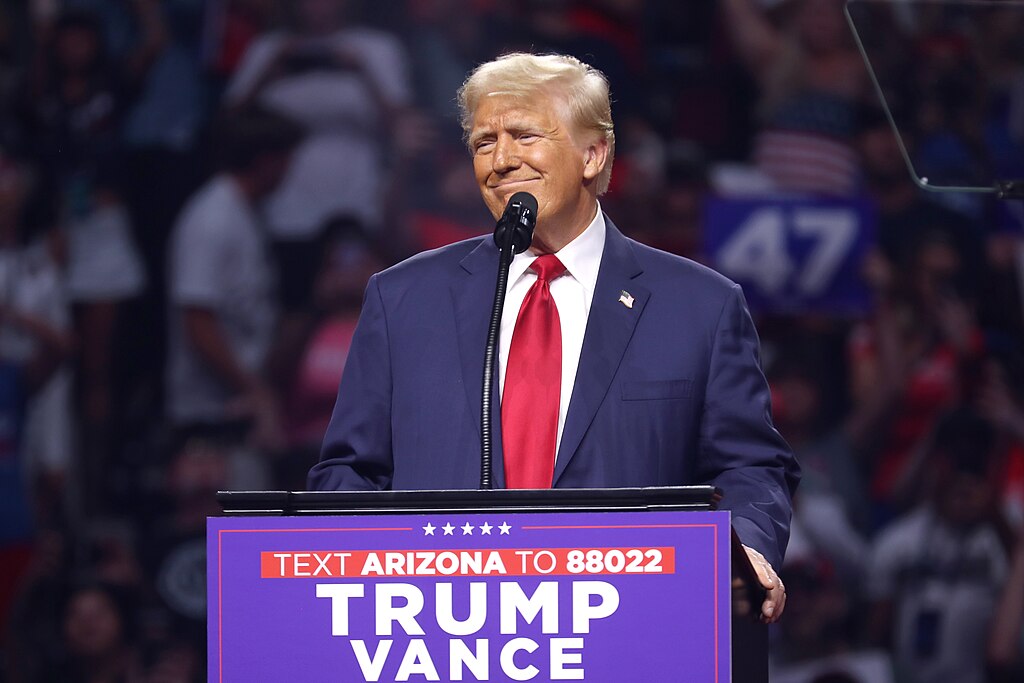
As cyber threats continue to rise globally, former President Donald Trump has unveiled his ambitious cybersecurity agenda for 2025. The plan, which builds on his administration's previous initiatives, aims to fortify U.S. digital infrastructure, establish stricter cyber defense mechanisms, and address escalating cyberattacks from state and non-state actors.
Cybersecurity has taken center stage in Trump’s return to political leadership, with a renewed focus on safeguarding national interests in the digital age. His plan reportedly emphasizes strengthening public-private partnerships, enhancing national cyber defense strategies, and targeting global cybercrime operations.
National Cybersecurity Agency Expansion
One of the cornerstones of Trump’s cybersecurity plan is the expansion of the National Cybersecurity Agency (NCA), which was established during his first term. Under the 2025 agenda, the NCA would receive increased funding and resources to combat cyberattacks on critical infrastructure, including financial institutions, energy grids, and healthcare systems.
The proposal also includes the creation of a Cyber Defense Command within the U.S. military, tasked with addressing national security threats in the cyber domain. This initiative aims to counter growing cyber risks posed by countries like China, Russia, and North Korea.
Digital Sovereignty and Border Security
Trump’s cybersecurity vision places significant emphasis on digital sovereignty, proposing a controversial measure to block foreign software and technology deemed a security risk. The policy seeks to prevent cyber espionage and intellectual property theft by limiting U.S. reliance on foreign-made digital tools.
Additionally, the plan outlines stricter regulations for foreign tech firms operating in the United States, potentially requiring increased transparency and compliance with American cybersecurity standards.
Controversy Over Privacy Concerns
While supporters laud the plan as a proactive approach to national security, critics have raised concerns about its potential impact on personal privacy. Cyber policy experts warn that increased government surveillance could infringe upon civil liberties, sparking debates about the balance between security and privacy.
Civil rights organizations have expressed alarm over the possibility of mass data collection under the guise of cybersecurity, urging lawmakers to implement oversight measures to protect citizens' rights.
Social Media Reactions
The announcement of Trump’s cybersecurity plan ignited a flurry of reactions on social media, with opinions divided along political lines:
- @CyberAdvocate2025: “Finally, a leader who understands the importance of protecting our digital borders. We need this now!”
- @PrivacyFirst2025: “This sounds like an excuse to spy on Americans. Who’s protecting us from the government?”
- @TechInnovatorUSA: “Blocking foreign tech could hurt innovation. Let’s focus on collaboration, not isolation.”
- @DefendOurData: “Stronger cybersecurity is essential, but at what cost? We need checks and balances.”
- @CodeWarrior2025: “Cyber threats are real, and Trump’s plan is bold. Let’s hope it delivers results.”
- @GlobalPeaceNow: “Cybersecurity is important, but this could escalate international tensions. Diplomacy matters, too.”
The Path Ahead
As the U.S. grapples with evolving cyber challenges, Trump’s 2025 cybersecurity agenda signals a significant shift in digital policy. While the plan seeks to bolster national security, its potential implications for privacy, innovation, and international relations remain contentious. Only time will reveal whether this approach can effectively shield the nation from cyber threats or fuel further division.







