


 Second DOJ Lawyer Exits Trump Probe
  US Alcohol Ban Exposes Canada’s Internal Trade Barriers
  US Troops Set to Complete Iraq Withdrawal as Iran Influence Grows
  Trump Eyes $54 Billion South Korean Investment in Alaska LNG
  Malaysia Begins Deportation of 1,500 Myanmar Nationals
  Pope Leo Urges Europe to Pursue Peace Through Compromise
  Judge Blocks Trump Election Conditions on Counterterrorism Grants
  TSA Removes Chairs for Airport ID Check Officers
  US Plans Iran Sanctions Waiver for Pilgrim Flights to Iraq
  US Forces Exit Iraq as Iran Influence and ISIS Risks Grow
  UK Police Probe Foreign State Link in RAF Fairford Plot
  California Bans Memecoins Issued by Public Officials Under New Law
  Denmark Expects Long-Term NATO Presence in Greenland, Arctic
  Polymarket Traders Bet on Trump AI Rename to ‘Super Intelligence’
  UN Experts Urge US to Halt Third-Country Migrant Deportations
  Tim Scott Blames Democrats as CLARITY Act Stalls in Senate
  Trump, Tech Leaders Sign ‘Morally Binding’ AI Safety Accord


 Add as a preferred source on Google
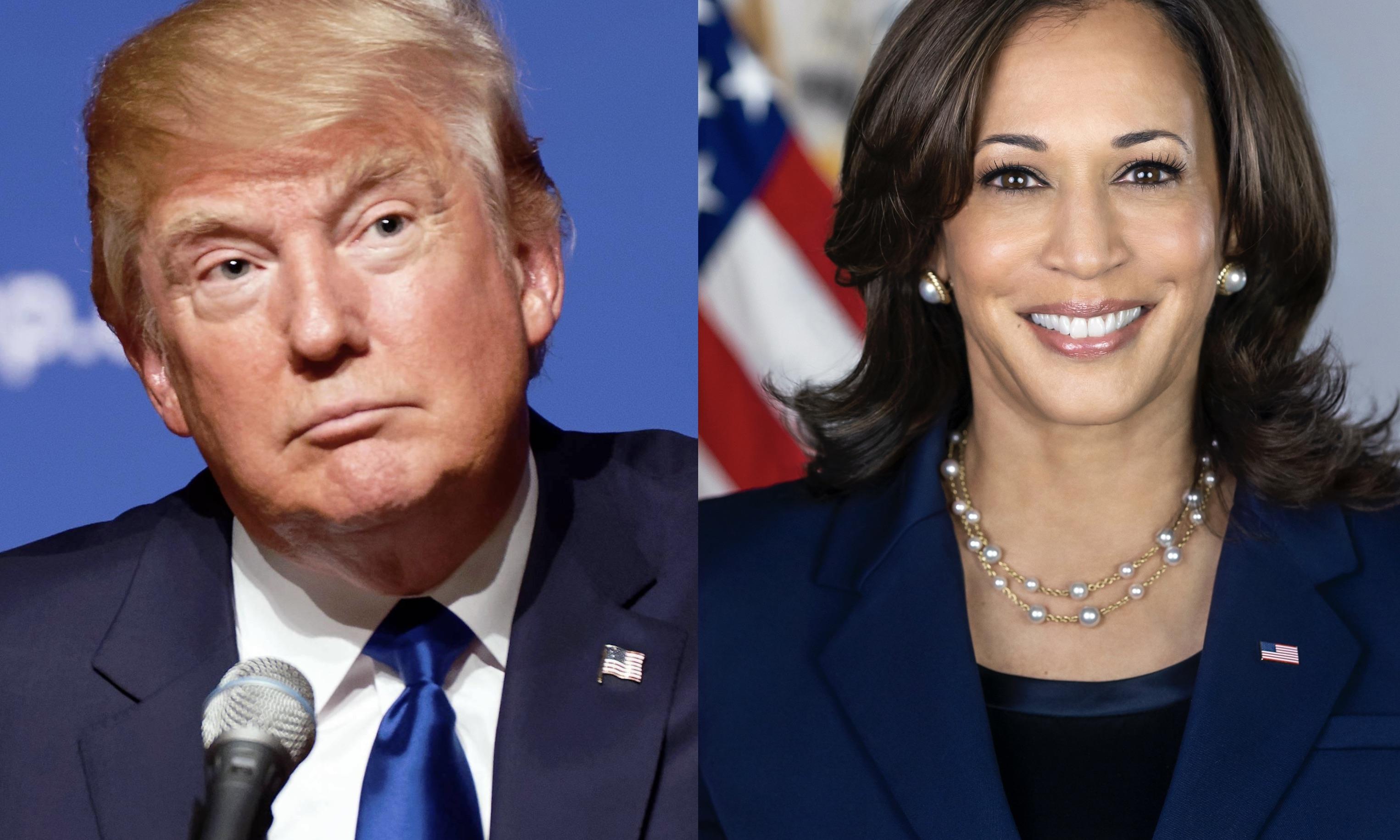
As the 2024 U.S. presidential election looms, cryptocurrency enthusiasts and investors are weighing how different potential administrations could shape the future of the digital asset market.
A hypothetical contest between Donald Trump and Kamala Harris has fueled debate about which leader would likely have a more positive impact on the burgeoning crypto industry. While both political figures have not outlined specific platforms for cryptocurrency regulation, their broader economic policies could provide insight into how they might approach this rapidly growing sector.
Donald Trump’s previous term in office saw a largely cautious approach to cryptocurrency regulation. Although Trump did not focus heavily on the crypto market, his administration’s financial regulators took steps to limit the use of digital currencies, often viewing them as a potential threat to the U.S. dollar’s dominance and global financial stability. The former president himself has been publicly critical of cryptocurrencies, particularly Bitcoin, which he described as too volatile and susceptible to illegal activity.
However, some market analysts argue that a second Trump administration could bring a more favorable environment for cryptocurrency due to his broader deregulatory stance. Trump’s approach to financial regulation generally leaned toward loosening restrictions on industries to promote business growth and innovation. This could translate into a lighter regulatory hand on cryptocurrencies, allowing the market to develop with fewer constraints, which would appeal to crypto investors eager for less government intervention.
On the other hand, Vice President Kamala Harris, who may lead the Democratic ticket in 2024, presents a different set of expectations for the crypto market. Although Harris has not taken a strong public stance on digital assets, the Biden administration, in which she serves, has shown interest in more robust oversight of the cryptocurrency industry. This includes initiatives to combat fraud, protect consumers, and address concerns over crypto's role in financial crimes. Harris has advocated for inclusive economic growth, and some experts believe that her administration could push for regulatory clarity in the cryptocurrency space, which could reduce uncertainty for institutional investors.
For many in the crypto community, regulatory clarity is a double-edged sword. While clear regulations could help legitimize the market and bring more institutional investors on board, it could also result in stricter rules that limit the freedoms the decentralized nature of crypto offers.
A Harris administration might be more likely to regulate crypto in line with current Democratic policies, seeking to balance innovation with consumer protection, but potentially imposing tighter controls on the industry.
The outcome of the 2024 election could have far-reaching implications for the future of the cryptocurrency market. Investors will be watching closely to see how the candidates’ platforms evolve on issues like blockchain technology, central bank digital currencies, and financial regulation.
Whether the crypto market will thrive under Trump’s deregulatory approach or Harris’ potentially more structured oversight remains a topic of intense speculation.
Ultimately, the 2024 race will likely determine the future direction of U.S. crypto policy, as both candidates face pressure to address this rapidly evolving sector. Until then, the market is left to speculate on which administration would foster more growth and stability for digital assets.
EconoTimes cannot independently verify the claims regarding the potential impacts of a Donald Trump or Kamala Harris administration on the cryptocurrency market.







