


 CNN, MS NOW and Politico Sue Trump Over White House Media Ban
  Trump Administration Prepares Sanctions Against Entire ICC
  Zelenskiy Warns Russia Preparing Major Attack on Ukraine
  UK, Mauritius Seek Diego Garcia Base Deal
  Zelenskiy Meets CIA Chief John Ratcliffe at Ireland’s Shannon Airport
  Trump Says ‘Freedom’ Is Coming to Cuba
  Scott Bessent Eyed as Trump’s New AI Czar
  Trump to Press Xi on Release of US Nuclear Expert Held in China
  US, Denmark and Greenland Set to Sign Arctic Security Deal
  Iran Vows ‘Crushing’ Response as US Talks Continue
  Trump Scales Back Endangered Species Act Protections
  Lula and Flavio Bolsonaro Tied in Brazil Runoff Poll
  Macron Challenges Trump’s Gaza Peace Claims at UN
  Kremlin Says No Grounds Yet for Ukraine Peace Talks
  China Tightens Fentanyl Rules Ahead of Trump-Xi Summit
  Lula Meets Mamdani in New York as Elections Approach
  US Plans Two New Military Bases in Greenland Under Arctic Deal


 Add as a preferred source on Google
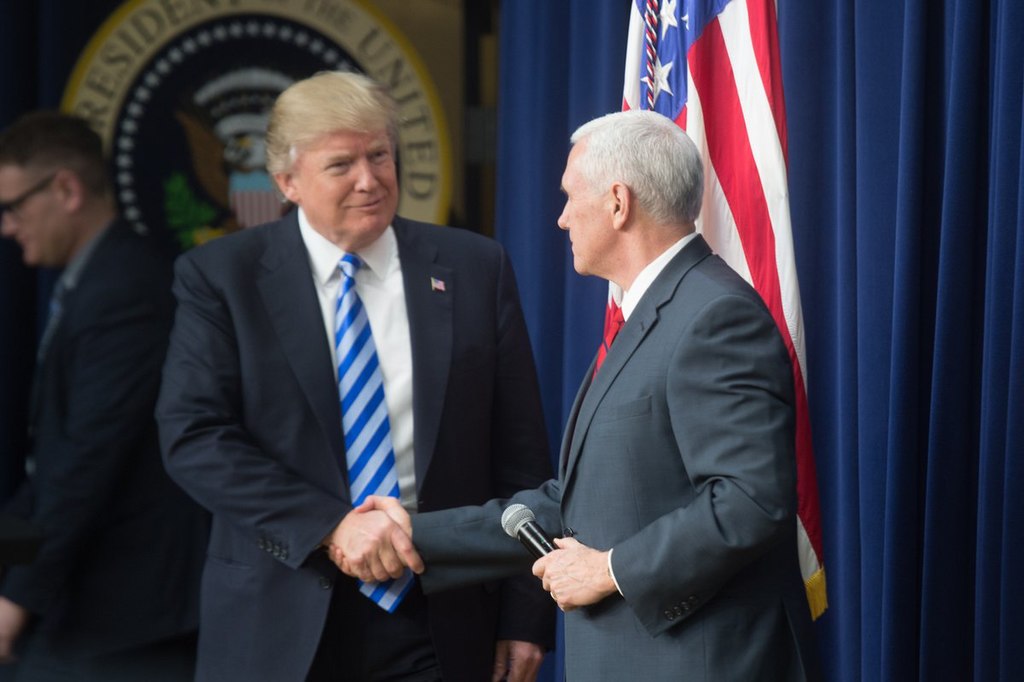
Donald Trump is reportedly finding it difficult to stay on message as his 2024 presidential campaign ramps up, according to a recent report from The New York Times. Despite efforts by his advisers and key donors to steer him toward addressing pressing voter concerns, the former president has admitted to insiders that he is struggling to resist the urge to engage in personal attacks against his political opponents.
The report, authored by Michael C. Bender and Michael Gold, sheds light on the internal dynamics of Trump’s campaign, which has been working to develop a strategy aimed at taking on Vice President Kamala Harris. The campaign's focus is on issues such as crime and border security—topics they believe will resonate with voters. However, getting Trump to stick to this script has proven to be a significant challenge.
One of Trump’s prominent donors, casino magnate Steve Wynn, has reportedly been at odds with the former president over his approach to campaigning. Wynn, concerned about Trump’s chances of winning over independent voters, went so far as to commission a poll to demonstrate the importance of appealing to this crucial demographic. The poll results suggest that a more disciplined approach, focusing on policy rather than personal attacks, is necessary for Trump to secure a victory.
However, according to the Times report, Trump has confided in close associates that he finds it difficult to avoid personal attacks, especially given the animosity he feels toward his opponents. This hostility, whether directed at figures like Jeb Bush, Hillary Clinton, President Joe Biden, or now Vice President Harris, often compels him to retaliate, much to the dismay of some of his advisers.
This inclination to go off-script is further complicated by Trump’s apparent lack of enthusiasm when discussing policy during his rallies. The report notes that Trump’s energy wanes when he sticks to prepared speeches, often delivering them in a lackluster manner. In contrast, he seems to come alive when engaging in impromptu interactions with his supporters, which frequently lead to unscripted moments and personal attacks.
This approach is raising concerns among some within the GOP, who believe that Trump’s current strategy is not serving him well. Kevin Madden, a Republican campaign strategist, pointed out that swing voters are typically turned off by partisan bickering. Instead, they are more concerned about the direction of the country and the state of the economy. Madden emphasized that every day Trump spends on personal attacks rather than addressing these issues is a wasted opportunity to connect with these voters.
As the 2024 election draws closer, Trump’s ability to pivot toward a message that resonates with a broader electorate remains in question. While his base remains fiercely loyal, his success in the general election may hinge on his capacity to focus on the issues that matter most to voters, rather than the personal vendettas that have long defined his political style.







