


 Vietnam, US Trade Deal Could Be Signed Soon, To Lam Says
  Iran Vows ‘Crushing’ Response as US Talks Continue
  Trump to Press Xi on Release of US Nuclear Expert Held in China
  Russian Strikes Kill Eight Across Ukraine as Energy Sites Hit
  UK, Mauritius Seek Diego Garcia Base Deal
  Taiwan Vows to Advance US Arms Sales Ahead of Trump-Xi Meeting
  Zelenskiy Meets CIA Chief John Ratcliffe at Ireland’s Shannon Airport
  US, Japan and South Korea Back Taiwan Ahead of Trump-Xi Summit
  Trump Board of Peace Unveils $2.45 Billion Gaza Recovery Plan
  Macron, Trump Discuss Ukraine-Russia Energy Strike Moratorium
  US, Denmark and Greenland Set to Sign Arctic Security Deal
  Zelenskiy Warns Russia Preparing Major Attack on Ukraine
  CNN, MS NOW and Politico Sue Trump Over White House Media Ban
  Trump Says ‘Freedom’ Is Coming to Cuba
  Trump Says U.S.-Iran Peace Deal Near After UN Talks
  Scott Bessent Eyed as Trump’s New AI Czar
  Trump Scales Back Endangered Species Act Protections


 Add as a preferred source on Google
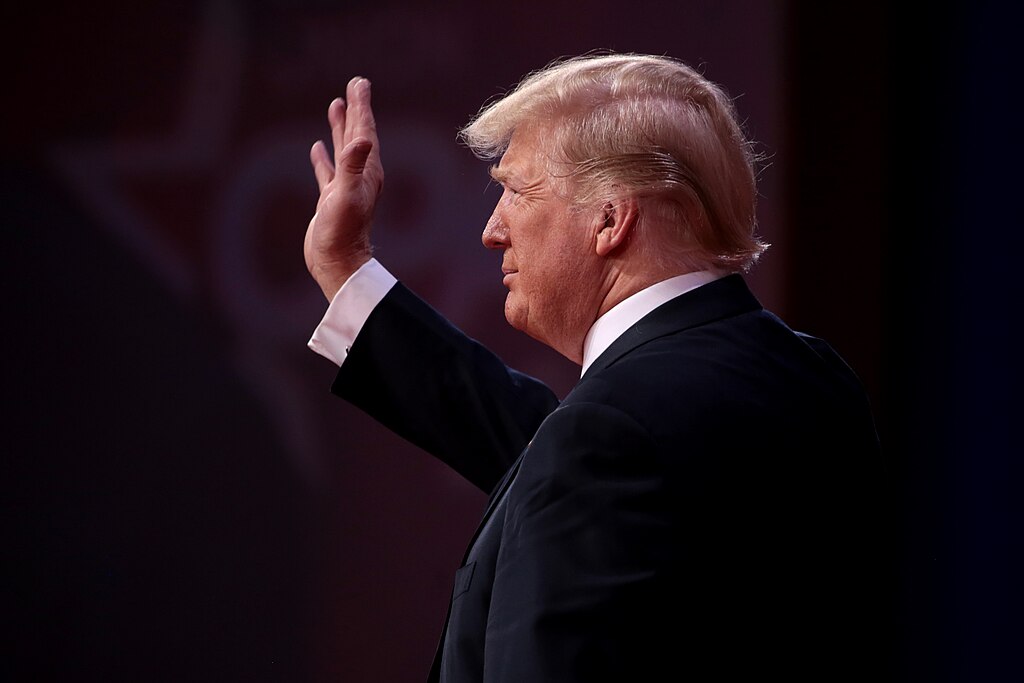
Former President Donald Trump has reignited one of his most controversial proposals—mass deportations of undocumented immigrants—vowing to expand on his first term’s hardline immigration policies if re-elected. Trump’s rhetoric, delivered at rallies across the country, has galvanized his base but also sparked significant debate about the feasibility and consequences of such a sweeping initiative.
At a campaign rally in Racine, Wisconsin, Trump declared his intention to carry out the "largest deportation" operation in U.S. history, likening it to a 1950s-era crackdown on illegal immigration during the Eisenhower administration. The former president's promise to remove millions of undocumented immigrants has become a central theme of his campaign, resonating with supporters who chanted, "Send them back."
However, experts and historians are skeptical about whether such a massive operation could be carried out in modern America. Donald Kerwin, a senior researcher on migration at the University of Notre Dame, suggested that while mass deportations on the scale Trump envisions are unlikely, the attempt could severely disrupt the lives of undocumented immigrants and their families, leading to widespread fear and uncertainty.
Trump's rhetoric is not new. He has consistently emphasized his commitment to strict immigration enforcement, gaining support from Republican voters who prioritize border security. At the Republican National Convention in Milwaukee, delegates displayed signs calling for mass deportations as Trump reiterated his promise to launch the largest deportation operation in American history.
The former president's approach is reminiscent of the Eisenhower administration’s 1954 deportation campaign, though experts point out key differences. Michael Clemens, an economics professor at George Mason University, noted that the Eisenhower-era deportations were accompanied by a significant expansion of legal work pathways for Mexican immigrants, a component missing from Trump’s proposal. Clemens warned that a deportation campaign without corresponding legal migration options would likely fail, as even Eisenhower’s effort fell short of its purported success.
Critics also point out that Trump’s plan could face significant legal challenges. Mae Ngai, a historian and Asian American studies professor at Columbia University, highlighted the potential constitutional conflicts, particularly the 10th Amendment, which protects states' rights. Trump has suggested withholding federal funding from states that refuse to cooperate with deportation efforts, a move that could trigger legal battles over states’ autonomy in enforcing federal laws.
Funding is another major hurdle. The logistics of mass deportations, including the potential use of the military and construction of large detention centers, would require significant financial resources. Julia Gelatt, associate director of the U.S. Immigration Policy Program at the Migration Policy Institute, noted that such expenses would likely require congressional approval, which may not be forthcoming. Even if Trump were to bypass Congress by reallocating funds within the Department of Homeland Security, such actions could have political repercussions, especially in the event of natural disasters or other emergencies.
Despite the numerous challenges, Trump and his advisors, including former officials like Steven Miller and Ken Cuccinelli, remain committed to pursuing an aggressive immigration agenda. They have outlined plans to expand executive authority, limit legal immigration, and utilize wartime laws to facilitate deportations, underscoring the high stakes of the upcoming election.
As the 2024 campaign unfolds, Trump’s promises of mass deportations will continue to be a focal point of debate, with voters and experts alike questioning the practicality and morality of such a strategy in a deeply divided nation.







