


 White House Weighs Refined Copper Tariffs as Cost Concerns Grow
  BRICS Calls for Restraint as Middle East War Escalates
  Russian Drone Strike on Sumy Shopping Centre Kills Two
  Israel Destroys Hezbollah Underground Network in Southern Lebanon
  Trump Open to Chinese Automakers Building Cars in US
  Lula Holds Narrow Lead Over Flavio Bolsonaro in Brazil Election Poll
  Trump Rejects Saudi Request for U.S. Strikes on Houthis
  South Korea Says $350 Billion US Investment Talks Progressing
  Trump Rejects Saudi Request for Houthi Strikes
  Gulf Ministers to Meet Iran in Oman Over Hormuz Shipping Deal
  Trump Says He Has No Regrets Over Iran War
  Iran Attacks 10 Ships as Hormuz Conflict Escalates
  Russian Strikes Across Ukraine Kill Nine, Injure Dozens
  Sweden Election Puts Far Right and Centre Left in Tight Race
  Chinese Satellite Images Linked to Iran Strike on US Base
  Trump Calls for Five-Year George Washington Smithsonian Exhibit
  Kim Jong Un Praises North Korean Troops Fighting Overseas


 Add as a preferred source on Google
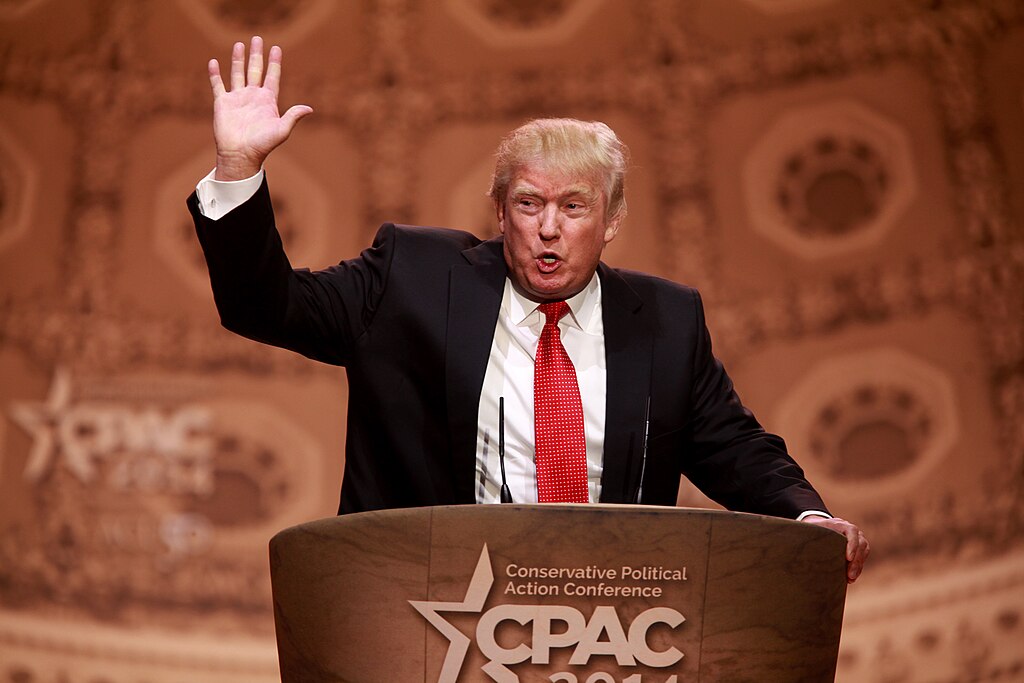
Former President Donald Trump has made a bold pledge as part of his 2024 campaign: to ban refugee resettlement from areas he refers to as “terror-infested.” The controversial statement is reminiscent of the hardline immigration policies that defined much of Trump’s first term in office, and it signals a return to the strict national security measures that resonated with his base. However, the proposal has sparked fresh debate over the balance between immigration control and humanitarian obligations.
Trump’s announcement is framed as a continuation of his America First policy, with the former president stating that limiting refugee resettlement from regions with high levels of terrorism is necessary to protect national security. This echoes the travel ban he implemented in 2017, which restricted entry from several predominantly Muslim countries. That executive order, dubbed the "Muslim ban" by critics, faced significant legal challenges but was ultimately upheld by the U.S. Supreme Court in a modified form.
The 2024 version of Trump’s immigration policy is expected to face similar scrutiny. Critics argue that such bans unfairly target specific groups based on ethnicity and religion, while proponents see them as essential tools in combating terrorism. The renewed focus on restricting refugee resettlement, particularly from conflict zones in the Middle East and Africa, has already sparked fierce political debate. Opponents of Trump’s stance view it as a violation of international refugee laws and U.S. obligations to provide asylum to those fleeing violence and persecution.
While the Trump campaign touts this promise as a way to enhance national security, immigration advocates warn that such measures could harm vulnerable populations seeking refuge from war-torn regions. Refugee resettlement in the U.S. has traditionally been a means of offering protection to individuals escaping conflict, violence, and persecution, and previous administrations have balanced security with humanitarian concerns. Trump’s proposed ban raises questions about the future of U.S. refugee policy under his potential second term.
The pledge has also reignited discussions about the broader implications of Trump's national security policies. Supporters of Trump argue that his previous immigration and travel bans helped reduce the risk of terrorism on U.S. soil, pointing to the lack of major terrorist attacks during his presidency as evidence of the policy’s effectiveness. Meanwhile, critics highlight the detrimental impact these policies had on America’s global reputation, with many allies viewing them as xenophobic and discriminatory.
As Trump builds his 2024 campaign, his promise to ban refugee resettlement from "terror-infested" regions is likely to become a key talking point in his effort to solidify support among conservative voters concerned about immigration and national security. The proposal could also draw backlash from Democratic candidates, human rights organizations, and international groups that advocate for the rights of refugees and asylum seekers.
With the 2024 election still months away, Trump’s latest campaign promise is expected to fuel further debate over immigration policy and the country’s approach to refugees. How this issue plays out in the broader political landscape remains to be seen, but it is certain to be a flashpoint in the upcoming election cycle.
EconoTimes cannot independently verify the claims made by Donald Trump regarding his proposed refugee resettlement ban. The proposal remains a part of his political platform, and further analysis is required to assess its potential impact on national security and immigration policy.







