


 Kremlin Says No Grounds Yet for Ukraine Peace Talks
  Zelenskiy Warns Russia Preparing Major Attack on Ukraine
  China Tightens Fentanyl Rules Ahead of Trump-Xi Summit
  Russian Strikes Kill Eight Across Ukraine as Energy Sites Hit
  Ghana Says Western Support Growing for Slave Trade Reparations
  Scott Bessent Eyed as Trump’s New AI Czar
  Venezuela Promises Elections as Delcy Rodriguez Pledges Democratic Transition
  South Korea, US Discuss Warship Building Cooperation
  Lula and Flavio Bolsonaro Tied in Brazil Runoff Poll
  Macron, Trump Discuss Ukraine-Russia Energy Strike Moratorium
  Taiwan Vows to Advance US Arms Sales Ahead of Trump-Xi Meeting
  Trump to Press Xi on Release of US Nuclear Expert Held in China
  US Invites Putin to Miami G20, Opening Door to Trump Summit
  Trump Says ‘Freedom’ Is Coming to Cuba
  Russian Envoy Dmitriev Heads to US for Ukraine Talks
  Vietnam, US Trade Deal Could Be Signed Soon, To Lam Says
  Burnham Eyes UK Leadership Role in AI Ahead of Trump Meeting


 Add as a preferred source on Google
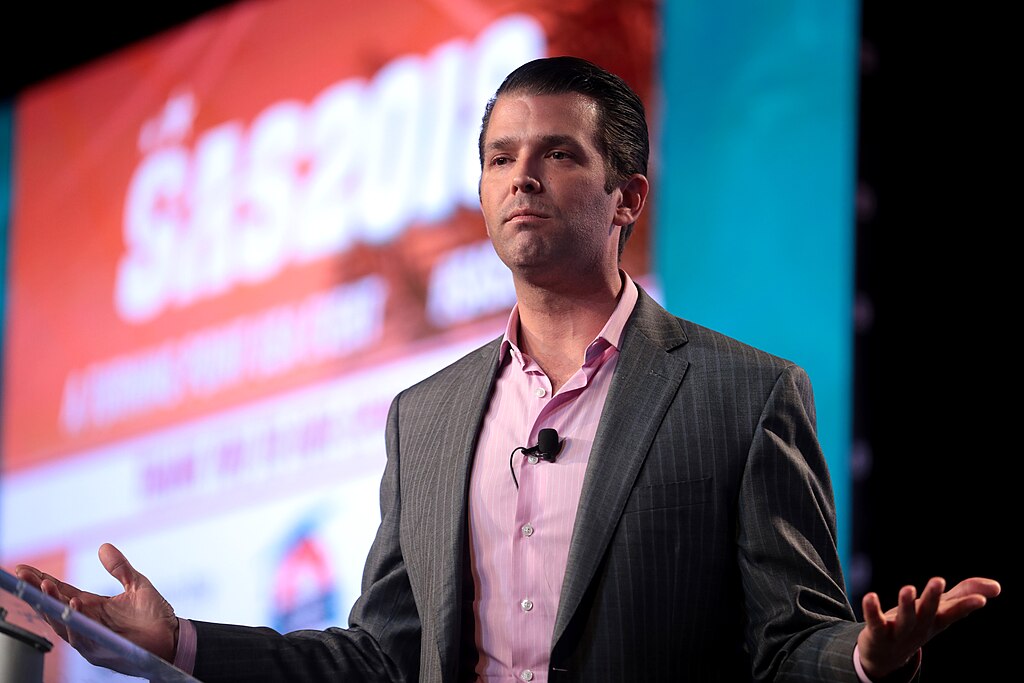
In a recent podcast, Donald Trump Jr. suggested that the forthcoming Trump administration might restructure the White House briefing room by incorporating independent journalists with substantial followings, potentially at the expense of traditional media outlets.
Potential Changes to the Press Corps
Trump Jr. indicated that the administration is considering inviting independent reporters and podcasters, such as Joe Rogan, to participate in White House briefings. This move aims to diversify the media presence and engage with a broader audience. He emphasized that this approach would reflect the evolving media landscape and address perceived biases in legacy media.
Rationale Behind the Shift
The proposed changes stem from concerns about the behavior and coverage of traditional media during Trump's previous term. By integrating independent journalists, the administration seeks to foster a more balanced and representative media environment. This strategy aligns with the administration's goal to communicate directly with the public through various platforms.
Public Reaction
The suggestion has sparked diverse reactions on social media. Twitter user @MediaReformAdvocate expressed support, stating, "It's about time we had diverse voices in the briefing room." Conversely, @JournalismDefender commented, "Replacing seasoned journalists with influencers undermines journalistic integrity." User @IndependentNewsFan noted, "Independent reporters often have larger followings; this could democratize information dissemination." Meanwhile, @LegacyMediaSupporter remarked, "Traditional media provides accountability; sidelining them is concerning." User @PodcastListener added, "Including podcasters like Rogan could make briefings more relatable." Lastly, @PressFreedomWatchdog questioned, "Will this lead to favoritism towards sympathetic media personalities?"
Implications for Media Relations
If implemented, this restructuring could significantly alter the dynamics between the White House and the press. It may challenge traditional media's role in political coverage and elevate independent journalists' influence. The administration's approach reflects a broader trend of political figures engaging directly with audiences through non-traditional media channels.
Looking Forward
As the administration finalizes its media strategy, the potential inclusion of independent reporters in the White House briefing room remains a topic of discussion. The outcome could reshape the landscape of political journalism and public engagement.







