


 Mexico-US Trade Talks Delayed to October as Tariff Negotiations Continue
  Dollar Falls as Oil Eases, Yen Jumps on Intervention Signals
  US Stock Futures Fall as Treasury Yields Surge Ahead of Trump-Xi Summit
  Asian Stocks Fall as Surging Bond Yields Rattle Markets
  Fed Unveils Stablecoin Rules Under GENIUS Act
  UK PM Burnham to Unveil Economic Vision at Labour Conference
  Germany’s 2026 Growth Outlook Strengthens on Fiscal Spending
  Japanese Yen Rebounds as Trump Flags Currency Weakness
  Australia Unemployment Hits Five-Year High Despite Strong Jobs Growth
  Asian Currencies Mixed as Dollar Holds Near Two-Month High
  Japanese Bank Stocks Surge as Bond Yields Fuel Rate Hike Bets
  Dollar Holds Near Two-Month High as Yen Approaches 160
  Wall Street Ends Flat as Oil, Treasury Yields and Fed Jitters Rattle Markets
  U.S. Dollar Hits Two-Month High as Oil, Treasury Yields Surge
  Fed’s Hammack Says Bond Yield Surge Is Not Driven by Inflation Fears
  Soybean Futures Slip as Traders Await Trump-Xi Trade Signals


 Add as a preferred source on Google
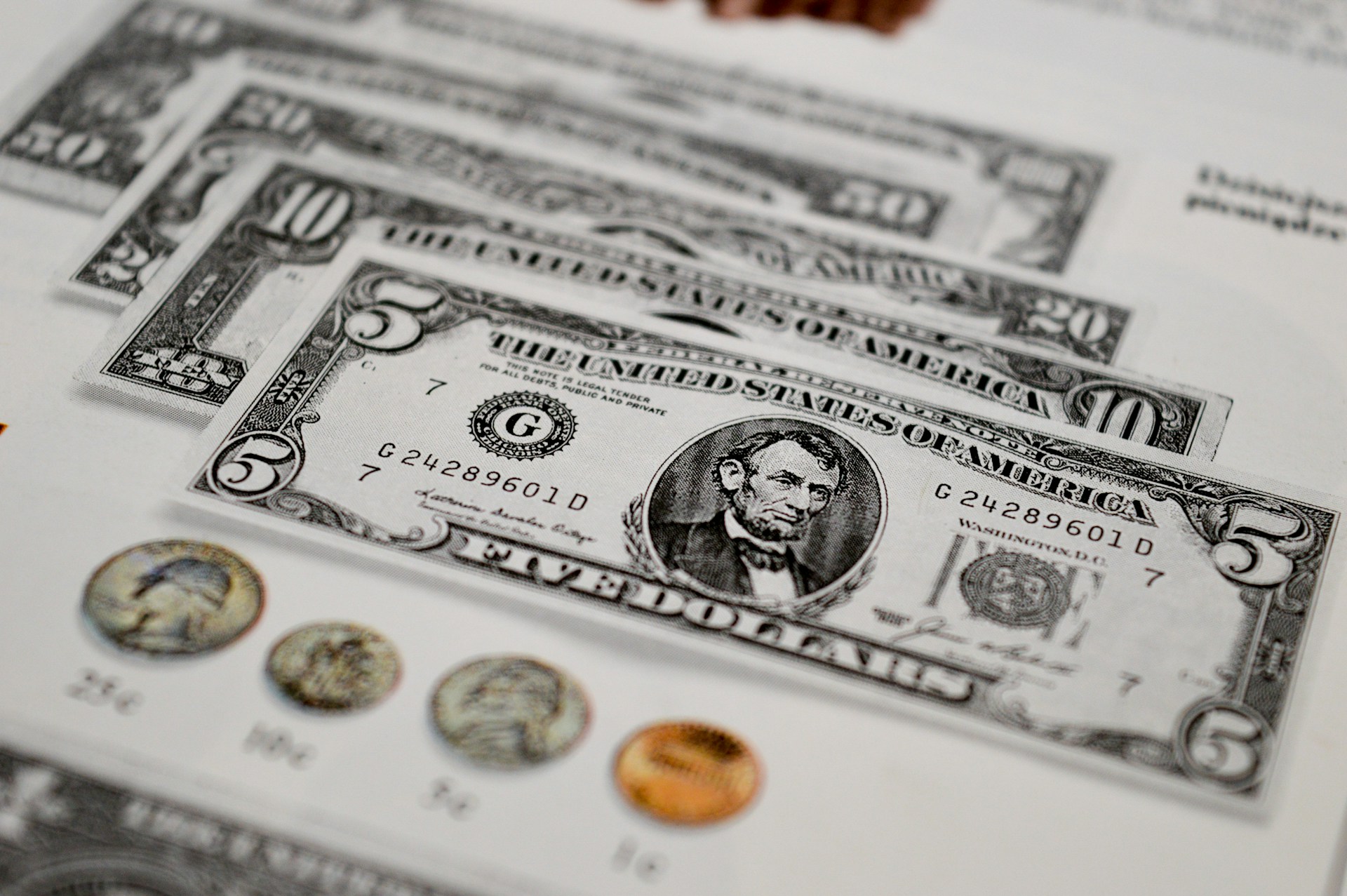
The U.S. dollar fell to multi-year lows on Thursday as currency traders fretted over political pressure on the Federal Reserve and the potential ouster of Chair Jerome Powell. A Wall Street Journal report said President Donald Trump had considered naming Powell’s replacement by early autumn, a move analysts warn could erode the Fed’s credibility and shake global confidence in U.S. monetary policy.
Kieran Williams of InTouch Capital Markets noted that an early, politically tipped appointment “would recalibrate rate expectations and spark a reassessment of dollar positioning.” Traders have already raised the implied probability of a July Fed rate cut to 25%—up from 12% a week ago—and now expect roughly 64 basis points of easing by year-end.
Against this backdrop, the euro advanced 0.2% to $1.1687, its strongest level since October 2021, while sterling climbed to a 29-month peak at $1.3690. The dollar index sank to 97.491, its weakest reading since early 2022. Safe-haven flows pushed the Swiss franc to 0.8033 per dollar, its best showing versus the greenback since 2011, and to a record high against the yen near 180.55. The dollar also slipped 0.2% against the yen to 144.89.
Trump’s looming July 9 tariff deadline added to market anxiety. JPMorgan analysts warned that higher duties could slow U.S. growth, lift inflation, and raise the probability of recession to 40%, ending what they call “a phase of U.S. exceptionalism.”
Dollar weakness has become a central market theme as investors question the currency’s reserve-status dominance. Europe, meanwhile, is attracting inflows on expectations that increased defense and infrastructure spending will support regional growth, further boosting the euro’s appeal in forex markets.







