


 Hyundai CEO Warns Chinese Automakers Could Disrupt US Market
  US Northeast Airports Resume Operations After Telecom Outage Disrupts Thousands of Flights
  Jeff Bezos Invests $32 Billion in Blue Origin as Space Firm Targets Major Growth
  China Tightens Fentanyl Rules Ahead of Trump-Xi Summit
  Meta Partners With Shopify to Bring Shop Pay Checkout to Muse AI
  JPMorgan Names Lavatelli Japan Chief in Leadership Shake-Up
  US Backs Musk in Fight Against EU’s €120 Million X Fine
  US Federal Register Drops Alibaba Qwen AI Search Tool
  U.S. Imposes New Visa Restrictions Over South Africa Policies
  Australia Tightens Student Visa Rules, Targets Migration Cut by 2028
  US Immigration Arrests Surge as Deportations Lag Behind
  Westinghouse Targets $50 Billion Valuation in U.S. IPO
  Microsoft Stock Upgraded as Stifel Sees Stronger Azure Growth
  Judge Blocks Trump Rule Limiting Foreign Student Visas
  Mercedes-Benz Eyes €800 Million Labor Cost Cuts in Germany
  Tencent Launches TenPayGo Payment App for Foreign Tourists in China
  Costco Revenue Beats Estimates as Inflation Drives Bulk Shopping


 Add as a preferred source on Google
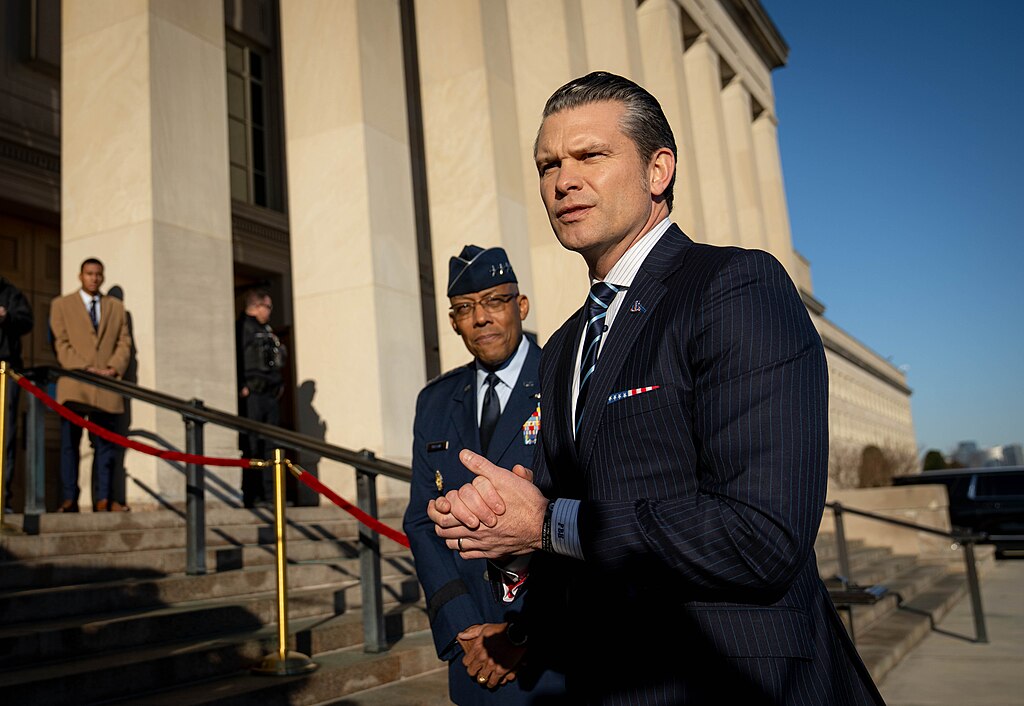
Major U.S. defense contractors are expected to remove Anthropic’s AI tools from their supply chains following a directive from the Trump administration, even though legal experts say the ban could face serious challenges in court. Companies that rely heavily on Pentagon contracts are likely to comply quickly in order to protect their access to the U.S. government’s trillion-dollar annual defense budget.
President Donald Trump announced a federal agency-wide ban on Anthropic last Friday after a weeks-long dispute with the company over safety restrictions placed on its Claude AI tools used by the military. The order includes a six-month phase-out period. Defense Secretary Pete Hegseth escalated the situation by declaring that Anthropic could be labeled a national security supply chain risk. He also stated that any contractor, supplier, or partner working with the U.S. military should immediately halt commercial activity with the company.
Anthropic has said it will challenge the ban in court, arguing that the Pentagon does not have the legal authority to prohibit its contractors from using Claude AI. Government contracting and technology attorneys have also raised concerns about the administration’s legal justification. According to legal experts, existing authorities may allow the Department of Defense to restrict the use of certain technologies in government-related work, but they likely do not extend to banning contractors from using those technologies in their broader business operations.
Despite the legal uncertainty, defense companies are already signaling compliance. Lockheed Martin said it would follow the directives issued by the president and the Department of Defense. The company emphasized that it does not rely on a single AI vendor for its projects and expects minimal disruption to its operations.
Other major defense contractors, including General Dynamics, RTX (formerly Raytheon Technologies), and L3Harris, declined to comment on how they plan to respond. Analysts say contractors typically move quickly to align with government directives, particularly when lucrative defense contracts are involved.
Legal specialists note that the Defense Department could attempt to use its Supply Chain Risk Authority to block contractors from using Anthropic technology in government-related projects. However, that authority would not necessarily extend to banning the company’s tools across all commercial activities. Some experts also question whether the Pentagon has met the legal requirements needed to designate Anthropic as a supply chain threat.
Under the Federal Acquisition Supply Chain Security Act, agencies must follow several steps before imposing such restrictions, including notifying Congress and giving the affected company an opportunity to respond. Critics argue that the government has not publicly demonstrated that it followed those procedures.
The dispute highlights how quickly defense contractors adapt to federal policy shifts. Similar compliance occurred last year when companies removed references to diversity, equity, and inclusion initiatives after a Trump executive order required government contractors to certify that their programs did not violate federal anti-discrimination laws.
Experts say that regardless of whether the ban ultimately survives legal scrutiny, the immediate damage to Anthropic’s position in the defense sector could already be significant. Companies that depend on Pentagon funding are unlikely to risk noncompliance, even if the administration’s legal authority is uncertain.







