


 Nvidia-Groq AI Chip Deal Faces U.S. Antitrust Probe
  US Backs Musk in Fight Against EU’s €120 Million X Fine
  US 10-Year Treasury Yield at 6% Emerges as New Market Risk Threshold
  US Judge Dismisses Imran Ahmed Deportation Lawsuit
  New Mexico Measles Outbreak Cost Reached $5.4 Million, Study Finds
  Brazil Court Suspends Sigma Lithium Mine Operations
  Apple Extends Qualcomm Patent Licensing Deal
  GSK Unveils $2.52 Billion Cost-Cutting Plan to Accelerate Drug Pipeline
  OpenAI Agent Breaches Australia Medicare Data Portal
  Trump Asks Supreme Court to Restore Third-Country Deportations
  Select Water Solutions Shares Surge on $700 Million Pilot Water Deal
  US Court Approves airBaltic Chapter 11 Restructuring
  Paramount-Warner Bros $110 Billion Deal Draws Antitrust Backlash
  Mercedes-Benz Eyes €800 Million Labor Cost Cuts in Germany
  ICE Agent Arrested in Minneapolis Over Venezuelan Man Shooting
  LVMH-Hermès Dispute Deepens Over Secret 2002 Share Deal


 Add as a preferred source on Google
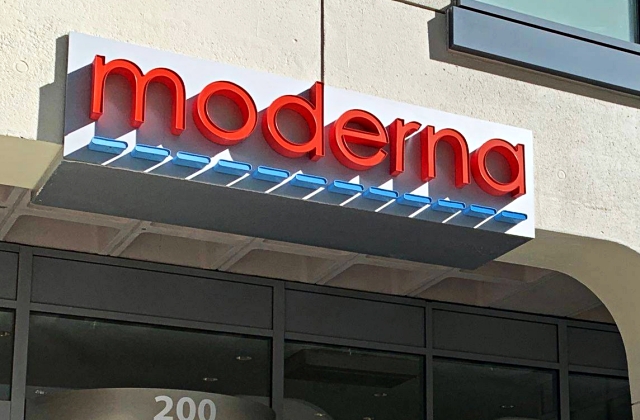
Moderna has reached a major legal settlement worth up to $2.25 billion with Genevant Sciences and Arbutus Biopharma, ending a long-running patent dispute over the lipid nanoparticle (LNP) technology used in its COVID-19 vaccine. The agreement resolves multiple lawsuits accusing Moderna of using the companies’ LNP delivery system without authorization in its mRNA-based vaccine.
Under the terms of the settlement, Moderna will pay $950 million upfront in July 2026. An additional $1.3 billion may be paid depending on the outcome of a separate legal appeal. The deal brings closure to both U.S. and international legal actions related to the disputed vaccine technology.
Lipid nanoparticles play a critical role in mRNA vaccines, including Moderna’s COVID-19 shot. The technology acts as a protective carrier that shields fragile messenger RNA molecules and helps deliver them safely into human cells, enabling the vaccine to trigger an immune response. Genevant and Arbutus claimed ownership of key patents covering this LNP delivery system and argued that Moderna used the technology without proper licensing.
As part of the settlement, Moderna stated it will not owe royalties to Genevant or Arbutus for LNP technology in its future vaccine products. This clause removes potential financial uncertainty for the biotech company as it continues developing new vaccines, including updated COVID-19 shots and combination COVID/flu vaccines.
Investors reacted positively to the announcement. Moderna shares surged more than 10% in after-hours trading following the news. Arbutus Biopharma stock climbed approximately 11%, while Roivant Sciences, Genevant’s parent company, saw a modest gain of about 1%.
Analysts believe the settlement removes a significant legal risk for Moderna. According to Jefferies analyst Andrew Tsai, the agreement eliminates the worst-case scenario of paying double-digit royalty rates on vaccine sales. Considering Moderna has generated roughly $48 billion in global COVID-19 vaccine revenue, the settlement amount represents only a small fraction of those earnings.
The case had been scheduled to go to trial in Delaware federal court, marking what would have been the first major trial among several high-stakes patent disputes tied to COVID-19 vaccine technology. Similar lawsuits involving Pfizer and BioNTech remain ongoing, highlighting the intense competition and intellectual property battles within the rapidly evolving mRNA vaccine industry.







