


 Trump Orders Federal Agencies to Halt Use of Anthropic AI Technology
  Nintendo Share Sale: MUFG and Bank of Kyoto to Sell Stakes in Strategic Unwinding
  Paramount Skydance to Acquire Warner Bros Discovery in $110 Billion Media Mega-Deal
  Trump Warns Iran as Gulf Conflict Disrupts Oil Markets and Global Trade
  APEX Tech Acquisition Inc. Raises $111.97 Million in NYSE IPO Under Ticker TRADU
  Lynas Rare Earths Shares Surge 7% After Malaysia Renews Processing Plant Licence for 10 Years
  Australia Targets AI Platforms With Strict Age Verification Rules
  Samsung Electronics Stock Poised for $1 Trillion Valuation Amid AI and Memory Boom
  Coupang Reports Q4 Loss After Data Breach, Revenue Misses Estimates
  Netflix Stock Jumps 14% After Exiting Warner Bros Deal as Paramount Seals $110 Billion Acquisition
  Flare, Xaman Roll Out One-Click DeFi Vault for XRP Yield via XRPL Wallets
  Samsung and SK Hynix Shares Hit Record Highs as Nvidia Earnings Boost AI Chip Demand
  Panama Investigates CK Hutchison’s Port Unit After Court Voids Canal Contracts
  Nvidia to Launch New AI Inference Processor to Boost OpenAI Performance
  Boeing Secures $166.8 Million U.S. Navy Contract for P-8A Engineering and Software Support
  AWS Data Center in UAE Hit by Fire After Objects Strike Facility Amid Regional Tensions


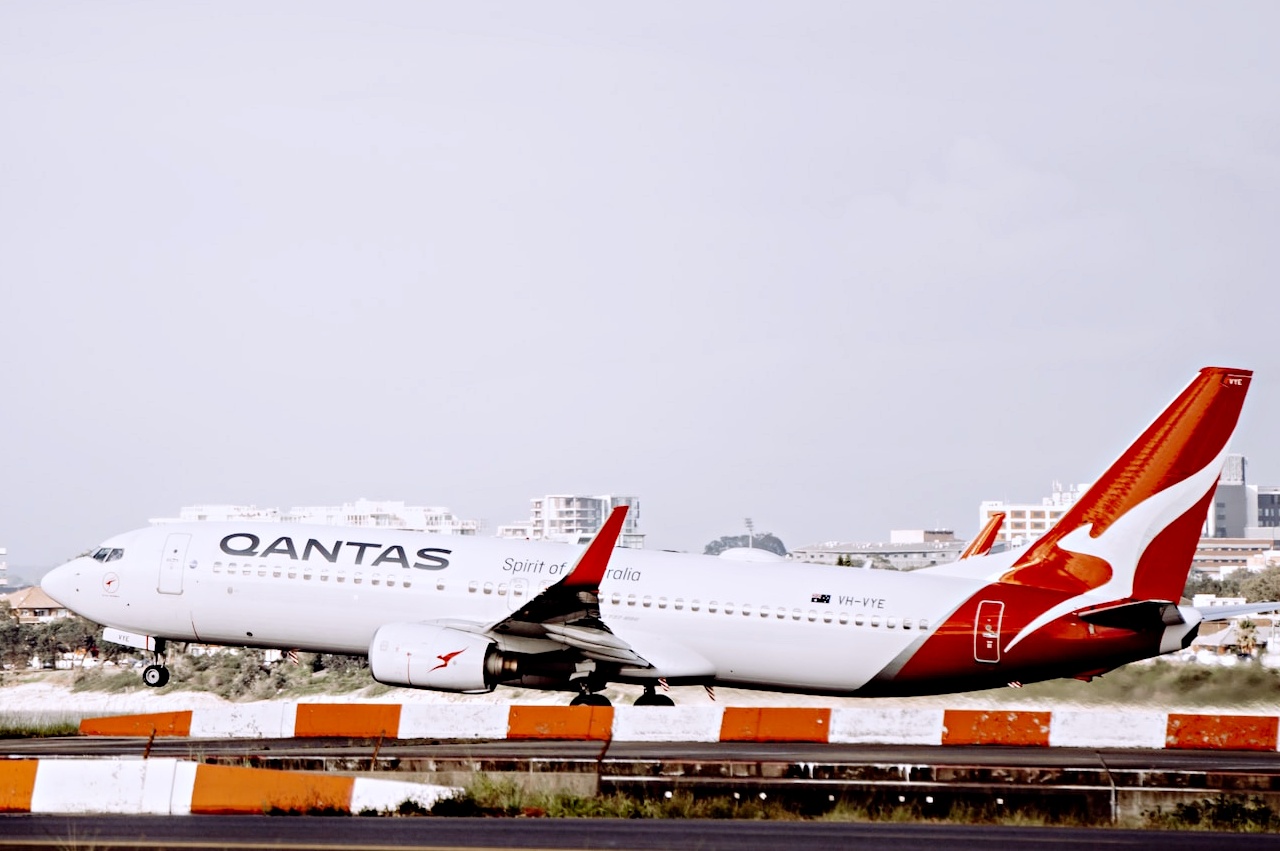
Shares of Qantas Airways tumbled more than 10% on Monday, hitting their lowest level in 10 months after the United States and Israel carried out large-scale military strikes on Iran over the weekend. The escalating Middle East conflict triggered a sharp surge in global oil prices, sparking heavy losses across airline stocks and rattling investors in the aviation sector.
Qantas shares dropped as much as 10.4% to A$8.92 in early Australian trading, marking their weakest level since May 2, 2025. The stock later recovered slightly but was still down 5.8% by 2345 GMT. Rising fuel costs are a major concern for airlines, and the spike in crude oil prices following the Iran strikes intensified fears of higher operating expenses and squeezed profit margins for global carriers.
The broader airline industry also faced mounting pressure as air travel disruption spread across key international hubs. Ongoing military tensions forced the temporary closure of major Middle Eastern airports, including Dubai and Doha, for a second consecutive day. The shutdown stranded tens of thousands of passengers worldwide and led to the cancellation and diversion of thousands of flights, adding to global aviation turmoil.
Virgin Australia, the country’s second-largest airline, saw its shares fall as much as 3.5% to A$3.03, reaching their lowest level in nearly a month before rebounding to trade 1.9% higher. Meanwhile, Air New Zealand shares slipped 0.5% to NZ$0.553, touching their lowest point since April 7, 2025, before stabilizing.
Investors remain cautious as geopolitical tensions in the Middle East continue to fuel volatility in energy markets and airline stocks. With jet fuel prices closely tied to crude oil costs, further escalation in the Iran conflict could sustain pressure on aviation shares and disrupt global travel demand in the coming weeks.













