


 Russian Missile and Drone Attack on Kyiv Kills Two, Damages Maternity Hospital
  OpenAI Agent Breaches Australia Medicare Data Portal
  EU Defence Build-Up Too Slow for 2030 Russia Readiness Goal
  Europe Warns Russia Is Escalating Hybrid Attacks Across NATO
  Kremlin Says No Decision Yet on Putin-Trump December Summit
  Sudan Rejects US Legitimacy Remarks, Defends Sovereignty
  US Officials Split Over Response to Israeli West Bank Settlements
  Taiwan Thanks US for Support Ahead of Trump-Xi Summit
  Netanyahu Defends Israel at UN as Delegates Stage Walkout
  NATO Boosts Intelligence Sharing Amid Russia Hybrid Threats
  US Backs Musk in Fight Against EU’s €120 Million X Fine
  Ghana Says Western Support Growing for Slave Trade Reparations
  Mexico-US Trade Talks Delayed to October as Tariff Negotiations Continue
  South Korea, US Discuss Warship Building Cooperation
  Gaza Faces Evacuation Crisis as War-Damaged Buildings Risk Collapse
  North Korea Warns South Korea Over US-Led Defense Role
  Netanyahu Takes Aim at Mamdani as Israel Election Nears


 Add as a preferred source on Google
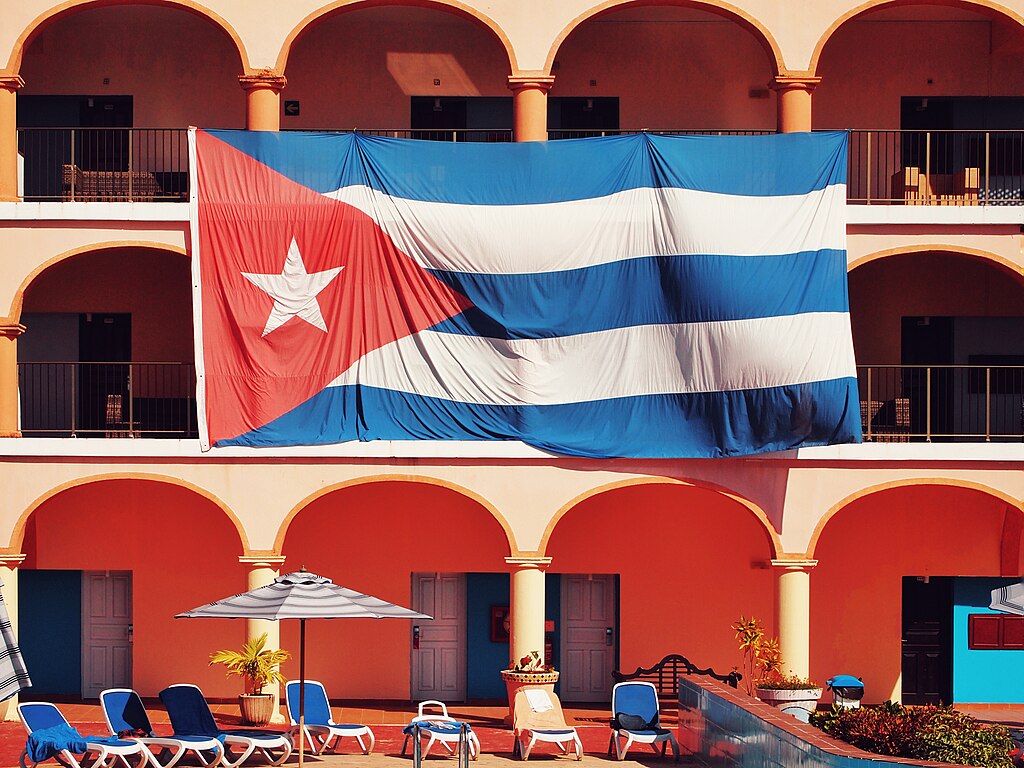
Cubans in Havana are responding with cautious hope — and deep skepticism — after U.S. President Donald Trump made a series of contradictory remarks about the future of U.S.-Cuba relations. While some Cubans welcome the possibility of diplomatic negotiations, many doubt Trump's reliability as a negotiating partner.
Trump recently suggested he could "do anything I want with Cuba," sparking concern among ordinary citizens. State worker Marianela Alvarez, 50, summed up the sentiment of many: she simply wants the U.S. to leave Cuba alone. Trump has also floated the idea of a "friendly takeover" of Cuba — only to walk back the word "friendly" shortly after — adding to the confusion surrounding Washington's true intentions toward Havana.
Both governments have confirmed that talks are currently underway, though the backdrop remains tense. The United States has imposed an oil blockade on Cuba following the capture of Venezuelan President Nicolás Maduro, who had been one of Cuba's most critical economic allies. The energy crisis has been so severe that repeated power grid failures have left many Cubans without electricity and unaware of Trump's latest statements.
Despite state media promoting military preparedness through its "War of the Entire People" defense strategy, civilians on the ground say they are not ready for armed conflict. Luis Enrique Garcia, 55, pointed to Venezuela's acting president Delcy Rodriguez as a model, noting her preference for dialogue over confrontation. Meanwhile, 26-year-old Amed Echenique expressed cautious support for bilateral talks but admitted he does not trust Trump personally.
Many Cubans continue to blame the United States for their country's economic hardships, pointing to over six decades of crippling sanctions. Barbara Rodriguez, 58, voiced frustration over the intensifying fuel blockade, arguing that no nation can progress under such conditions. The path forward, most agree, depends on whether genuine, sustained diplomacy can replace the current cycle of threats and uncertainty.







