


 South Korea Warns Ukraine Over North Korean POW Dispute
  India-US Trade Deal Talks Hit Plateau, Sitharaman Says
  Tsai Ing-wen to Visit US for Stanford Security Conference
  Ukraine Faces $56 Billion Budget Gap as War Costs Soar
  Trump Says Iran War Could End Soon After Midterms
  G20 Divided Over US Push to Curb Industrial Overcapacity
  OPEC+ Keeps November Oil Output Targets Steady
  UK Warned Over Growing Reliance on US Cloud Providers
  Merz to Meet ECB Frontrunners Knot and De Cos
  California Woman Arrested Over Alleged Spying on Taiwan President’s Son
  Brazil Presidential Debate Canceled as Lula, Bolsonaro Skip Event
  Flavio Bolsonaro, Lula Head to Brazil Presidential Runoff
  Yemen Launches Major Offensive to Retake Houthi-Held Areas
  Ukraine to Intensify Strikes on Russian Oil Refineries
  Paraguay Opposition Wins Key Mayor Races in Blow to Colorado Party
  Japan Protests to US After Marine Arrested in Okinawa Murder Case
  Nicaragua Withdraws From Central American Parliament


 Add as a preferred source on Google
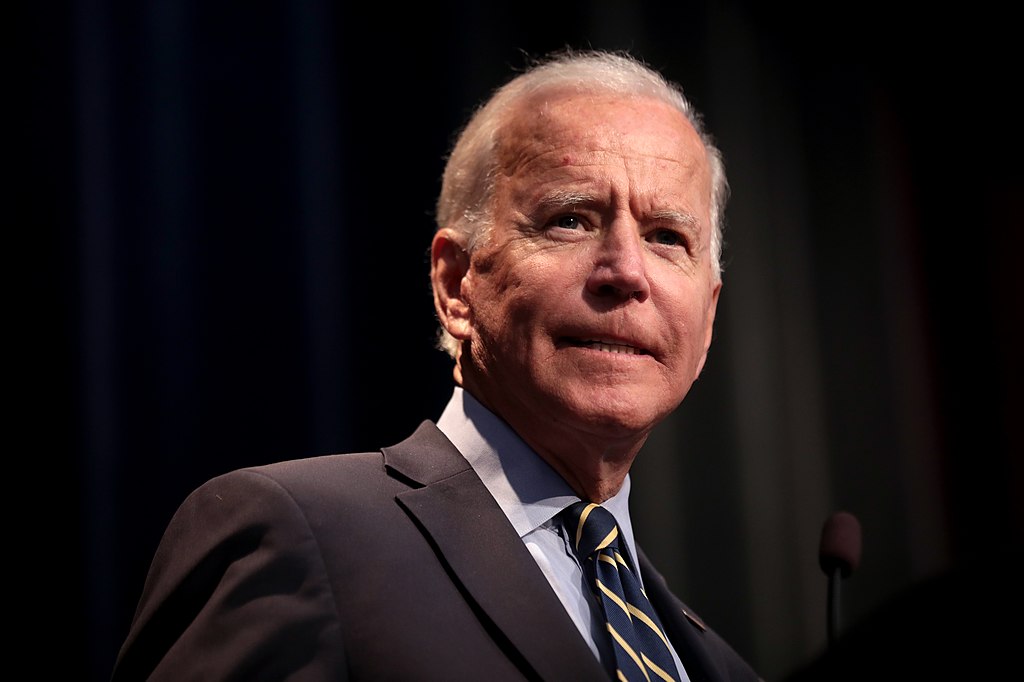
The Eighth Circuit Court of Appeals has blocked the president’s student debt relief plan, which aimed to cancel a substantial portion of millions of Americans' student loan debt. The ruling has quickly become a flashpoint in the ongoing national debate over the future of student debt, dividing the public and political leaders along familiar lines.
After months of anticipation and legal wrangling, the court's decision has left many borrowers in limbo, uncertain about whether they will see any relief from the crushing debt burdens that have become a defining issue for a generation of Americans. The Biden administration’s plan, which promised to cancel up to $20,000 in student debt per borrower, was heralded by supporters as a much-needed reprieve for those struggling under the weight of educational loans. However, opponents of the plan have consistently argued that it overreaches the administration's authority and unfairly burdens taxpayers.
The ruling by the Eighth Circuit Court has been met with a mixed response. Supporters of the court’s decision view it as a victory for the rule of law and fiscal responsibility. They argue that the executive branch does not have the power to cancel debt on such a massive scale unilaterally and that doing so would set a dangerous precedent. For these critics, the court’s intervention is a necessary check on presidential authority and a protection for taxpayers who would ultimately bear the cost of the proposed relief.
On the other side of the debate, advocates for student debt relief have condemned the court’s decision as a significant blow to millions of borrowers struggling to make ends meet. They argue that student debt is a national crisis that disproportionately affects lower-income and minority borrowers and that the Biden administration’s plan is a crucial step toward addressing this inequality. The court’s ruling, they say, only exacerbates the financial challenges millions of Americans face and delays the long-overdue relief that could help boost the economy by freeing up disposable income.
The legal battle over student debt relief is far from over. The Biden administration is expected to appeal the Eighth Circuit’s decision, potentially bringing the case before the Supreme Court. If the case does reach the nation’s highest court, it could set a precedent with far-reaching implications for both executive power and the future of student loan policies in the United States.
As the debate intensifies, student debt remains a deeply polarizing topic in American politics. The court’s decision has not only thrown the future of Biden’s relief plan into uncertainty but also reignited broader discussions about the role of government in addressing economic inequality and the fairness of placing the burden of higher education costs on individual borrowers.







