


 Saudi Arabia Shuts East-West Oil Pipeline After Drone Attack
  Canada Unveils Bill to Fast-Track Major Resource Projects
  Trump, Xi Focus on Trade and AI at White House Summit
  Judge Orders Trump to Restore White House Access for CNN, MS NOW and Politico
  Taiwan Thanks US for Support Ahead of Trump-Xi Summit
  France Defends Netanyahu Airspace Clearance Despite ICC Warrant
  Ukrainian Drone Attacks Hit Russian Regions, Injuring at Least 12
  China Reviews Broadcom Switch Use in State Data Centres
  EU Defence Build-Up Too Slow for 2030 Russia Readiness Goal
  FAA Allows Boeing to Sell 35 More 777F Freighters Beyond 2028
  Pezeshkian Says US Must Choose When Iran War Ends
  Abbas Reaffirms November 28 Palestinian Elections
  Synthetic data could ease people’s concerns about privacy breaches. But who gets to create it?
  FDA Weighs Safety Standards for Psychedelic Therapies
  Netanyahu Takes Aim at Mamdani as Israel Election Nears
  Najib Razak Seeks Stay of 15-Year 1MDB Prison Sentence
  China Tightens Fentanyl Rules Ahead of Trump-Xi Summit


 Add as a preferred source on Google
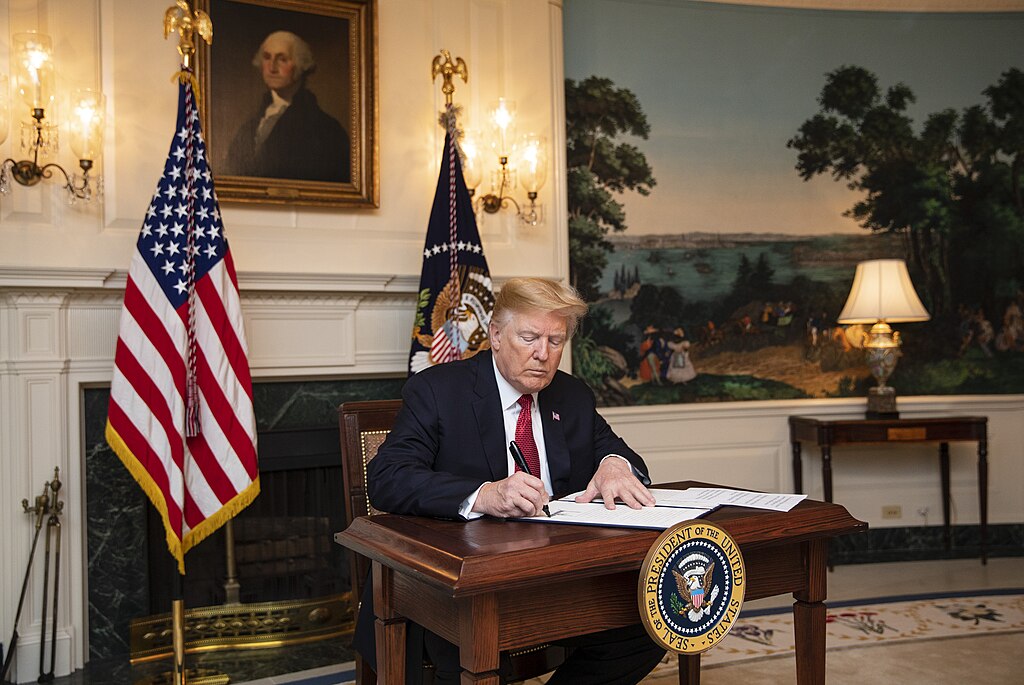
U.S. President Donald Trump signed an executive order on Monday aimed at slashing prescription drug prices by aligning them with international rates. The move directs pharmaceutical companies to meet government-set pricing targets within 30 days or face further regulatory action, including possible tariffs and rulemaking to enforce price reductions.
Trump cited a personal anecdote of a weight-loss drug costing $88 in London versus $1,300 in the U.S. as a motivator. The U.S. continues to pay the highest prices for medications globally—nearly three times more than other developed nations. Trump emphasized that Americans should pay no more than patients in other countries, echoing his long-standing campaign promise to fight inflation and reduce consumer costs.
The order proposes allowing direct-to-consumer drug imports and explores export restrictions for pharmaceutical ingredients contributing to domestic price gaps. It also instructs the Federal Trade Commission to crack down on anti-competitive practices in the industry, such as pay-for-delay deals that prevent cheaper generics from entering the market.
Despite initial investor concerns, the pharmaceutical sector rebounded, with shares of major drugmakers like Pfizer, Merck, and Gilead Sciences climbing after the order’s announcement. Analysts and legal experts noted the plan lacks detailed implementation strategies and is likely to face legal challenges over its scope, particularly regarding drug imports and international price benchmarking.
Industry trade group PhRMA criticized the move, calling it a threat to innovation and warning it could reduce investment in new treatments. Still, the administration insists the order is a bold step toward fair drug pricing and consumer relief.
As legal battles loom, the effectiveness of the order will hinge on its enforcement—and whether it survives scrutiny from both courts and powerful industry players.







