


 US Bans Canadian Alcohol, Motorcycles as Trade War Escalates
  US Northeast Airports Resume Operations After Telecom Outage Disrupts Thousands of Flights
  FDA Names Permanent Drug and Biologics Center Chiefs
  Najib Razak Seeks Stay of 15-Year 1MDB Prison Sentence
  FCC Approves Foreign Investment in $110B Paramount-Warner Bros. Deal
  Pentagon Restarts Testosterone Testing for US Troops
  North Korea Rejects Nuclear Test Warning, Calls Nuclear Status Irreversible
  Netanyahu Takes Aim at Mamdani as Israel Election Nears
  China Reviews Broadcom Switch Use in State Data Centres
  Sudan Rejects US Legitimacy Remarks, Defends Sovereignty
  Judge Blocks Trump Rule Limiting Foreign Student Visas
  Trump Scales Back Endangered Species Act Protections
  North Korea Warns South Korea Over US-Led Defense Role
  ICE Agent Arrested in Minneapolis Over Venezuelan Man Shooting
  Judge Orders Trump to Restore White House Access for CNN, MS NOW and Politico


 Add as a preferred source on Google
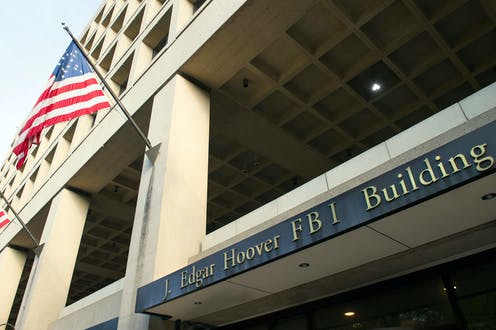
In a major policy shift, FBI agents have been ordered to dedicate roughly one-third of their time to immigration enforcement, scaling back their traditional focus on white-collar crime. According to sources familiar with the matter, this directive aligns with President Donald Trump’s intensified immigration crackdown and reflects broader changes in Justice Department priorities under Attorney General Pam Bondi.
The FBI's new enforcement direction was delivered in internal meetings on Monday, the same day Matthew Galeotti, head of the DOJ’s Criminal Division, released new prosecutorial guidelines. These instructions limit the scope and impact of white-collar investigations and urge prosecutors to assess whether federal criminal charges are truly necessary for corporate misconduct. In many cases, civil or administrative actions may suffice.
Historically, white-collar crime—including public corruption, foreign bribery, and kleptocracy—was a high priority. However, the DOJ now plans to focus more narrowly on specific cases like health care fraud, customs violations, elder securities fraud, complex money laundering (including Chinese Money Laundering Organizations), and financial enablers of terrorism and organized crime.
Galeotti also announced updates to the DOJ’s whistleblower award pilot program, designed to encourage tips that lead to asset forfeitures tied to immigration violations, sanctions breaches, and terrorism support.
The memo signals a strategic move to reduce the use of corporate monitors unless absolutely necessary, favoring internal compliance programs over external oversight.
While it's unclear how many FBI field offices will be affected, the changes reflect a broader reallocation of federal law enforcement resources away from financial crime and toward immigration-related priorities. Critics warn this shift could weaken corporate accountability, while supporters argue it enhances national security and enforcement efficiency.







