


 Trump Lifts 25% Tariff on Indian Goods in Strategic U.S.–India Trade and Energy Deal
  U.S. Lawmakers to Review Unredacted Jeffrey Epstein DOJ Files Starting Monday
  Global PC Makers Eye Chinese Memory Chip Suppliers Amid Ongoing Supply Crunch
  Google Cloud and Liberty Global Forge Strategic AI Partnership to Transform European Telecom Services
  Amazon Stock Rebounds After Earnings as $200B Capex Plan Sparks AI Spending Debate
  US Pushes Ukraine-Russia Peace Talks Before Summer Amid Escalating Attacks
  OpenAI Expands Enterprise AI Strategy With Major Hiring Push Ahead of New Business Offering
  SpaceX Reports $8 Billion Profit as IPO Plans and Starlink Growth Fuel Valuation Buzz
  Trump Allegedly Sought Airport, Penn Station Renaming in Exchange for Hudson River Tunnel Funding
  Ohio Man Indicted for Alleged Threat Against Vice President JD Vance, Faces Additional Federal Charges
  India–U.S. Interim Trade Pact Cuts Auto Tariffs but Leaves Tesla Out
  New York Legalizes Medical Aid in Dying for Terminally Ill Patients
  U.S. Announces Additional $6 Million in Humanitarian Aid to Cuba Amid Oil Sanctions and Fuel Shortages
  SpaceX Prioritizes Moon Mission Before Mars as Starship Development Accelerates
  Jack Lang Resigns as Head of Arab World Institute Amid Epstein Controversy
  South Korea Assures U.S. on Trade Deal Commitments Amid Tariff Concerns


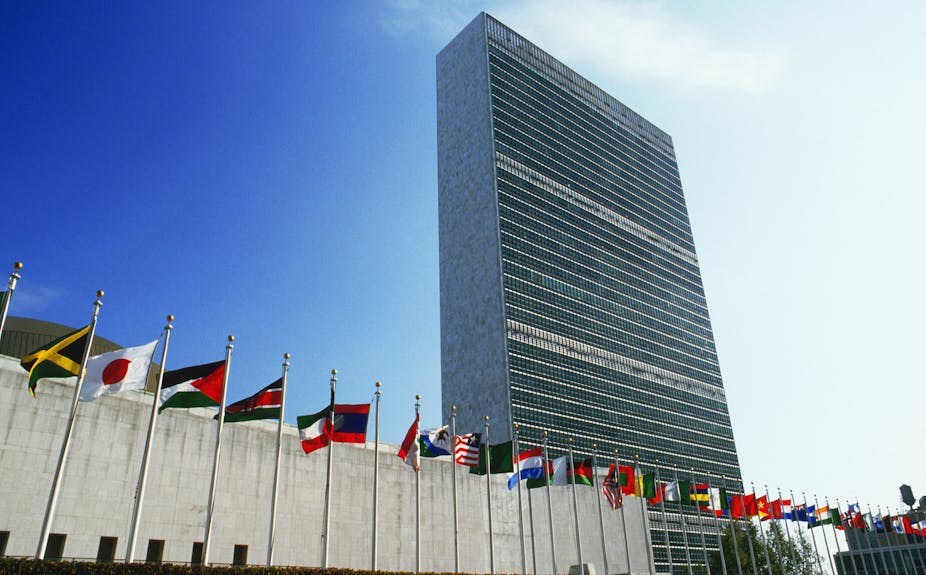
Nations are convening at the United Nations to revive efforts to regulate autonomous weapons powered by artificial intelligence, amid growing concern over their rapid use in global conflicts like Ukraine and Gaza. The urgency stems from the accelerating deployment of AI-assisted weapon systems and the lack of binding international regulations to control them.
Despite discussions under the Convention on Conventional Weapons (CCW) since 2014, no global treaty currently restricts fully autonomous systems operating without meaningful human control. U.N. Secretary-General António Guterres has called for clear rules by 2026, but divisions among key players—particularly the U.S., China, Russia, and India—are delaying consensus.
Advocates warn that without swift regulation, autonomous weapons could trigger a dangerous arms race and pose serious human rights risks. Amnesty International and Human Rights Watch emphasize the ethical and legal concerns, including accountability for civilian harm. Campaigners argue that the decision to take a human life should never be left to machines.
The U.S. maintains that current international laws are sufficient and that AI weapons may reduce civilian casualties. However, experts from the Future of Life Institute have identified over 200 AI-driven weapon systems in use globally, including Russia’s Veter kamikaze drones and Israel’s data-driven targeting systems in Gaza.
Monday’s UN General Assembly meeting marks the first dedicated to autonomous weapons, aiming to increase pressure on resistant nations and address broader issues like use by non-state actors. While the talks are non-binding, they are seen as a critical step toward a global treaty that could prevent future misuse of lethal AI technologies.
As the race for AI dominance intensifies, experts stress that time is running out to establish international guardrails and protect humanity from the unintended consequences of unchecked military innovation.













