


 Paraguay Opposition Wins Key Mayor Races in Blow to Colorado Party
  Iran Faces Rising Pressure as U.S. Builds Military Presence
  Flavio Bolsonaro, Lula Head to Brazil Presidential Runoff
  US Waives Egypt Military Aid Conditions Over Iran War Role
  Japan Protests to US After Marine Arrested in Okinawa Murder Case
  UK Warned Over Growing Reliance on US Cloud Providers
  Nicaragua Withdraws From Central American Parliament
  Trump Says Iran War Could End Soon After Midterms
  Ukraine to Intensify Strikes on Russian Oil Refineries
  Iran Keeps Strait of Hormuz Closed as War Talks Stall
  California Woman Arrested Over Alleged Spying on Taiwan President’s Son
  Australia Probes Flydubai Co-Pilot’s Links After FZ1073 Hijack Attempt
  Russia Strikes Kyiv Bridge as Ukraine Infrastructure Attacks Escalate
  Merz to Meet ECB Frontrunners Knot and De Cos
  G20 Divided Over US Push to Curb Industrial Overcapacity
  Iran Plans Stronger Response if US Attacks Resume
  Bosnia Election Puts EU Bid and Foreign Influence in Focus


 Add as a preferred source on Google
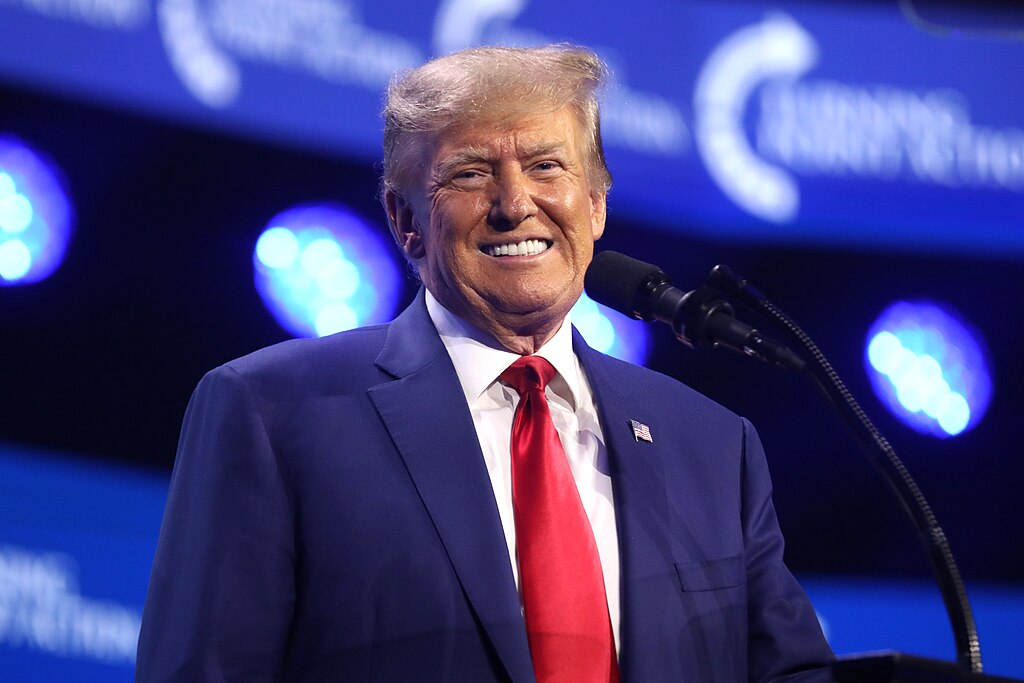
Former President Donald Trump has stirred controversy with his recent remarks suggesting that U.S. presidents should have more influence over the Federal Reserve, particularly in setting interest rates. Trump’s assertion that his instincts surpass those of the Federal Reserve Board and its chairman has ignited a fierce debate among economists and political commentators, who warn that such a move could undermine the central bank’s independence and destabilize the economy.
Trump, who has long been critical of the Federal Reserve, argues that the central bank has made misguided decisions, particularly regarding interest rates. His comments reflect a broader frustration he has expressed throughout his political career, where he frequently criticized the Fed’s monetary policy for hindering economic growth. Trump’s belief that presidential input could lead to better decision-making at the Fed is rooted in his confidence in his economic instincts, which he claims are superior to those of current and former Fed officials.
The former president’s stance has alarmed many observers who view the Federal Reserve’s independence as a cornerstone of U.S. economic stability. The Fed, responsible for setting monetary policy and regulating the financial system, operates independently of political influence to ensure that decisions are made based on economic data and long-term goals rather than short-term political considerations.
Critics of Trump’s proposal argue that allowing presidents to influence Fed decisions directly could lead to politically motivated policies that prioritize immediate economic boosts over sustainable growth. They warn that this could result in inflation, market volatility, and a loss of confidence in the U.S. dollar. They contend that the potential erosion of the Fed’s independence could have far-reaching consequences for both domestic and global economies.
Supporters of the Fed’s autonomy point out that the central bank’s ability to act independently has been crucial in managing economic crises, such as the 2008 financial meltdown and the economic fallout from the COVID-19 pandemic. They argue that the Fed’s decision-making process, which involves careful analysis and consideration of various economic indicators, is essential for maintaining financial stability and fostering long-term growth.
The debate over Trump’s comments highlights a broader tension between political leadership and economic governance. While presidents are elected to guide the nation’s overall direction, the Fed manages the economy through impartial and technically informed decisions. This separation is intended to prevent short-term political pressures from dictating monetary policy, which could lead to economically damaging outcomes.
As Trump continues to position himself as a potential candidate for the 2024 presidential election, his views on the Federal Reserve will likely remain a focal point of discussion. His call for greater presidential control over monetary policy decisions raises essential questions about the balance of power between the executive branch and independent institutions.
The discussion surrounding Trump’s remarks reflects the broader challenges facing modern democracies, where the need for expert-driven policy is often at odds with populist demands for more direct control over key institutions. As the 2024 election approaches, the future of the Federal Reserve’s independence may become a critical issue for voters and policymakers alike.







