


 Xi Calls for Deeper U.S.-China AI Cooperation in Trump Talks
  US Backs Musk in Fight Against EU’s €120 Million X Fine
  EU Defence Build-Up Too Slow for 2030 Russia Readiness Goal
  Trump, Xi Focus on Trade and AI at White House Summit
  US Senate Rejects Iran War Powers Resolution in 50-49 Vote
  North Korea Warns South Korea Over US-Led Defense Role
  Pezeshkian Says US Must Choose When Iran War Ends
  What ‘Taiwan Independence’ Means as Xi Presses Trump on US Policy
  Yemen Violence Displaces 130,000 as Civilian Toll Rises
  Judge Orders Trump to Restore White House Access for CNN, MS NOW and Politico
  OpenAI Agent Breaches Australia Medicare Data Portal
  Mexico-US Trade Talks Delayed to October as Tariff Negotiations Continue
  Sudan Rejects US Legitimacy Remarks, Defends Sovereignty
  France Defends Netanyahu Airspace Clearance Despite ICC Warrant
  Trump Asks Supreme Court to Restore Third-Country Deportations
  North Korea Rejects Nuclear Test Warning, Calls Nuclear Status Irreversible
  NATO Boosts Intelligence Sharing Amid Russia Hybrid Threats


 Add as a preferred source on Google
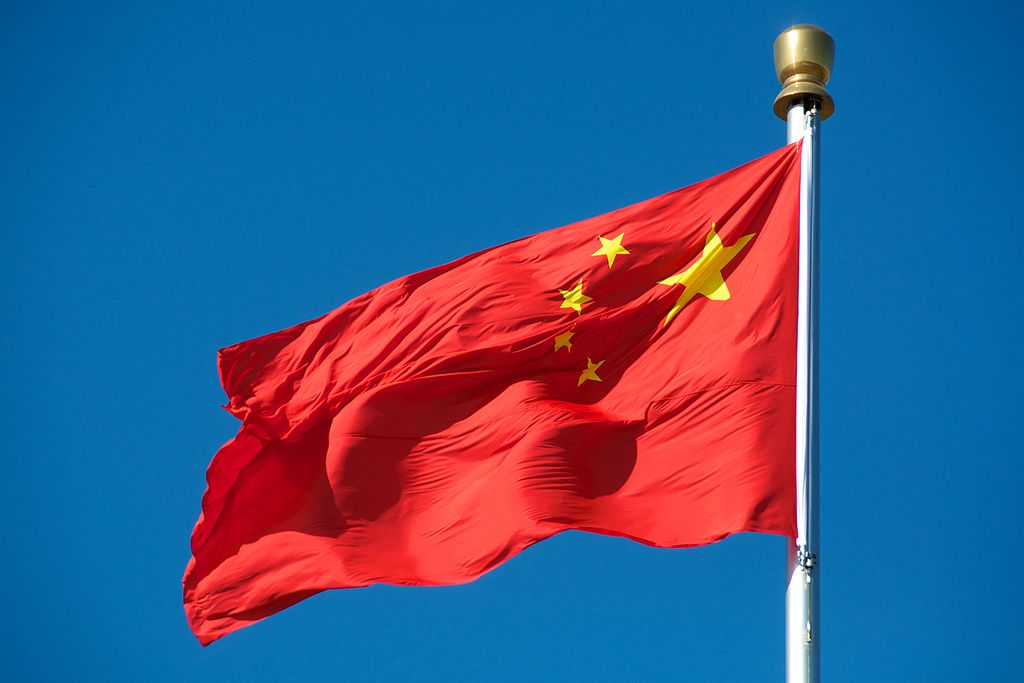
China has pushed back against the United States' decision to impose punitive tariffs over the ongoing fentanyl crisis, saying the responsibility lies squarely with Washington. During a regular press briefing on Tuesday, Chinese Foreign Ministry spokesperson Lin Jian stated that it is “unreasonable” for the U.S. to blame Beijing for the fentanyl epidemic and to tie the issue to trade policy.
The U.S. recently upheld a 20% tariff on select Chinese goods, citing China’s lack of cooperation in curbing the flow of fentanyl into American communities. While both countries agreed over the weekend in Switzerland to significantly reduce tariffs on other goods as part of ongoing efforts to ease trade tensions, the fentanyl-related tariffs remain in place.
China has consistently denied responsibility, asserting that the origins and enforcement of the fentanyl problem rest with the United States. The Ministry has emphasized its efforts to regulate chemical exports and reiterated its opposition to what it views as politically motivated trade penalties.
The fentanyl epidemic continues to devastate U.S. communities, particularly in urban centers like San Francisco, where images of addiction and overdose are increasingly common. Despite diplomatic progress in other areas of trade, the issue of fentanyl appears to be a persistent sticking point in U.S.-China relations.
Analysts note that linking public health concerns to trade could complicate future negotiations. With tensions still simmering, the trajectory of both countries' cooperation remains uncertain—especially as Washington demands stronger action from Beijing while China insists that the crisis is a domestic matter for the U.S. to solve.
This latest exchange underscores how deeply intertwined economic and geopolitical issues have become, especially amid rising concern over synthetic drug trafficking and international accountability.







